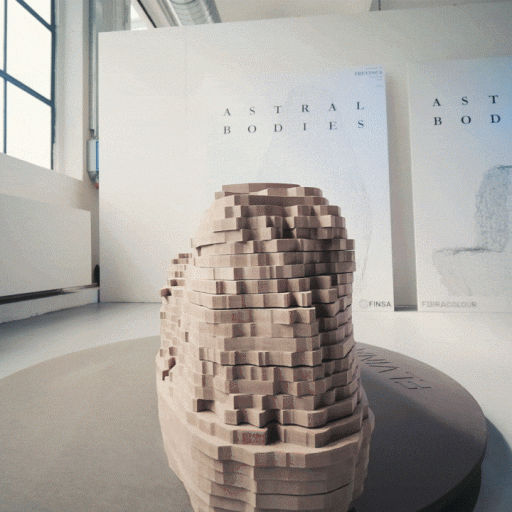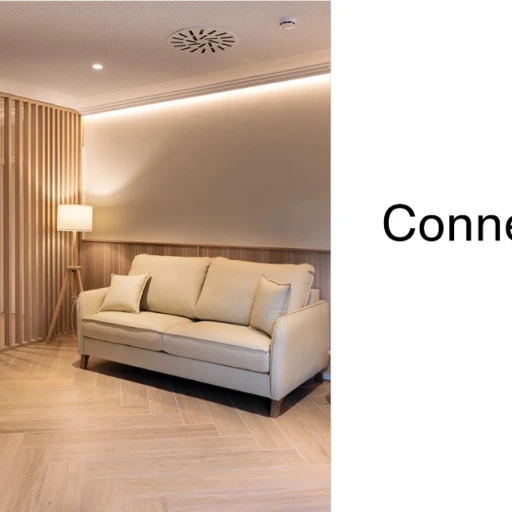
The Italian startup Mogu brings biomaterials from nature into the built environment, where sustainability, acoustics and aesthetics converge in a new material narrative. With their mycelium-based solutions -which are not manufactured, but cultivated- they have been present for more than three years in international projects for major retail firms such as L’Oreal, Nespresso or Reebok. We connect with…Serena Camere, designer at Mogu, about innovation, strategy and biomaterials.
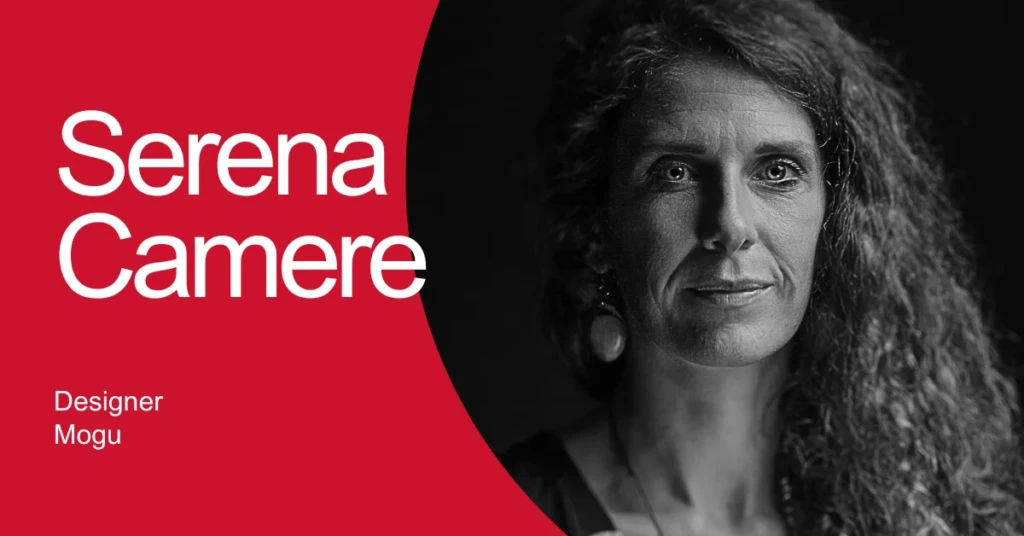 In recent years, there has been a growing interest in biomaterials within architecture and design. In your opinion, where do biodesign products stand today?
Bioengineered materials have moved beyond the realm of experimentation to become a reality in the market. In our case, we have been involved in international projects for more than three years, which confirms this paradigm shift.
We are witnessing a clear transition: biomaterials are moving from being a choice of pioneers to becoming part of a broader professional market. The conversation is no longer about whether they can be used, but about how to integrate them naturally into architectural practice.
At Mogu, we work to provide architects and interior designers with all the necessary tools so they can incorporate them into their projects. In this context, sustainability no longer implies sacrificing either aesthetic quality or performance.
Ver esta publicación en Instagram
Mogu works with mycelium as its main material. What advantages does this organism offer compared to other sustainable or recycled materials?
Mycelium introduces a different logic, which is that, instead of transforming matter through intensive industrial processes, it allows it to be cultivated. It is a biological growth system that combines energy efficiency and collaboration with a living organism.
Unlike many recycled materials, which require complex processes, mycelium grows naturally by combining agricultural waste, generating materials with consistent performance and a minimal environmental footprint.
At the same time, we continue to explore new resources. Incorporating by-products such as seashells into paving solutions expands the scope of this approach, reinforcing a vision where every waste product can become project material.
What obstacles have you had to overcome?
The real challenge has been to translate a biological process into a reliable industrial system. This step, from the laboratory to production, has required years of development and optimisation.
Today, we work with highly controlled processes that guarantee consistency and quality, allowing us to respond to the demands of real projects. This capability has been key to overcoming the prototype phase and positioning biomaterials as a viable solution in architecture and interior design on a global scale.
In architecture and interior design, regulations and certifications are essential. Which materials meet Mogu’s requirements?
Our materials meet the standards required in real projects; certified tests of reaction to fire, acoustic performance and indoor air quality, carried out in accredited laboratories.
Biomaterials must be integrated into existing regulatory frameworks to be truly adopted. Only in this way can they become part of everyday architecture, beyond experimental contexts.
Ver esta publicación en Instagram
Beyond sustainability, Mogu stands out for its acoustic qualities.
The acoustics are, without a doubt, one of its most outstanding qualities. The porous structure of the mycelium allows it to absorb sound particularly effectively, creating more comfortable spaces. Added to this is its lightness, stability and durability, essential qualities in intensive use environments.
Because, although sustainability is the starting point, it is performance that consolidates the choice of material in a project.
What role does the circular economy play in your work?
Circularity is the foundation of our work. We start with agricultural waste to create high-performance materials, but the approach covers the entire life cycle.
We design with both durability and end-of-life in mind, where materials can be recycled or biodegraded.
The important thing is that this model is not theoretical: it works on an industrial scale, demonstrating that the circular economy can be integrated into real production processes.
How do you balance innovation, performance, and visual language?
We understand aesthetics as an inseparable part of innovation. Our materials express their biological origin, but they do so through a contemporary and refined language.
We are not looking for an experimental aesthetic, but a presence that integrates naturally into the spaces. From this perspective, functionality, performance, sustainability, and aesthetics do not compete with each other, but rather enhance each other.
Ver esta publicación en Instagram
What does it mean to be part of Prohabit, the library of interior design solutions?
Prohabit connects us with architects and designers working on real projects, allowing us to bring our materials to specific contexts. It is an opportunity to demonstrate that biomaterials are already part of the present.
Collaborating with a consolidated industrial partner like Finsa, which is behind Prohabit, provides something essential, such as trust. In addition to access to distribution networks and technical knowledge, this type of alliance facilitates the integration of biomaterials into the market, standardising their use within the sector. It’s a way to combine experience and innovation to accelerate change.
What new horizons is Mogu exploring?
We are continuously expanding our solutions, improving performance, and exploring new applications. In parallel, biomaterials are being progressively integrated into conventional architecture.
Our goal is to offer viable biological alternatives to synthetic materials that have defined construction for decades, but which today require review from an environmental and health perspective.
How was your experience at the Salone del Mobile in Milan?
The Salone went very well. We have made interesting contacts, many of them with specific projects. In addition, we will be at Archiproducts all year round, so the space will function as a showroom for Mogu, where architecture and habitat professionals can see our new KANA panels, which we presented at this edition of Milano Design Week. This is an innovative proposal for fully customisable, bio-based acoustic panels, made with 50% hemp fibres and 50% biodegradable binder. It allows saving up to 1 ton of CO₂ emissions for every 200 m² installed.
Ver esta publicación en Instagram