Every three years, UNESCO and the International Union of Architects (UIA) select a city anywhere in the world and name it World Capital of Architecture, an initiative created to preserve architectural heritage in urban environments. In 2026, Barcelona holds the title, following in the footsteps of Copenhagen (2023) and Rio de Janeiro (2020). “Being World Capital of Architecture means placing Barcelona at the epicentre of the international architectural debate and transforming the city, for an entire year, into a space for reflection on how we want to inhabit, transform, and care for our cities”, reflects Ninoska Juan, coordinator of the World Capital of Architecture Technical Office at the Barcelona City Council.
The selected cities have three years from the announcement to prepare an ambitious program of activities, conferences, and exhibitions that focus on their architecture and urban planning, as well as the challenges facing the sector, cities in general, and the people who live in them. The idea, Juan confirms, is to leverage the Capital of Architecture designation not only to become a hub of events and debates that year, but also to try to leave a lasting legacy.
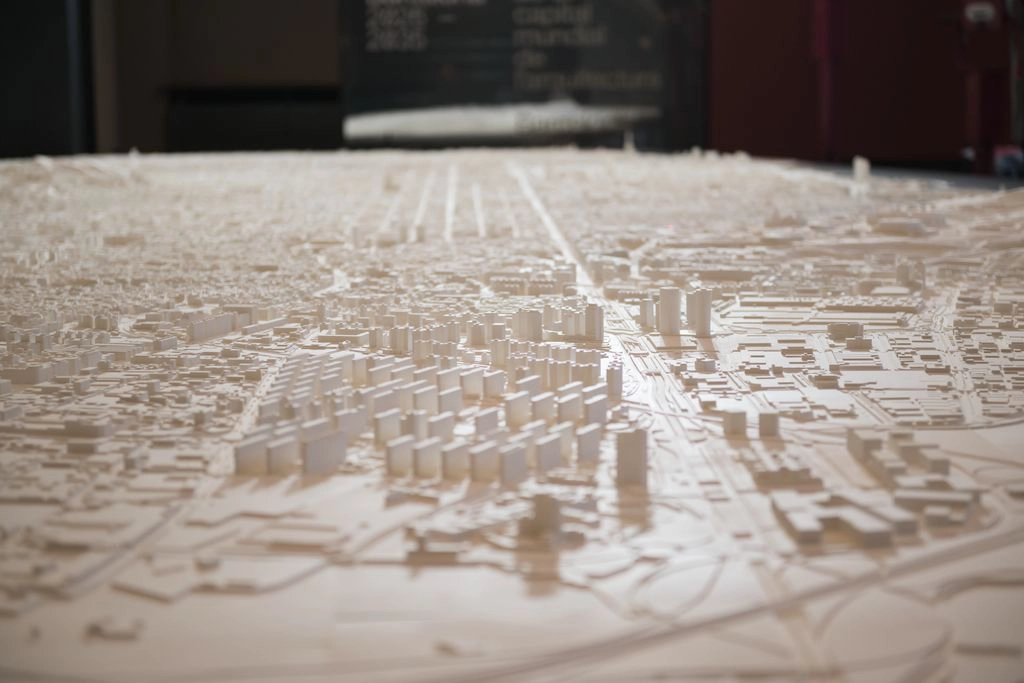
As an example, she highlights one of the most important projects, the House of Architecture (in the former headquarters of the Gustavo Gili publishing house), which was created “to establish itself as a permanent space for the dissemination of architectural culture”. Also remaining as a memento of this year will be a large-scale model of Barcelona made up of more than 1,200 pieces, which can be visited on-site, and the transformation of ten party walls —one in each district of the Catalan capital— into new green, habitable, and vibrant facades. “These are projects that embody one of the great aspirations of the European Capital of Architecture: that architecture contributes tangibly to improving the city and the lives of its people”, she explains.
Barcelona and its architecture in all its neighbourhoods
The fact that these transformed party walls are each located in a different district is an example of one of the objectives of the Technical Office in its programme design. For its year as Capital of Architecture, the aim was to ensure that all these events were not held in a single place or neighbourhood, but rather spread throughout the entire city. While the House of Architecture serves as the central headquarters and a point of reference, “the project has been conceived from the outset with a clear intention to decentralise”, affirms Ninoska Juan.
Thus, each district has its own capital city headquarters, featuring unique, little-known buildings that take centre stage, helping to highlight the value of local architectural heritage. “We want citizens to be able to participate close to home and for each neighbourhood to have the opportunity to explain its own reality, its challenges, and its transformations”, says the coordinator. In this way, being chosen as World Capital of Architecture not only means attracting more tourism, but also allows residents themselves to participate in and enjoy the event.
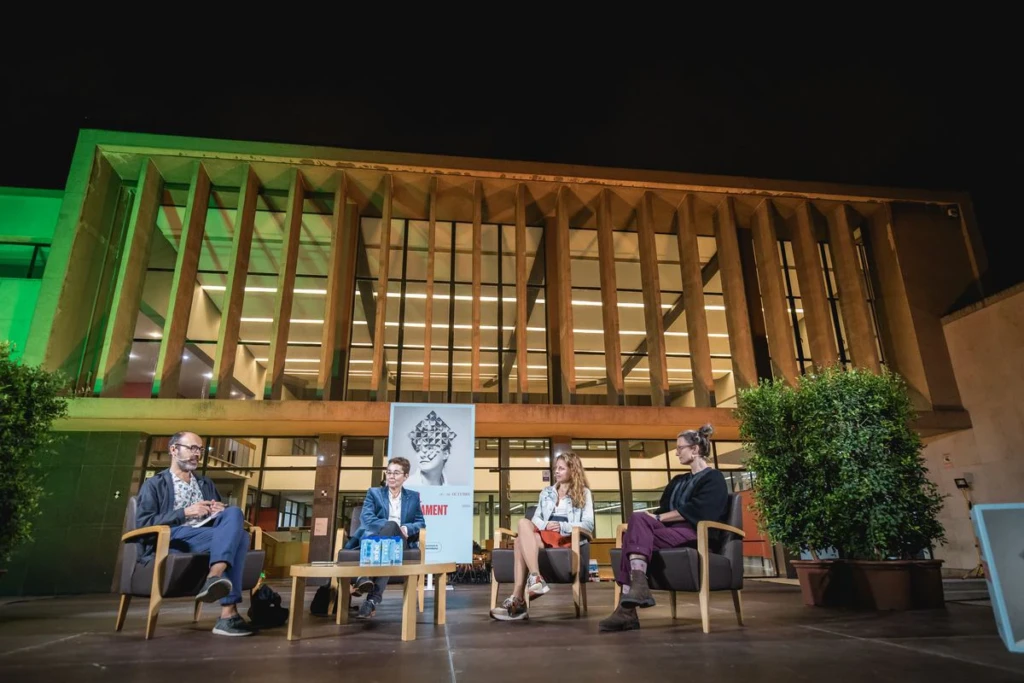
Evidence of this intention to also attract the local population is that some of the activities address current issues of social interest, such as access to housing or new ways of living. As examples, Juan mentions the exhibition Gestar y habitar (Conceiving and Inhabiting) at the Centre d’Art Tecla Sala in Hospitalet de Llobregat, a project that “analyses how social housing is conceived, promoted, built, and, above all, inhabited”, and the activities included in the ARQUITECTURA.COOP project, which reflects on “current challenges and explores how cooperatives are transforming architecture, rethinking working conditions, and addressing issues such as the right to housing, sustainability, and citizen participation”. At La Casa de la Arquitectura, visitors can also see exhibitions where urban planning and social issues intersect: Barcelona = (Diversity + Intensity) x Complexity, which speculates on the city’s future challenges; and Barcelona 2035. A city to live in, which shows the areas of transformation of the city.
Furthermore, this decentralisation goes beyond simply reaching all neighbourhoods and also seeks to extend beyond Barcelona. As Ninoska Juan points out, “the aim is for this Capital of Architecture designation not to be understood solely as a city-wide event, but as an opportunity to broaden the debate on architecture, urban planning, and landscape, and connect it with diverse realities”.
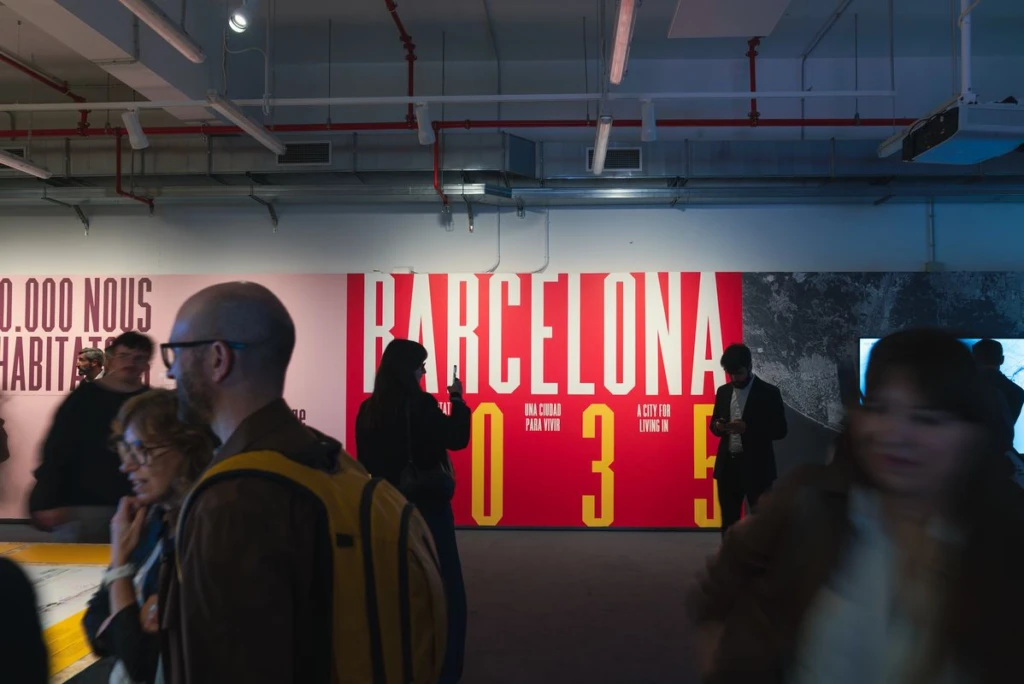
To move away from the most familiar architecture
Barcelona’s selection as World Architecture Capital 2026 is not surprising. After all, it is a city whose architectural heritage is widely recognised and admired. However, during this year of celebration, they also want to broaden their perspective: Barcelona is not just Gothic architecture, Gaudí’s buildings, or Cerdà’s Eixample; it is a much more diverse, complex, and contemporary city, Juan points out.
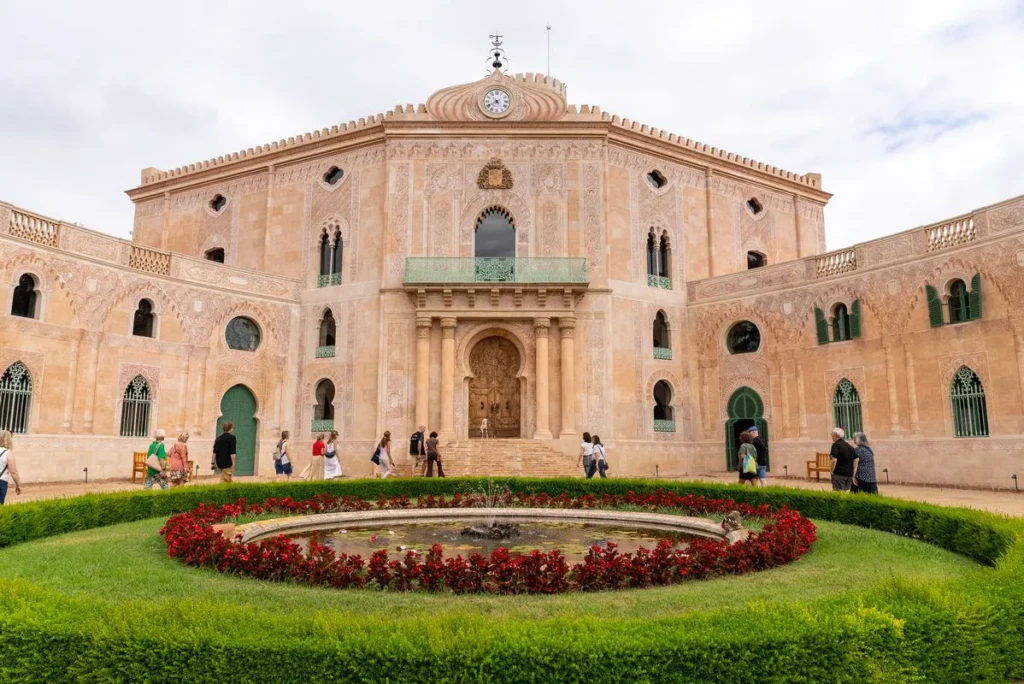
For this reason, the Capital of Architecture year’s programme invites visitors to discover lesser-known architectural landmarks, “from industrial heritage and social housing to markets, public facilities, green spaces, infrastructure, and urban transformations in different neighbourhoods”. As part of this initiative, little-known buildings have been opened to the public, such as the one housing the new House of Architecture, the Dipòsit del Rei Martí, and the Palau del Marquès d’Alfarràs or the former Enmasa Mercedes-Benz factory in Barcelona. “We are particularly interested in highlighting that everyday architecture that may not appear on postcards, but that conditions how we live, relate to each other and build community”, says Ninoska Juan.
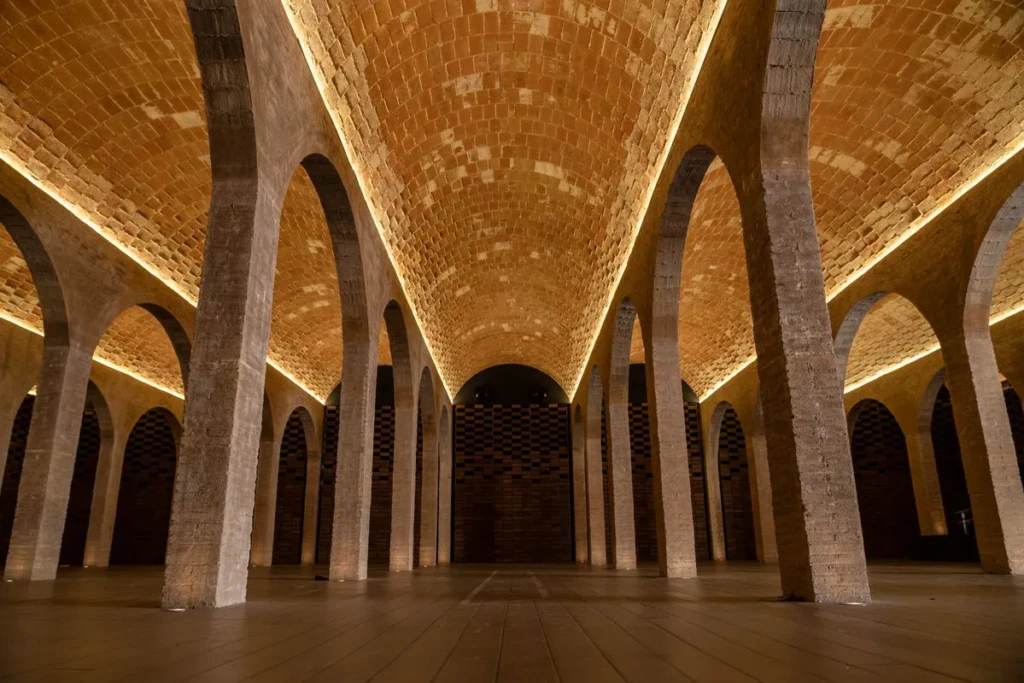
Martí Petit
This journey to the hidden wonders that lie in the shadow of the most famous buildings is appealing not only to residents, who will gain a deeper understanding and appreciation of the place they live in, but also to visitors. “The routes, tours, and activities allow you to venture off the beaten path, explore the ten districts, and discover different layers of the city, both historical and contemporary. The invitation is to look up, observe more closely, and understand that Barcelona’s architecture extends far beyond its iconic landmarks”, suggests Ninoska Juan. This shift in perspective also represents a small step towards combating overtourism, by dispersing tourists to less crowded areas.
Being the World Capital of Architecture means learning to see the city in a different way. “We want to invite citizens to understand how architecture, urban planning, and landscape influence our daily lives and to rediscover the spaces we inhabit from a more conscious, critical, and participatory perspective”, the coordinator concludes.