In architecture and interior design, timelessness can also be a form of sustainability. It does not replace the analysis of the origin, composition or life cycle of materials, but it does promote permanence. As in fashion with a white shirt, a well-cut coat or good leather shoes, there are finishes capable of acting as a wardrobe staple for the project. They are recognisable and versatile surfaces that do not renounce modernity; on the contrary, they allow it to appear in the lighting, furniture or details without compromising the whole.
The five proposals in this selection share a common thread: natural tones, perceptible tactility, and a contained expressiveness.
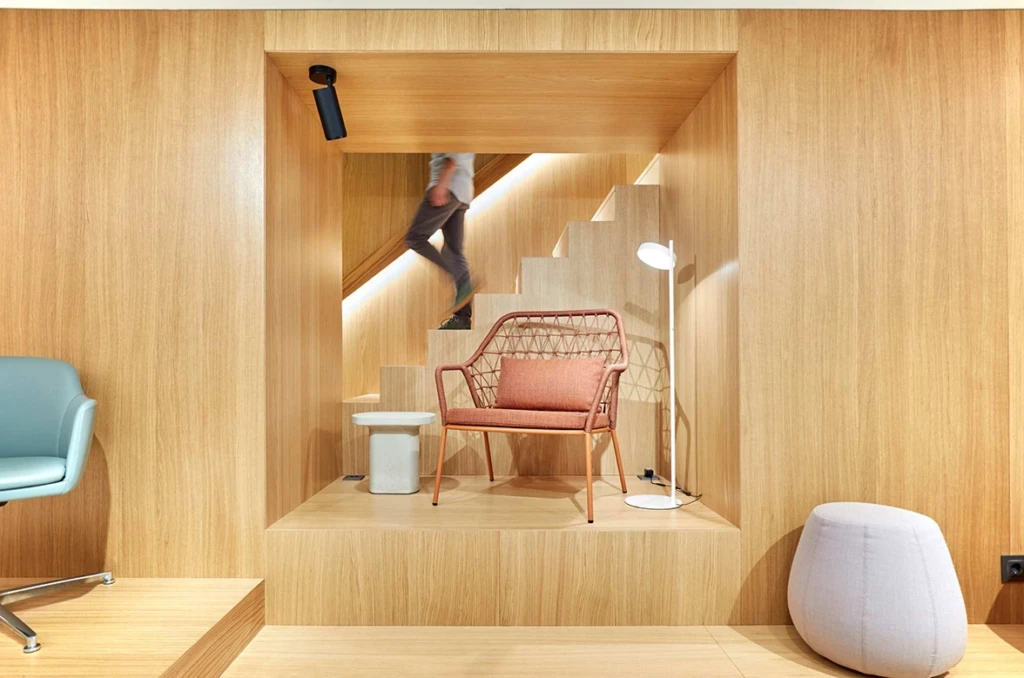
The luminous serenity of the light oak
Serenade Alba, from the Duo range, combines a light-toned mesh oak with the Yoku finish. This texture reproduces an oak pore with different depths and sizes, developed from samples of natural veneer. The result is a clean and linear surface, although far from flat uniformity.
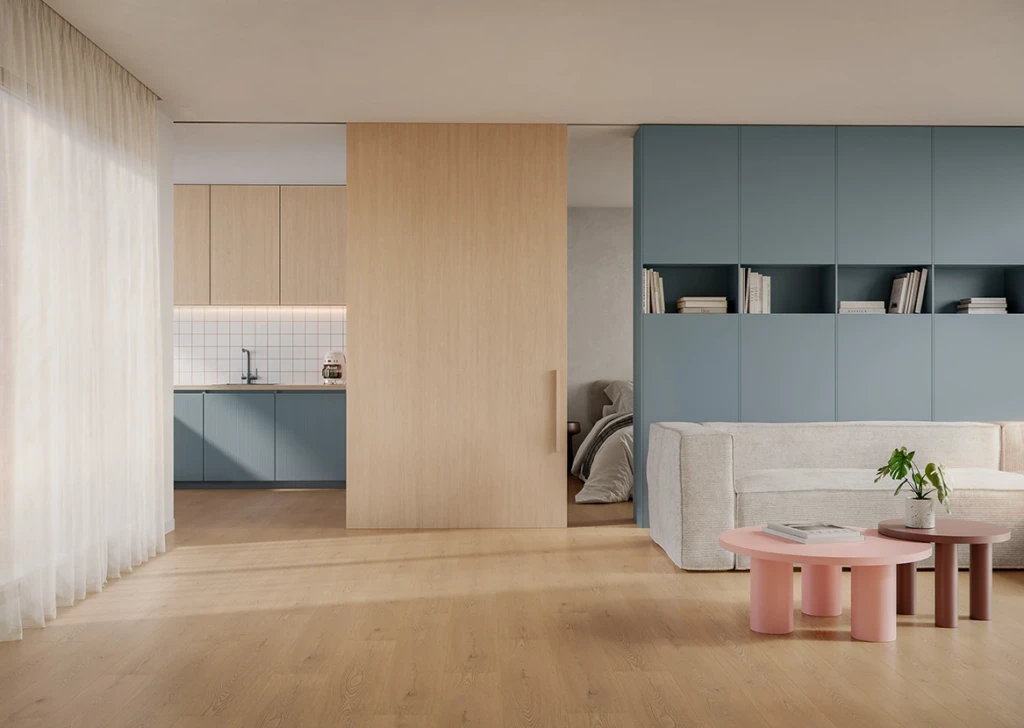
Its luminosity allows it to be used in large panelling, wardrobes or built-in furniture without losing warmth. As a range, Duo offers versatility and ease of application, with qualities such as easy cleaning, resistance to stains and disinfectant products, or antibacterial properties.
The sophisticated warmth of reddish woods
Also within Duo, Borneo Wood introduces an interpretation of teak in a reddish tone. The Etna finish, with its characteristic three-dimensional, pickled pore effect, reinforces its depth and prevents the design from being reduced to a superficial image.
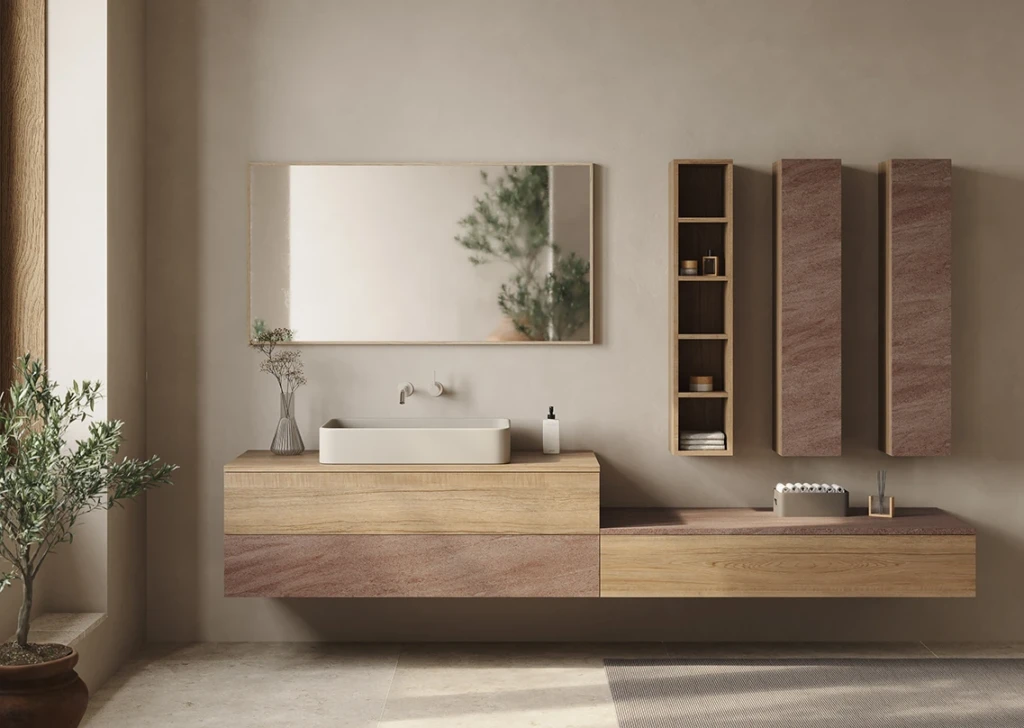
Its timeless value lies in recovering a chromatic family present in interiors of different eras and translating it into a contemporary language. Against the predominance of light oak, Borneo Wood can work as a counterpoint in kitchens, furniture or wall coverings, especially alongside light stones, raw textiles and dark metals.
The tactile realism of the synchronised pore
Saba Praliné belongs to Studio, a range geared towards surfaces with greater tactile and visual richness. Its Bolero finish synchronises the texture with the grain pattern -the so-called register pore- and achieves a particularly marked depth.
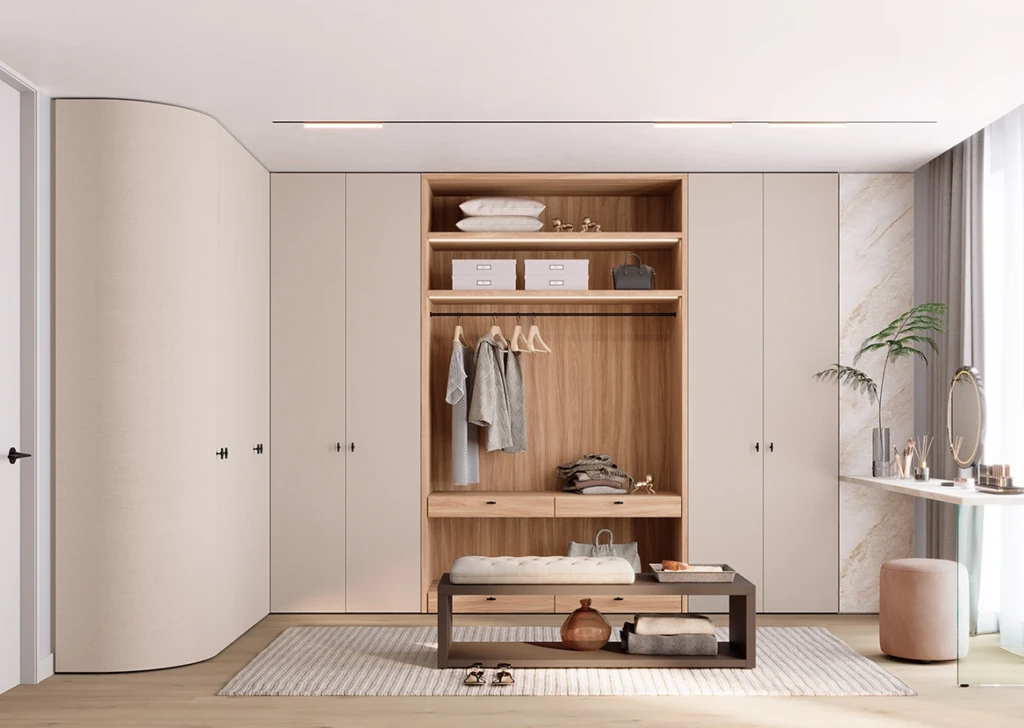
The design alternates half cathedrals with mesh areas in a medium and warm tone. Despite the relief, the feel remains soft and silky, close to that of a natural wood brushed with open pores. This correspondence between image and texture is especially effective in furniture fronts and large-format panelling. Studio combines this sensory dimension with features such as easy cleaning, resistance to stains and disinfectant products, or antibacterial properties.
The discreet durability of ultra-matte
We move away from the wood look with Cocoa, from the Technical Matt range, which offers a luminous greyish brown that can be perceived as beige or grey depending on the materials that accompany it. This chromatic ambiguity expands its combination possibilities and makes it a less predictable neutral.
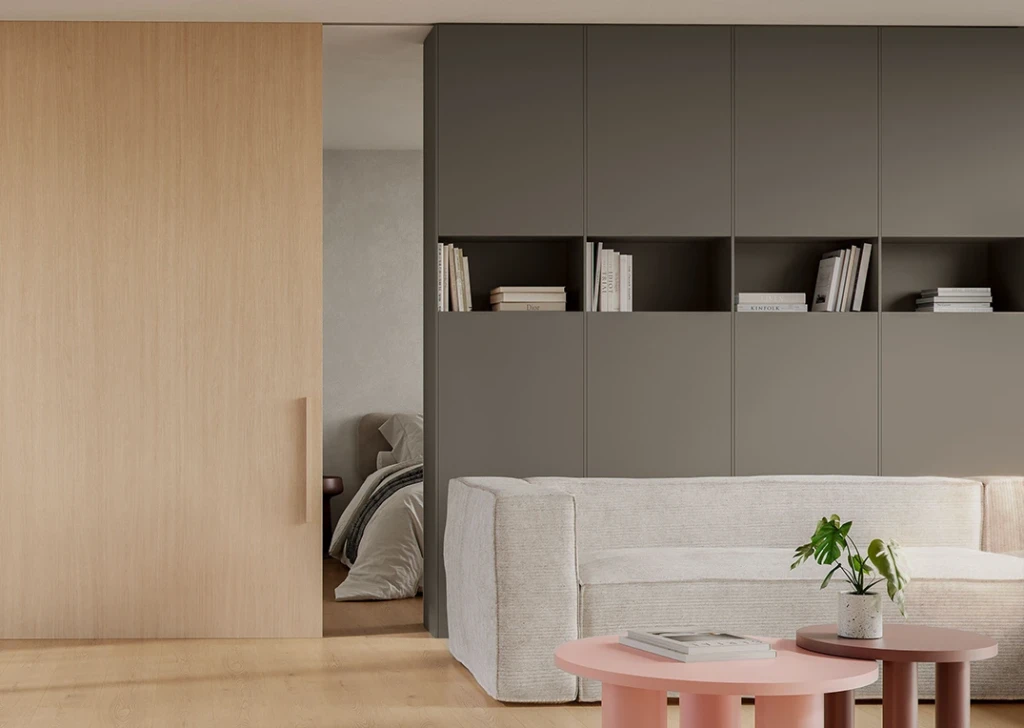
Its ultra-matte, fingerprint-resistant appearance reduces reflections and promotes continuous reading of the volumes. In addition to that discretion, it offers technical features designed for high-traffic areas: improved resistance to scratching, impact and abrasion, heat resistance, easy cleaning and suitability for contact with food. Therefore, you can transfer the serene aesthetic of matte to worktops, kitchen fronts, furniture and other horizontal applications.
The irregular beauty of the saw cut
At Studio Natur, timelessness is born directly from the material. This range works with natural wood veneers and allows surface treatments such as Sega and brushing, capable of making the transformation process visible.
Sega creates a rustic and worn look similar to the mark of a saw cut. Brushing, on the other hand, opens the pores and emphasises the wood’s structure, providing a more pronounced visual and tactile effect. Both options accept irregularity as part of the design, contributing rhythm, relief, and memory.
Together, these five references form a palette capable of transcending styles and seasons. Like classic wardrobe staples, they endure because they possess enough character not to depend on novelty.