Just a couple of decades ago, if we wanted to buy something or didn’t feel like cooking, it was almost essential to leave the house. Visiting one or more stores until finding the desired product, going to a restaurant or a cafe… The option of getting what we wanted in a couple of clicks was almost unthinkable. The fact that companies in the retail sector would have to compete not only with other brands, but also with the ease of being able to do everything without ever leaving their homes, was something few people imagined.
For a while, especially with the peak of the pandemic, it seemed that online commerce was going to gradually take over the market from physical stores almost to their disappearance. However, the most recent data shows a resurgence of in-person retail and slower growth in e-commerce. In the United States, for example, the market share of online sales was 16.4% in 2025, and the increases in that rate in recent years are among the lowest in history.
Perhaps part of that slight stagnation lies in how the retail industry has stepped up its game to face competition that appeals to the more comfortable side of consumers. Why leave home to go to a store to buy something that we could acquire in a few seconds without leaving the sofa? Because that shop or restaurant offers us something more: it promises that we will enter a new world when we cross its doors. That, for a while, we will leave our daily life and routine behind. Retail is now experiential.
This trend takes different forms and aspects depending on the desired experience and the personality of each brand. These are some of the most common characteristics in 2026: enhancing well-being, exclusivity, and personal identity.
Retail as spaces of well-being
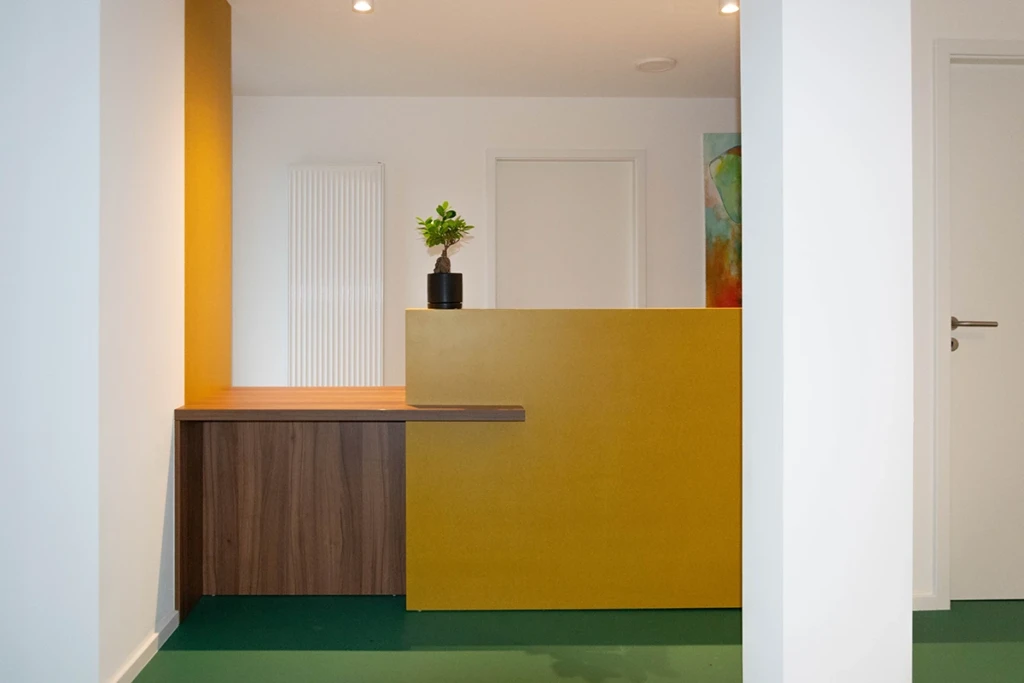
“Regulating the nervous system is the next frontier of human health”, the Global Wellness Institute stated in its report on the top ten wellness trends for 2026. It refers to that search for health, peace and calm in a world defined by digital, work, environmental and geopolitical stress. Many clinics seek to provide an experiential experience: whether they are physiotherapy, dental or ophthalmological clinics, they offer an environment that allows you to leave the hustle and bustle behind as soon as you enter. “They are like refuges”, summarises Luz Lamas, a technical retail consultant at Finsa.
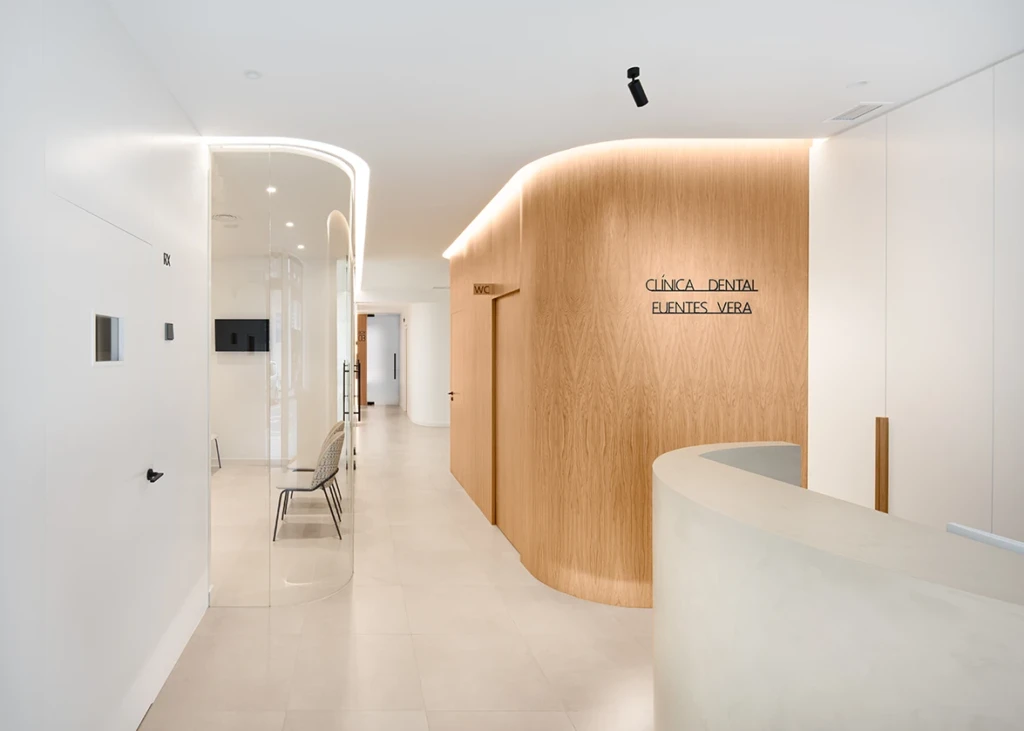
To achieve this feeling, they become very white spaces, which convey warmth through the use of wood. “These are places that encourage you to slow down”, the expert points out. Even in cases with somewhat stronger colours, these remain warm and the wood continues to have a strong presence.
Retail as luxury spaces
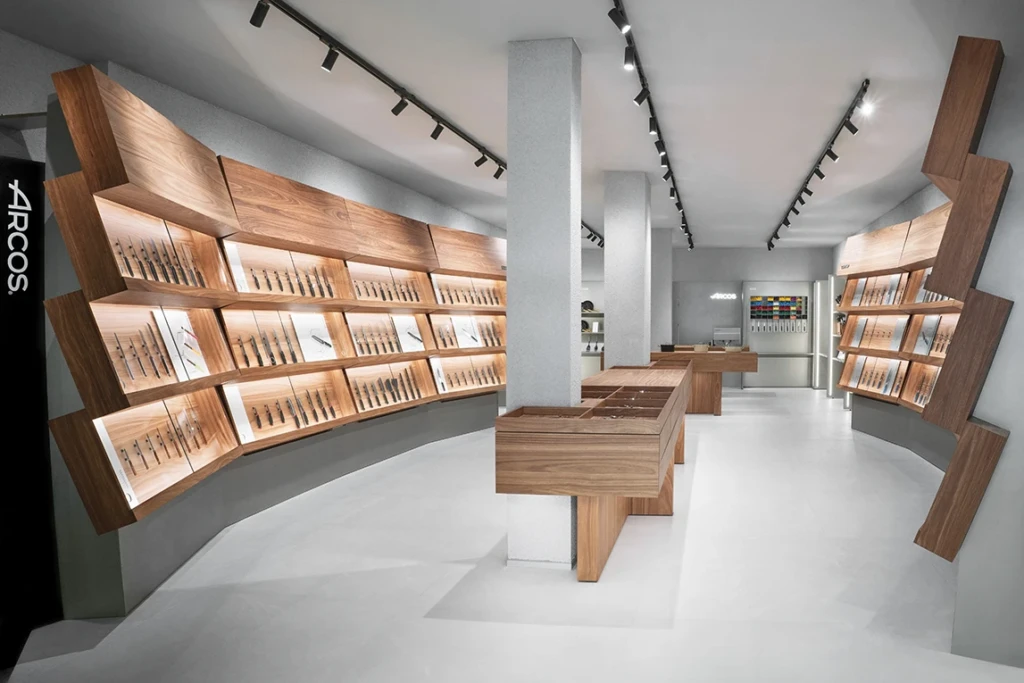
Especially in the case of stores, major brands are opting for a strategy with two positionings for their physical spaces: on the one hand, a line with more adjusted prices to attract the mass market, which competes against the low-cost players. On the other hand, there is a more premium line: the stores are flagships, they have fewer products, and these are somewhat more expensive. The consulting firm McKinsey referred to the latter in its report on the state of fashion in 2026: while luxury brands have increased prices without this translating into an improvement in product quality or creativity, more affordable brands have raised the bar for their products and the in-store experience. Affordable luxury is in fashion, but how to convey that idea of premium quality and a certain exclusivity in physical stores?
Firstly, through spaciousness: they are large places, which can reach 200 square meters, with few products. In other words: the person who enters does not feel a crowded space, but rather the calm that comes through a certain minimalism. Furthermore, the fact that there are few products conveys the idea of exclusivity and excellence: it is a special selection, the best of each range, something that will be reflected in the quality and the price.
“The products used for these premium stores are usually wood, marble, concrete, noble materials”, explains Luz Lamas. Solutions that convey solidity, that make entering their stores a different experience. The woods also play with darker tones that give it a classic look, something associated with high quality. “Brands want to separate themselves a bit from the mid-range. What is not positioned as an outlet or smart discount is positioned as premium”, she points out.
Retail with personality
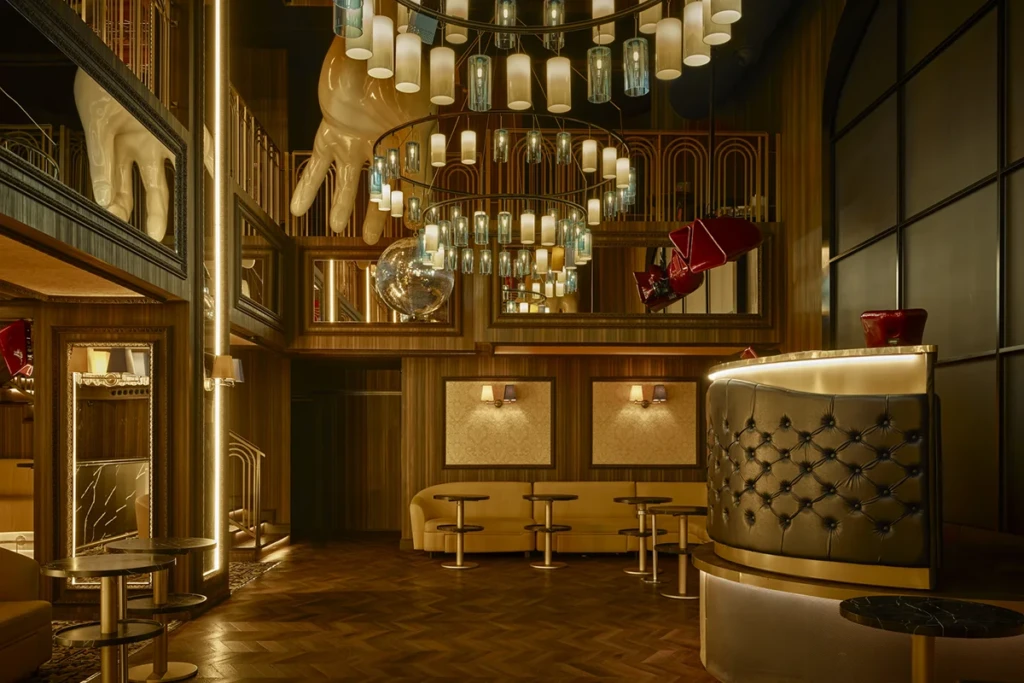
Not everything experiential in retail is based on the spaciousness and serenity that characterise the spaces seen so far: sometimes, especially in restaurants, the experience simply consists of transporting yourself to another world or another era. “They are completely different aesthetics. Places you go to not just for the food or drink, but for the atmosphere. In a way, they invite us to travel and get us out of our routine”, Lamas says. Although there are also designs that fit the two characteristics mentioned so far, there are also more elaborate projects or those that transport us to another era.
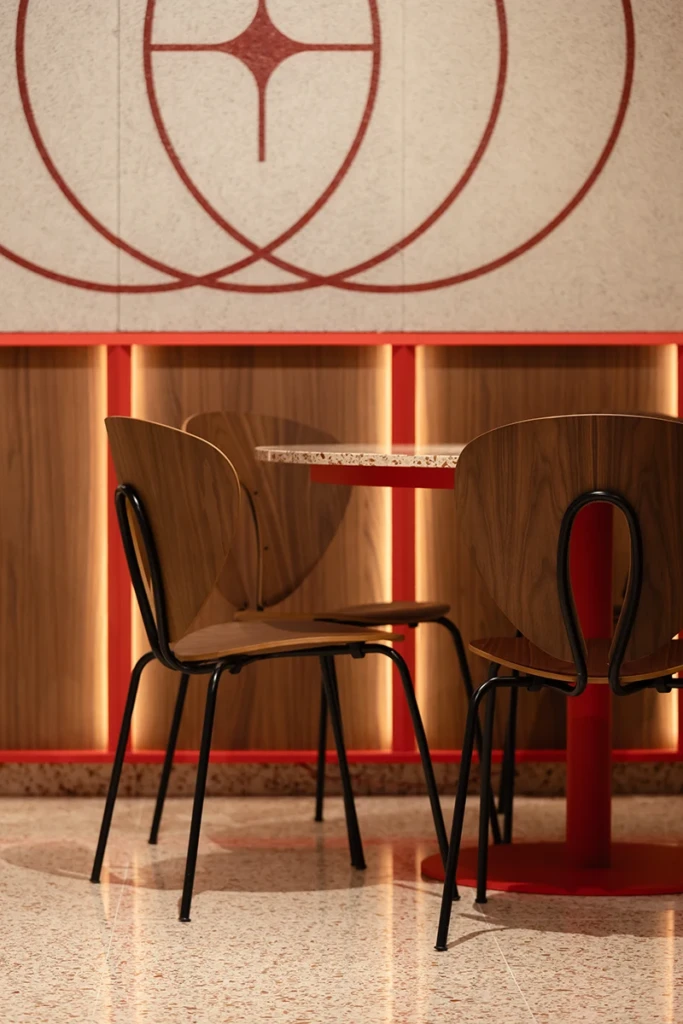
Here, dark woods are seen again. “These are woods with a lot of personality; it’s a trend that is being seen in many projects”, Lamas says. Except in places with a brand image closely linked to, for example, the Mediterranean, where clarity is still preferred, the time when everything seemed to be Nordic and bright seems to be coming to an end. Dark woods are associated with something more classic, which, in turn, is related to quality. They were the grandparents’ furniture, the furniture that is inherited”.
In the restaurant industry, however, variety is key. Why go to a slightly more expensive burger place instead of a low-cost one or order delivery? Because space offers something more. “It’s the idea of going to a place not only because you like the food, but also because it’s beautiful or different”, Lamas summarises. A place you’ll remember and that you won’t confuse with other restaurants, clubs or cafes that serve something similar.
The competition from online commerce is still there and, for a moment, during the pandemic, it seemed that retail, physically going to a place to buy or consume something, was something we would do less and less. However, the effect has been the opposite: we want to leave home, and this persists years later. That said, we also want every visit to a shop, restaurant, or even a clinic to be special. The focus on the experience is here to stay.