What is luxury and how does it apply to retail? We know how to recognise it when we see it, and yet putting into words what makes a space seem luxurious to us is more complicated. The RAE Dictionary relates it in its first two meanings to abundance. In the fourth definition, it clarifies where we’ve been focusing lately: “high category, excellence, or exquisiteness that something possesses due to the quality of the raw materials used in its manufacture, its high performance, or services”. Perhaps we can stick with that definition when talking about luxury retail.
The luxury industry is experiencing a good moment, although not without challenges. After the pandemic boom, when many consumers poured what they weren’t spending on travel into that sector, there was a small drop, but the market is now stabilising, according to market intelligence agency Mintel. One of the priorities is to make physical spaces, whether shops, clubs, or restaurants, attractive places again, capable of beating the convenience of online experiences. Exclusive spaces, where the luxury experience begins as soon as you cross the threshold. But what should these spaces be like from an interior design point of view?
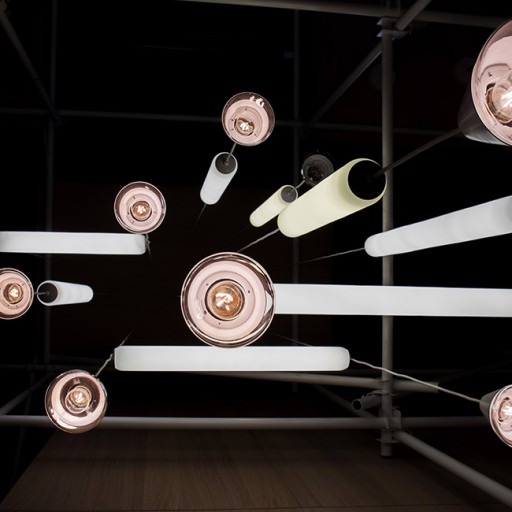
“In projects where we are asked for luxury, we really like to imagine a world of ‘casual luxury‘, a concept that seeks an exclusivity that feels alive, vibrant, where we can feel comfortable and enjoy the space”, summarises the Ilmiodesign studio. Thanks to their eclectic approach, they can adapt to this idea by “creating contrast through the use of colour, the mix of materials, textures, and contemporary furniture”. The lighting, “warm, mixing indirect LED lights and classic pieces”, is also fundamental.
Architect Gonzalo López from the Stone Designs studio highlights the importance of the honesty and simplicity of the materials in conveying a sense of luxury or elegance. “When we use a board, for example, and place it on a relatively large scale, so that it can be seen, and illuminate it around the perimeter with a warm light, the honesty of that material and its characteristics are highlighted without touching or altering it much. I think that’s where the luxury lies. The luxury of being able to enjoy a material in a simple way and in all its facets”, he explains.
Luxury retail = going against the grain
Sometimes, luxury retail finds its essence by turning a space on its head and making it no longer what one would expect of it. One example is ATM Atomic Burgers, a burger restaurant in Gijón whose brand concept and design were handled by Stone Designs. How to create a burger joint that isn’t the classic noisy space with bright white lights and garish colours?
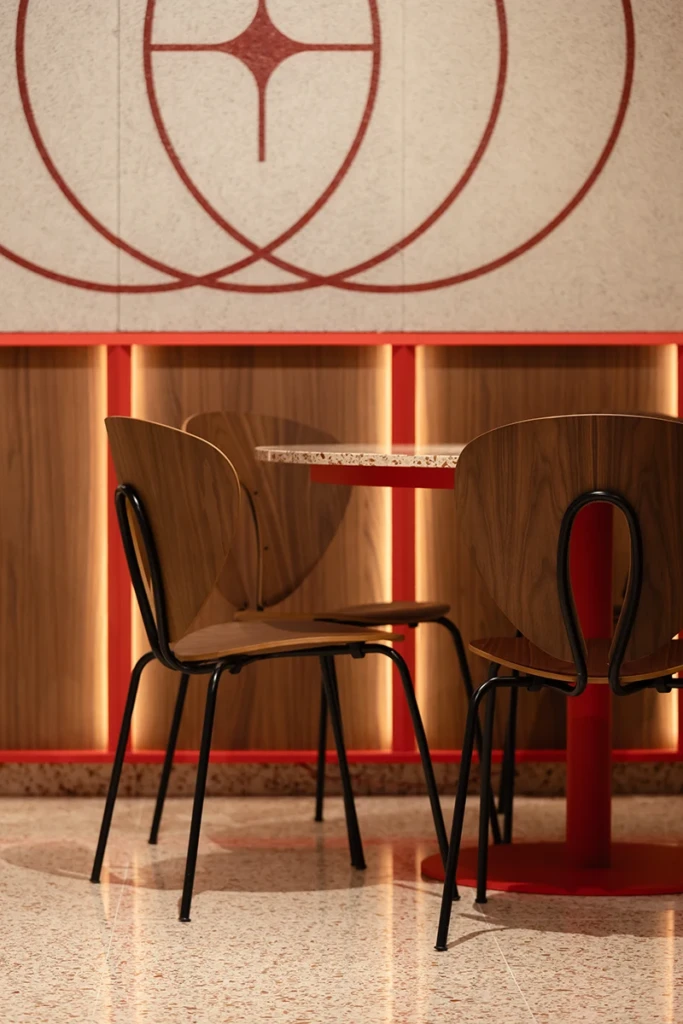
The first step was the development of the overall branding concept. “We took the reference from the atomic age, from this aesthetic that is a bit after the Second World War, influenced by nuclear energy, which then also enters a bit into the space age. We later translated that entire visual universe into the furniture, the finishes we chose, etc.”, says Gonzalo López. He also speaks of nostalgia when referring to the design of this particular space.
“We wanted to make the burger joint a more welcoming and elegant space”, he summarises. All of this was conveyed with that combination of materials and lighting that the architect mentioned earlier. To differentiate ourselves from that generalised idea of what a burger joint is, we opted for textures, finishes and materials that were in line with the atomic concept and relatively simple, which is where elegance lies”, he explains.
They worked vertically with very different materials: Heraklith, with a rougher and more industrial texture, where they painted the motifs, and wood (FibraPan® Nogal Canaletto Mesura by Finsa) for the baseboards. “That contrast between the industrial look of Heraklith, which is more commonly seen in burger restaurants, and a more elegant and noble material like walnut gives it a slightly more elevated, more intimate touch”, he describes. This, combined with warm integrated LED lighting that bathes the wood and the transition between both materials, which was made with red metal profiles, offers a more welcoming experience. “From the outside, you can already sense a warmer space that makes you want to go in more than in a normal burger joint, where the light hits you like a flash”, he reflects.
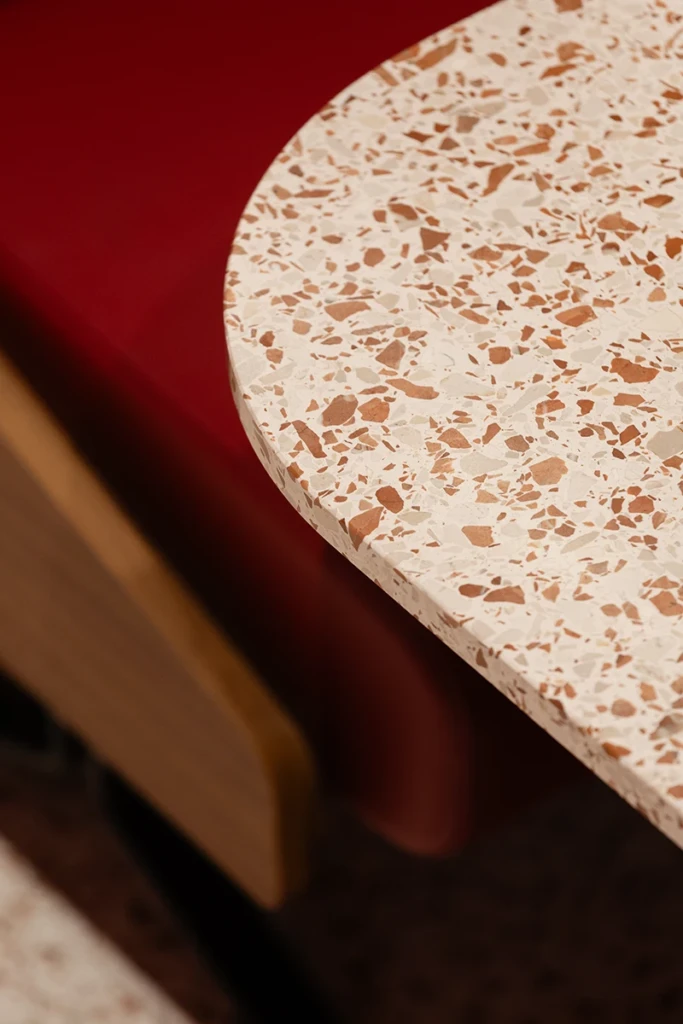
In addition, the use of terrazzo on the floors, tables and countertops helps to give the restaurant a more intimate and homey feel. “I want it to be a bit like being at home, with family”, the architect says.
Ilmiodesign also highlights the importance of the sensory aspect. “Sensory perception is the result of our alchemy. It is something intangible, subjective. An interior is not just seen: it is felt. It is a result obtained by mixing materials, textures, and lighting”, they say.
Retail, luxury and nostalgia
Although there are also luxury spaces that opt for a hyper-technological and futuristic aesthetic, it is not surprising that, in most cases, luxury retail introduces nostalgic or more retro elements into its designs. Classic styles often convey elegance, solidity, and that feeling of returning to a time remembered as simpler. But how to combine that nostalgia with a more current and modern feel?
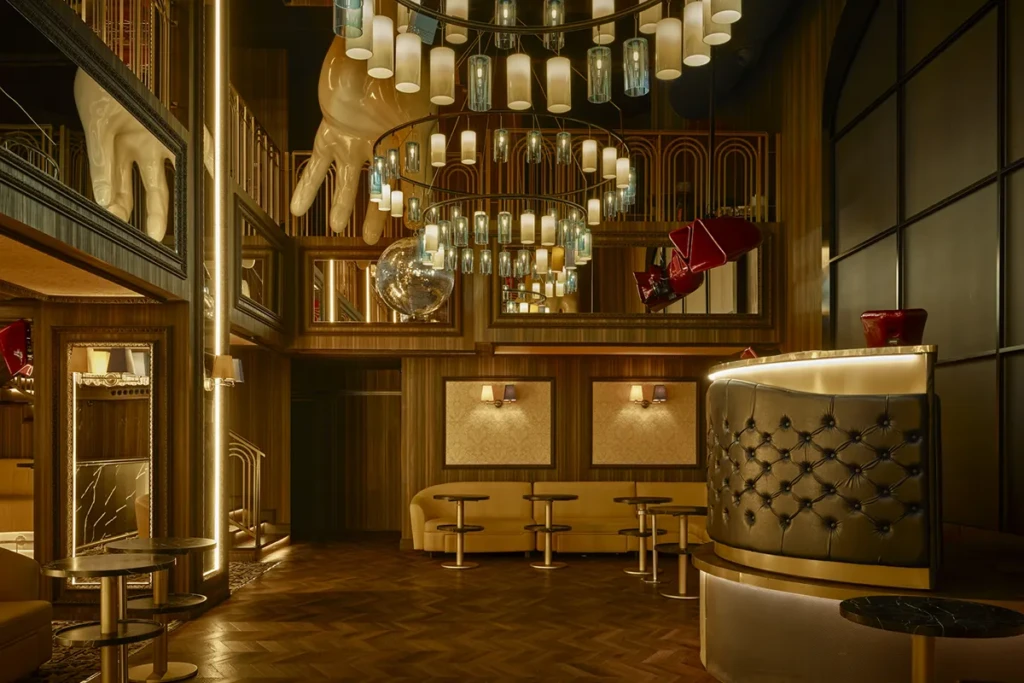
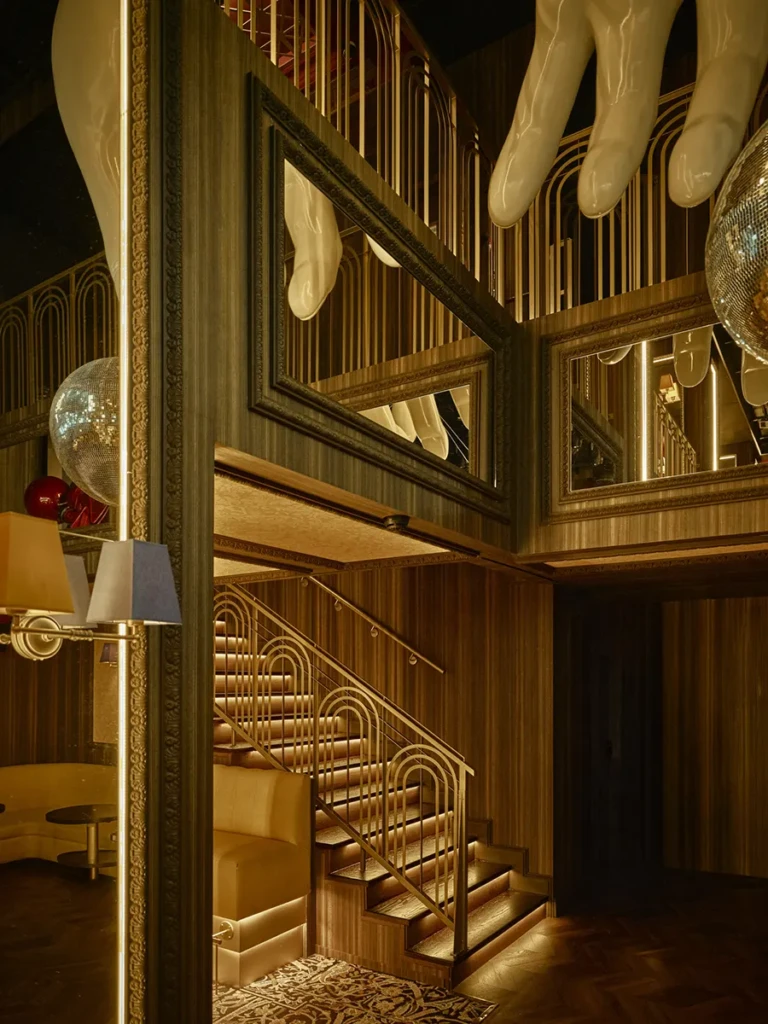
For the Blondie Club, an exclusive nightclub and afternoon venue in Madrid, Ilmio design sought to achieve a sophisticated balance of nostalgic modernity. “It is not a copy of a seventies disco, but a contemporary reinterpretation with current technical and formal solutions. “Disco balls take us back to a bygone era, but by adding hands holding them, we propose something more sculptural, ironic and surreal that breaks with the past”, they explain.
The idea behind these spaces is, ultimately, to attract customers from the outside, differentiating themselves from the rest of the premises through that elegance that promises a unique, special, unrepeatable experience. Custom designs, quality materials, and the guarantee that everything in the space has been thoughtfully designed and lovingly cared for so that people feel like they are in an intimate and relaxed bubble upon entering, far from the hustle and bustle of their outside life. And, as you leave, start looking for space in your mental calendar for a future visit.