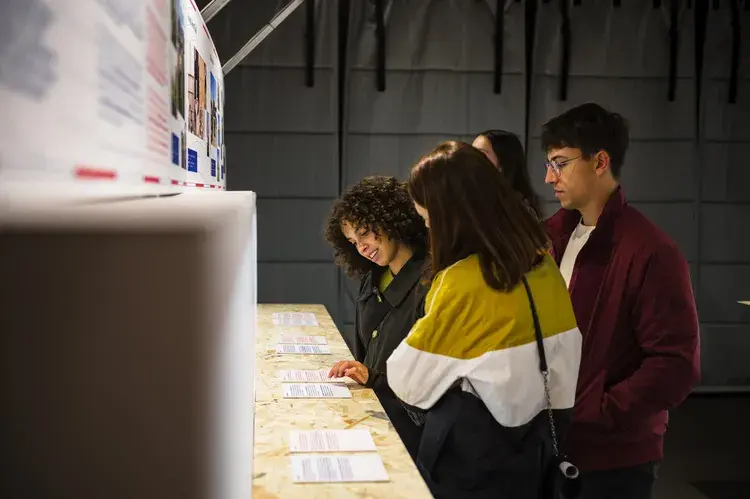
The first edition began focused on Turin (Italy). From what was then the Torino Stratosferica cultural association, they wanted to tell a large audience about all the potential that their city had, what possibilities for change there were. But they also wanted to broaden their focus and look out at the world. “We wanted to explain that everything we were planning for Turin was also, in a way, related to things that were happening in other cities around the world”, says Luca Ballarini, creator and director of the Utopian Hours festival. So they invited people from other places to Turin to tell how they had carried out their transformations. The aim was to convey and understand, by seeing examples of initiatives in other cities, that change is possible.
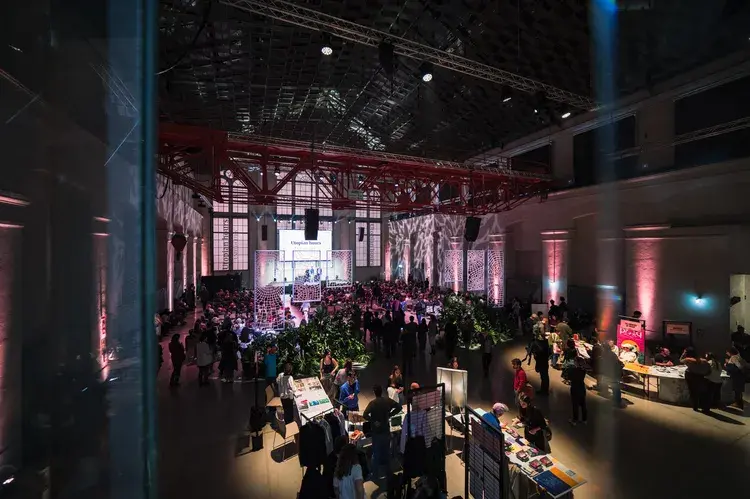
This was the starting gun for a festival, Utopian Hours, which celebrates its tenth edition in 2026, reason why they have divided the event into two parts. The first, held at the end of May over two days in Rotterdam, invited back some of the speakers who had already graced its stage this decade to offer an updated version of their talks, a “what’s happened since then?”. The second part, back in Turin in October, will welcome new speakers. “We want to celebrate the multidisciplinary spirit of the festival: entrepreneurial activism, social innovation, placemaking, mobility, infrastructure, landscaping, radical utopian thinking…”, says the director.
The possible utopia of a better place
That idea of possible change might clash with the inclusion of the word utopia in the festival’s name, but Ballarini is quick to clarify that its meaning is that of the Scottish sociologist and urban planner Patrick Geddes, who understood the word as eutopia, that is, a better place. “It’s not the utopia of Thomas Moore, which is basically ‘another place’ or something unattainable”, he points out. The best place in Geddes might well be the city we’re living in right now.
As for the hours, the other term that makes up the festival’s name, it refers to the need to divide our days in order to achieve that utopia. “You can be utopian for a few hours, but you also have to be practical to be able to realise that utopia, to create that place better than the one we inhabit now”, says Ballarini. There is an undeniable focus on the future, on leaving kinder and more humane cities for future generations.
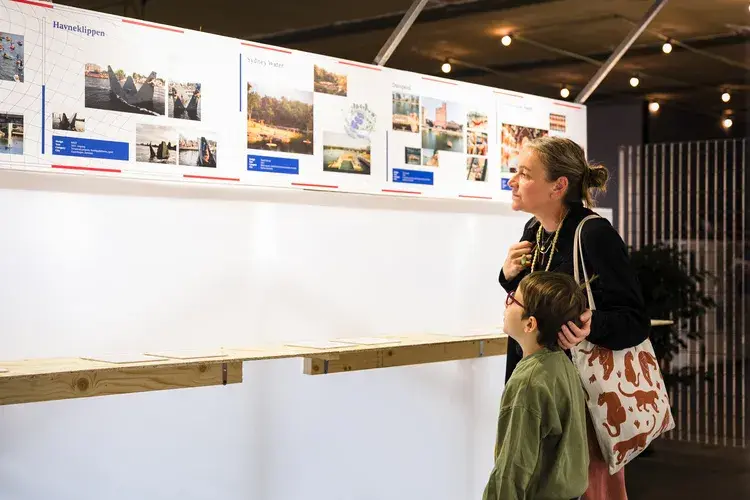
In the case of Turin, for example, this utopian city would mean promoting the potential of the rivers and the landscape and tearing down some infrastructure that, according to the festival director, was built only for money and contributes to a certain social dysfunction. “I would also invest heavily in urban volunteering. We have to understand that cities cannot be something from which we only extract value; we must contribute something”, he points out.
Behind Utopian Hours also has the fact that humans are already an urban species. “Most of humanity now lives in cities and that percentage is expected to continue to increase”, Ballarini argues. The festival attempts to reflect on the big questions (what does it mean to be a citizen? (Why did cities emerge more or less simultaneously in different geographical areas?), without forgetting the most urgent: the challenges, such as the environmental one, that must be addressed as soon as possible.
4 outstanding cases from the last ten years
The main evolution of the festival in this decade – also marked by a global event as destabilising as the pandemic – has been “a constant raising of the bar“, says Ballarini. Torino Stratosferica has been a social enterprise for years, researching what’s being done in other cities, and each year, they invite the most “iconic and passionate” civic projects. The Covid crisis was a wake-up call, proof that more needed to be done: to work on more concrete projects, to think and rethink the future of cities. These are 4 of the most outstanding presentations in Utopian Hours history:
Copenhill, from waste plant to ski resort
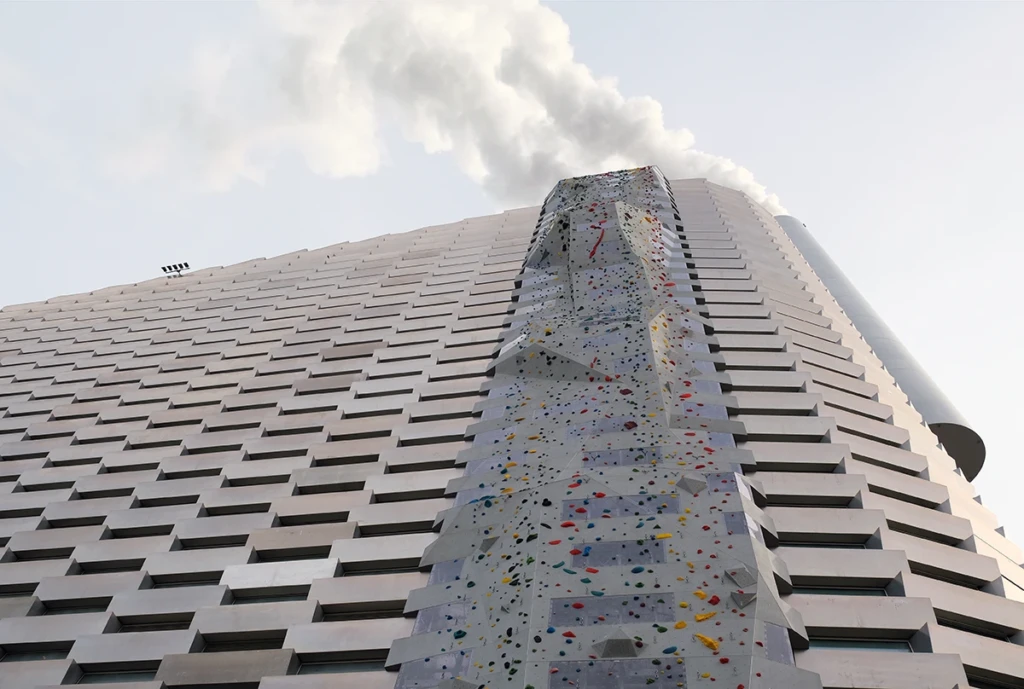
Copenhill is a waste management plant in Copenhagen, an architectural landmark that proposes a ski resort (in a very flat country) on a mountain of garbage that is being converted into energy.
Patrik Gustavsson, director at that time of Amager Bakke Foundation (which coordinated the project’s funding), gave in to the Utopian Hours in 2019 was a lesson on how to “set up a waste management plant and turn it into a sports facility, bringing together in one great project professionals from engineering, chemistry, landscaping, architecture, planning, and together building a great example of urban infrastructure”, recalls Ballarini. “It was a great presentation on how to make it possible, how to break down those barriers between professions”.
Kotchakorn Voraakhom and a resilient Bangkok
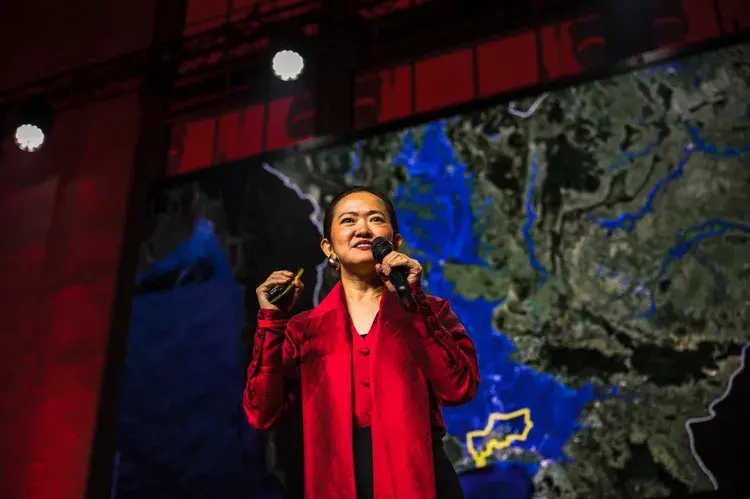
The Thai landscape architect -creator of the neologism waterscape, the aquatic twin of landscape– participated in the 2024 edition to talk about how to make Bangkok more resilient to rising sea levels: urban planning projects, water management… “People stood up to applaud her; they were fascinated by her presentation”, says Ballarini.
Mars City Design: Living Beyond Earth
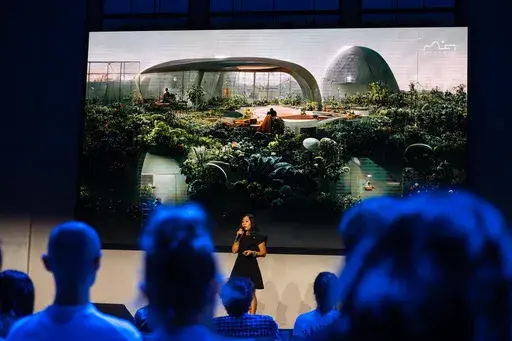
One of the proofs of the broad-mindedness they have at Utopian Hours is the fact that one of the 2022 presentations was dedicated… to Mars. Architect Vera Mulyani has spent years exploring the concepts of habitability and sustainability for both the red planet and Earth. At the cities festival, he speculated about how cities could be built on Mars, but above all, he issued a warning about how we must “reconnect with the universe now on Earth before even thinking about daring to build cities on Mars”, says Luca Ballarini.
Mulyani also shared with the audience how during the pandemic she had to rethink many things about her mission. “It was a very exciting moment, reflecting on the purpose of humanity”.
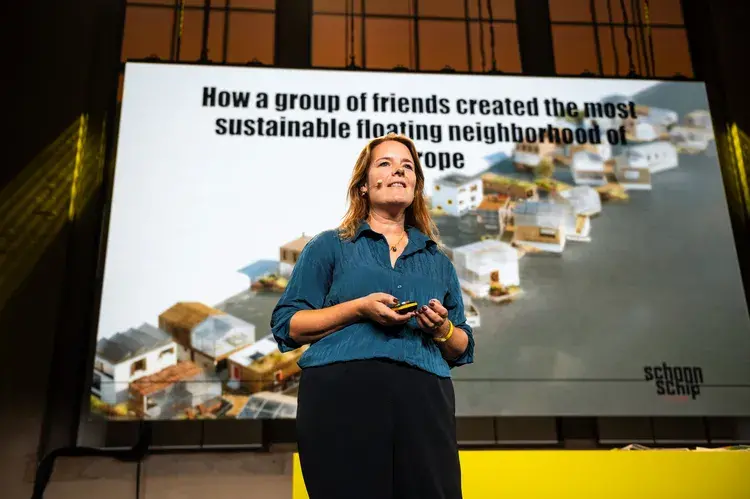
SchoonSchip: a self-managed neighbourhood of floating houses
An example of collective perseverance with a happy ending: SchoonSchip is a sustainable neighbourhood of floating houses, located in Amsterdam, which exists thanks to the insistence of a community of people between 30 and 40 years old who proposed to the local Administration to give that use to an old military canal that was abandoned. After ten years of dialogue, they managed to make it a reality.
In Utopian Hours spoke about the Marjan de Blok project, one of its promoters. “He didn’t come to talk about architecture, but about how to do something like that, how to turn such an extravagant idea into reality”, says Ballarini. “It is truly a utopia come true”.