From September 28 to October 1, 2026, nude will once again take its place at Feria Hábitat València. This will be its 22nd edition, featuring fifteen selected proposals —six from emerging professionals and studios and nine from schools and training centres— from Spain and Mexico.
Since its inception in 2002, the show has functioned as much more than a showcase for projects fresh out of school or studio. Many of those early appearances now allow us to trace the path from prototype to industry and from newcomer to benchmark. These six stories demonstrate this.
José Manuel Ferrero: returning to the place where it all began
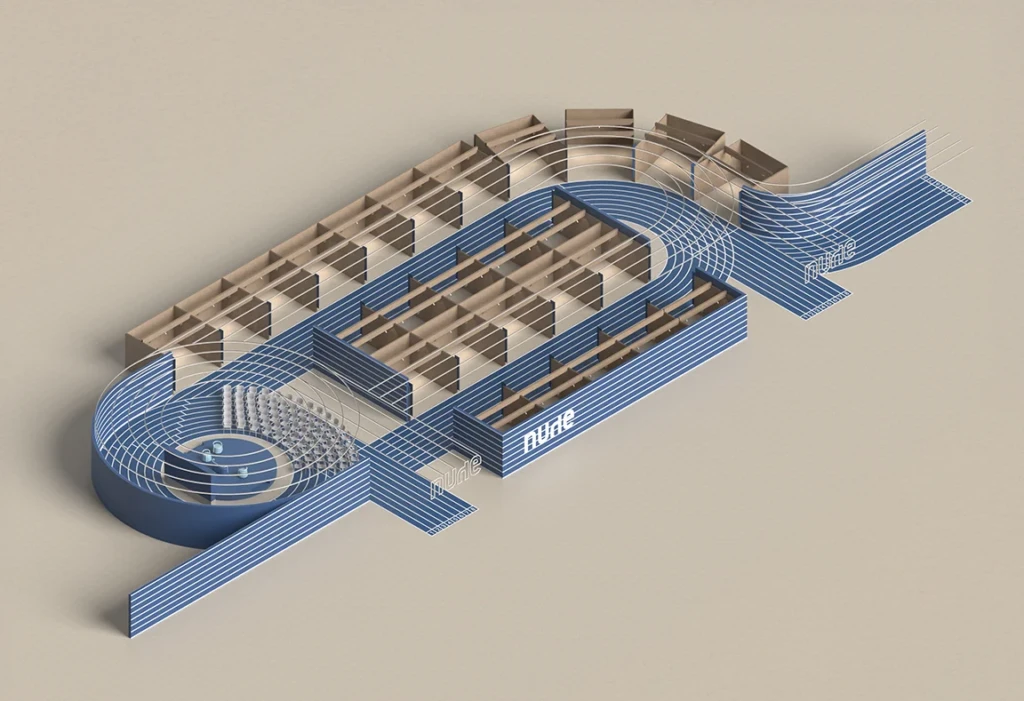
In 2003, José Manuel Ferrero exhibited his work at nude, coinciding with the birth of estudi{H}ac. Twenty-two years later, he returned to the same space, but with a radically different role, as in 2025 he was in charge of conceptualising it.
His proposal transformed nude into an athletics track, a metaphor for a profession that, as Ferrero explained, is more like a marathon than a sprint. At Connections by Finsa, he recalled that first participation as a space for direct contact with the industry that provided her with visibility, but also the confidence to find her own voice.
Junts: an idea capable of transcending the prototype
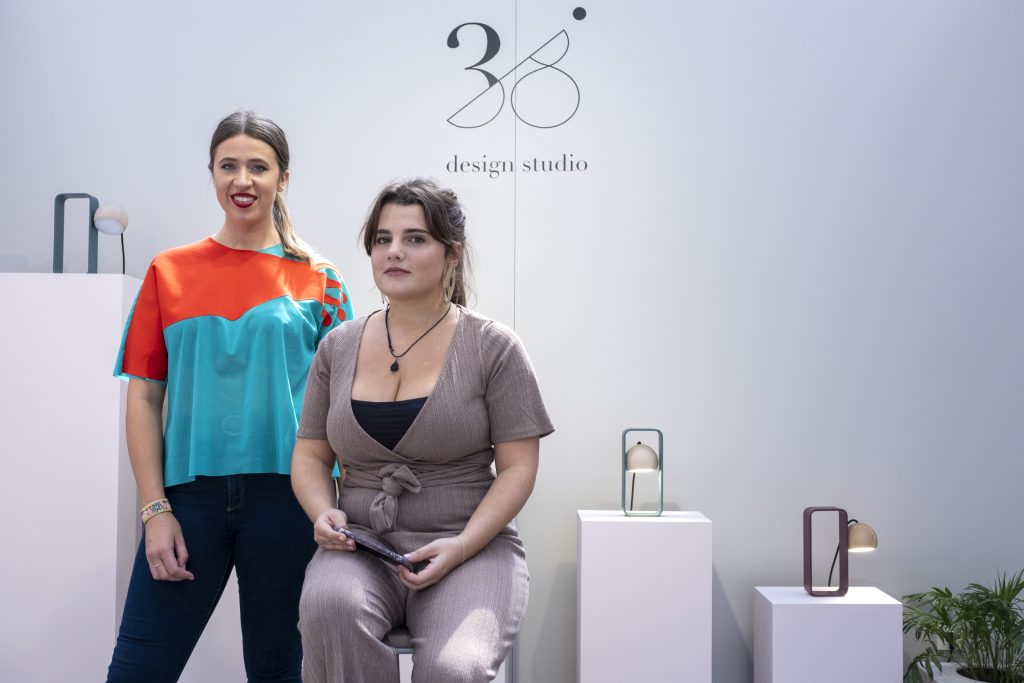
Identifying emerging projects with a material and conceptual idea strong enough to transcend the prototype stage is one of nude’s most interesting functions. In 2019, Junts, by Agota Rimsaite and Cristina Sánchez, founders of 38gradosdesign, won the Talent Award Nude by Finsa & Actiu.
The light fixture combined a rectangular structure with a magnetised wood sphere that allowed the light to be directed. The jury valued the dialogue between natural and technological materials and the blend of cultural references from both designers. The award also aimed to extend the project’s visibility by guaranteeing its inclusion in the following edition, a continuity that was ultimately interrupted by the pandemic.
Twenty-six designs that managed to leave the nursery
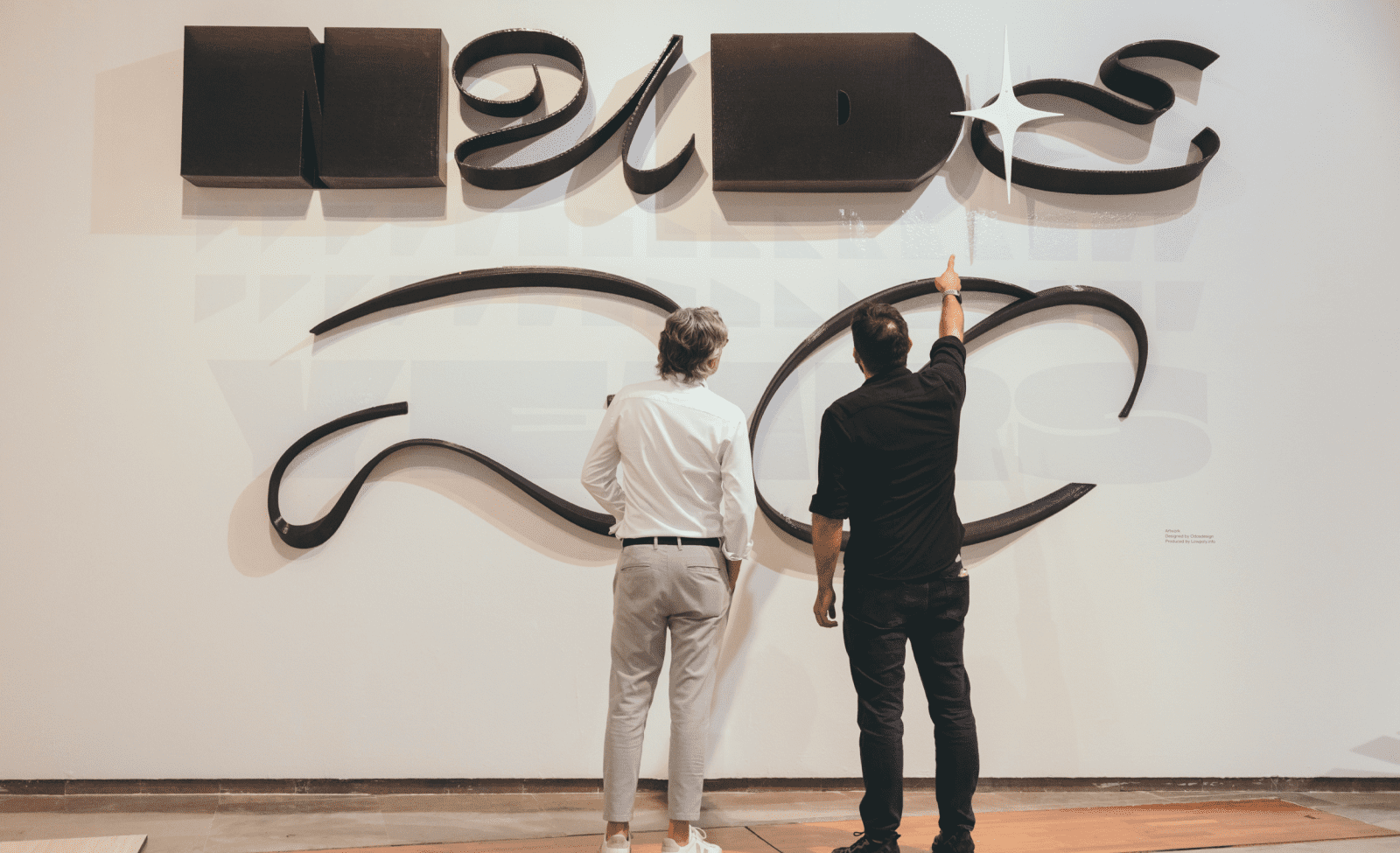
When nude turned twenty in 2022, the retrospective NUDE GENERATION. 20 YEARS was not conceived as a nostalgic exercise. Its committee selected 26 pieces, prioritising those that had managed to break into the industry or find self-publishing opportunities.
Among those who made that selection were Pepe Cosín, along with Alejandro Benavent, Silvia Flórez, and María Fontes. Cosín summarised the scope of the show at the time, noting that many now-renowned studios had started by exhibiting their pieces there. His perspective on design and the evolution of interior design can be explored further in this conversation, which we published in Connections by Finsa.
Stone Designs: from exhibiting to selecting those who come after
One of those 26 pieces was By Yourself, by Stone Designs. Cutu Mazuelos and Eva Prego went to the other side, and in 2018 they were part of the professional jury in charge of selecting new projects for nude.
The journey is especially significant because it transforms the hall into a kind of conversation between generations, and those who once sought visibility end up participating in the selection of the talent that comes later.
A laboratory for mixing materials that didn’t seem destined to meet
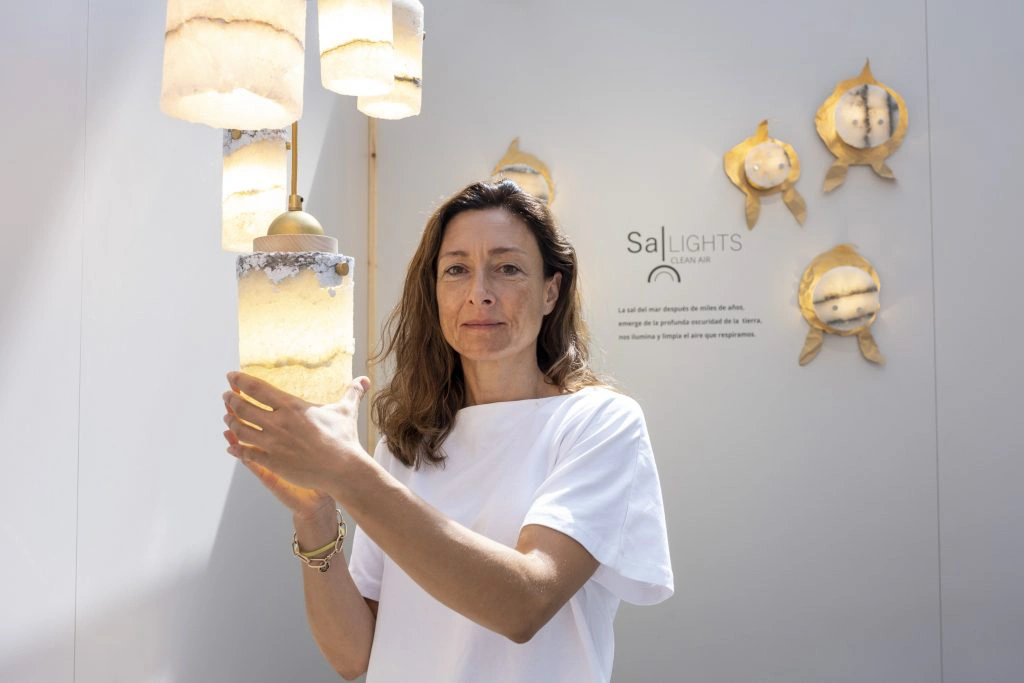
Nude also allows us to observe how material concerns in design are changing. In the 2019 edition, at Connections by Finsa, we highlighted the SalLight lamps by OtherLife and the Organica Collection, which combined solid wood with polymers used in 3D printing.
Beyond the uniqueness of each object, these proposals show a constant of the show, that of using the prototype to test combinations of craftsmanship, technology and new materials before some of them enter wider commercial circuits.
The real curiosity: nude was born so that university and industry could meet
Perhaps the most unique aspect of nude isn’t any specific piece. In an interview published by Connections in 2019, Daniel Marco, then director of Feria Hábitat València, explained its origins as part of an effort to promote knowledge transfer between universities and businesses: creating a space where new generations could directly present their proposals to manufacturers and thus revitalise the sector through design. In that edition, Finsa also participated in the physical design of the exhibition itself.
Twenty-four years after its birth, that idea is still probably the best way to understand nude, as a space where what is still a promise can begin to become a trajectory.