Wellness spaces (spas, hotels to disconnect…) are being expanded with a new generation of life retreats that are beginning to be designed around moments of fracture: a separation, a grief, a crisis of meaning or a personal transition. How do you design a place for someone who is leaving behind a version of themselves?
These spaces work because, beyond offering accommodation or activities, they plan a journey with a beginning and an end where the person experiences a change. From arrival, contemplation, conversation, the body, the landscape to, finally, a possible exit. In them, materiality – wood, fibres, warm textures, soft acoustics, natural light, contact with nature – becomes part of the emotional device of the project.
Camp Heartbreak: designing the transition between intimacy and community
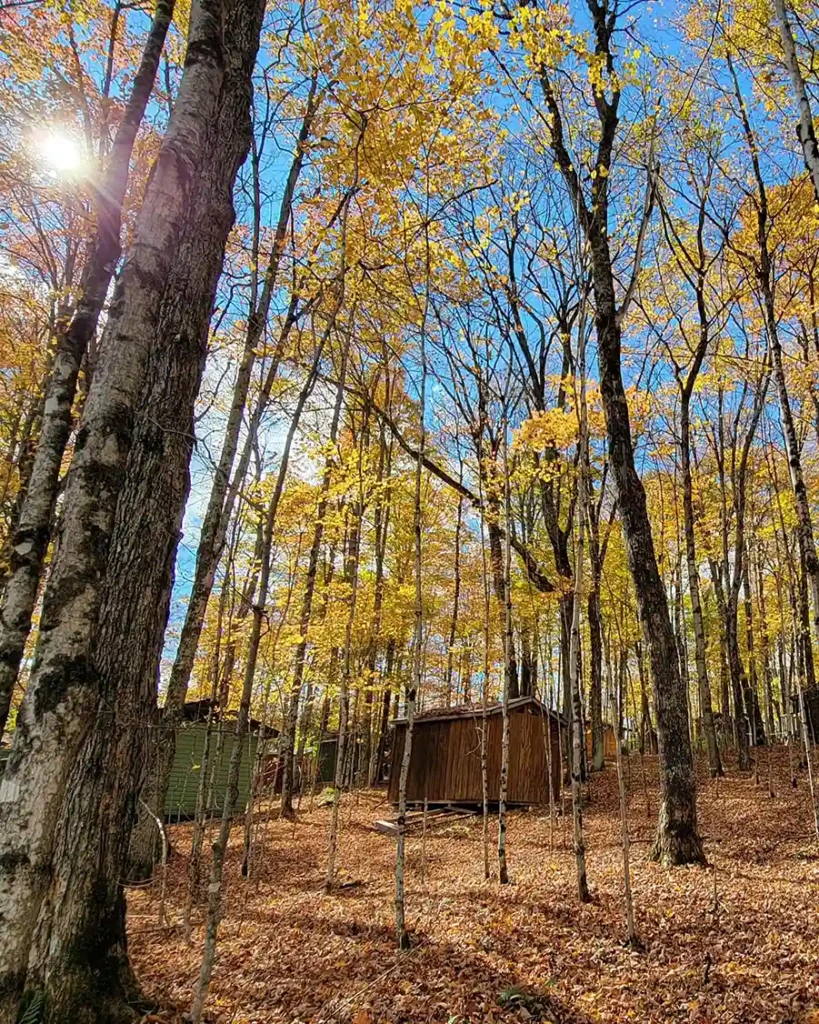
In Kawartha Camp Heartbreak in Lakes, Canada, offers a retreat for those going through a breakup, divorce, or separation. The program combines professional therapy, mindfulness, workshops, writing, yoga, outdoor activities and living together in a 160-hectare natural environment.
Its spatial value lies in recovering the logic of the camp -cabins, bonfires, paths, water and shared spaces- to turn it into a transitional architecture. The breakup, which is usually experienced as isolation, is reframed here as a supported experience. For this to be effective, environments of intimacy must be designed. Spaces to retreat, but also to gradually return to the group.
StolenTime St Lucia: turning hospitality into a bereavement infrastructure
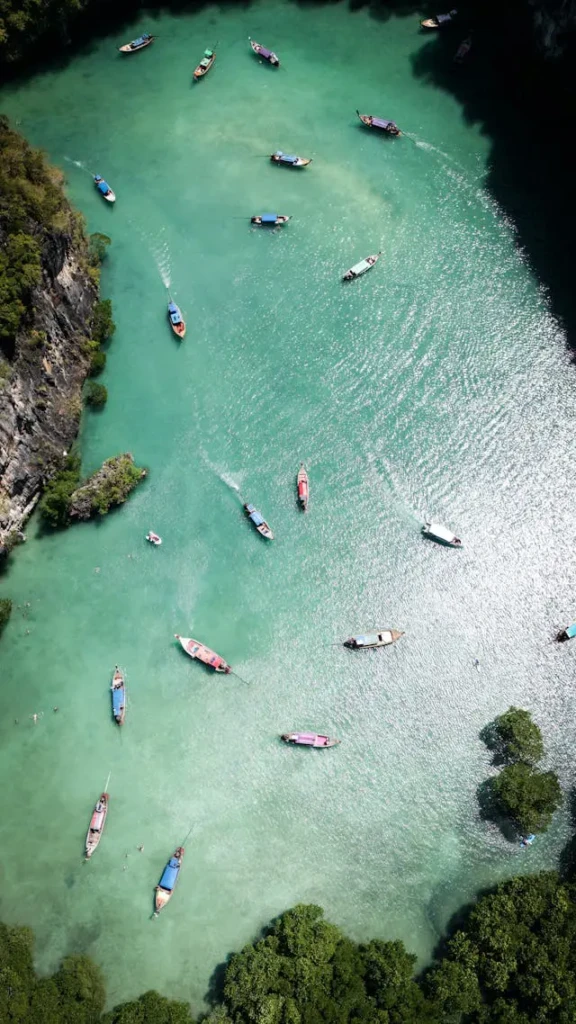
The resort StolenTime St Lucia promoted the Grief Retreat package, geared towards people facing grief or a difficult life transition. The proposal combines professional therapy with mindfulness, conscious paddleboarding, DanceFit, spa treatments and the Caribbean landscape as a recovery setting.
The key here is how hospitality is starting to incorporate more specific emotional programs. The resort ceases to be merely a place to disconnect and becomes a care infrastructure, adapting spaces capable of supporting processes, not just stays.
Ver esta publicación en Instagram
Mu Thua Thai Pai Kub AI: Designing the ritual in the age of personalisation
The Tourism Authority of Thailand has launched Mu Thua Thai Pai Kub AI, an initiative that combines artificial intelligence, astrology and spiritual tourism to recommend temples, natural landscapes, markets and experiences based on personal data and astrological signs.
This case takes vital retreats into the territory of symbolic personalisation. In addition to travel organisation criteria such as destination, budget or duration, there are more intimate perceptions, such as what I need to understand, what energy I am looking for or what place seems to correspond with me.
Memorable spaces like these are often organised around rituals. A threshold, a meditation room, a journey to a temple, a shared table, or a graphic piece can activate an experience of meaning.
Azuma Farm Koiwai: rural slowness as an architecture of repair
In Japan, Azuma Farm Koiwai, located at the foot of Mount Iwate, the project unfolds on a historic rural estate and works with forest villas, local materials and an organisation inspired by settlements from the Jōmon period.
In contrast to explicit therapeutic withdrawal, Azuma Farm Koiwai suggests a form of repair based on slowness, domestic scale, and the link with the territory. Nature is offered as part of the infrastructure, where forest, climate, wood, shade, views and silence build an experience of pause.
For design, this case highlights the importance of low-friction materials. Local woods, fibres, organic textures, temperate tones and discreet construction solutions help to generate confidence.
Ver esta publicación en Instagram
We are experiencing more transitions, more visible grief, more changes of stage, and a greater need to ritualise what previously remained in the private sphere. Life retreats, in the form of pop-up experiences or as places permanently dedicated to it, attest to this trend.