Has everything already been invented? For decades, waste represented the endpoint of production processes. The surplus material had to be stored, disposed of, or managed to reduce its environmental impact. Today, however, that same surplus is beginning to acquire another value within design, architecture, and the materials industry. New recycling materials are transforming the way contemporary design understands matter: not as a finite resource, but as part of a continuous cycle of reuse and innovation.
While in the past the conversation focused mainly on waste management, today the focus shifts to how to transform industrial waste, organic remains or production surpluses into functional, competitive solutions with aesthetic value.
From industrial waste to raw material: the origin of new recycling materials
The circular economy has introduced an idea that is increasingly present in contemporary materials research: waste is not only the end of a process, but also a reserve of untapped resources.
Following this logic, numerous projects experiment with industrial surpluses, biomass, or production waste to create recycled materials applicable to design and architecture. In some cases, the goal is to replace conventional raw materials; in others, to discover unexpected properties that only appear when waste is processed using new techniques.
This new generation of recycled materials for architecture and interior design demonstrates that recycling is no longer just an environmental strategy, but also an engine of aesthetic and technological innovation.
Biomaterials and biological processes: when materials are grown
Contemporary materials research has also opened the door to biological processes capable of generating new materials from organic waste.
One example is the work of Mogu, which uses mycelium, the vegetative network of fungi, to produce panels and architectural surfaces from agricultural waste. Instead of being manufactured through traditional industrial processes, the material is grown through biological growth, using organic byproducts as a base.
This type of biomaterial introduces new possibilities within sustainable design, as it allows the creation of surfaces with low environmental impact and with acoustic or thermal properties that are interesting for contemporary architecture.
Ver esta publicación en Instagram
Biomimicry and experimental design
Within this field, the work of Ester Cruz Design is also relevant, as it explores the intersection between science, design, and sustainability. Their projects investigate how to transform waste and discarded materials into pieces of furniture and objects that keep the origin of the raw material visible.
Instead of hiding the recycling, the design makes it part of the object’s narrative. “My main goal is to create the least harmful objects possible, to introduce recycled materials and also single-material furniture, so that the recycling process is much simpler”, explains the designer.
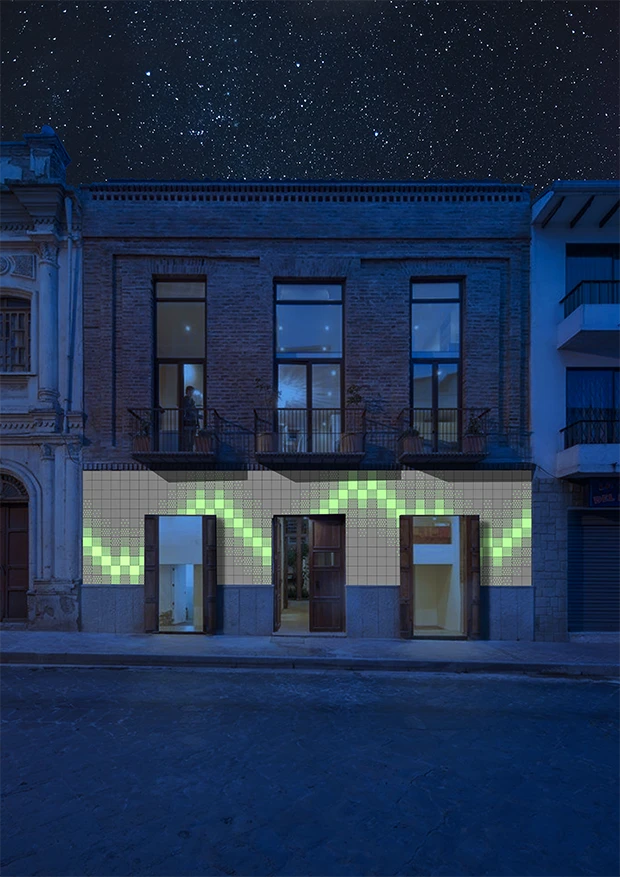
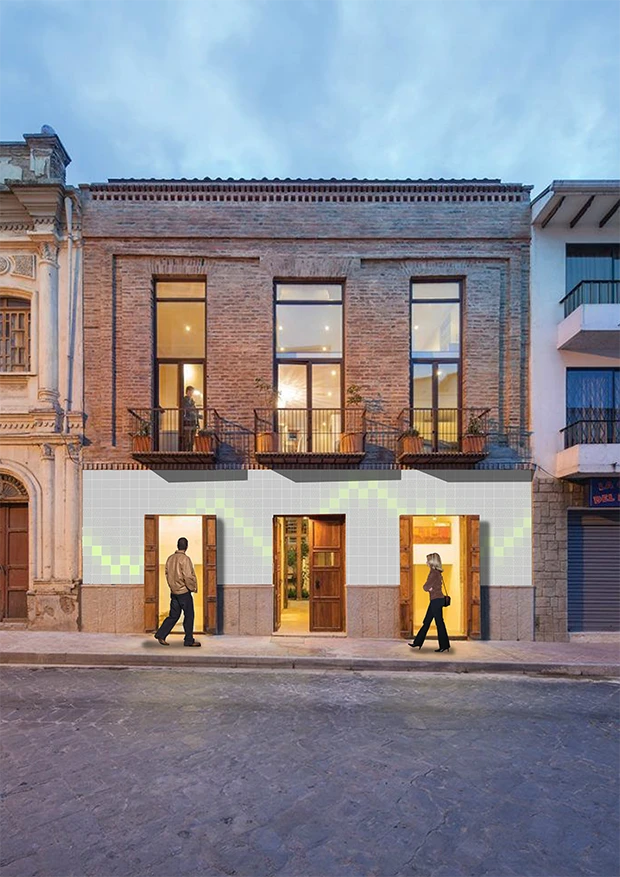
Inspired by nature, Cruz develops collections that combine material experimentation and visual storytelling. The Luciérnaga tile series is inspired by animal bioluminescence, while the Allium lamp collection, presented at Nude, uses treated garlic skins to make biodegradable shades combined with poplar wood supports.
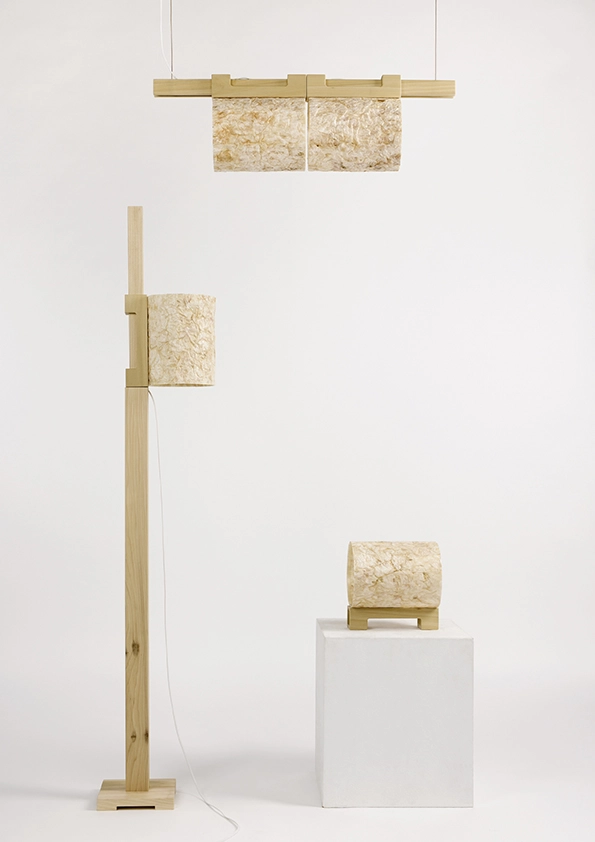

These initiatives show how new recycled materials can also become expressive tools within contemporary design.
Recycled surfaces and recovered plastics in architecture
Beyond biological experimentation, many projects focus on the reuse of existing industrial materials.
Initiatives like Ecoclay investigate the reuse of mineral waste to develop construction materials based on recycled clays. The goal is to generate alternatives with less environmental impact within the construction sector, one of the largest consumers of resources on the planet.
This type of research, which just a decade ago could be considered marginal explorations, is beginning to be progressively integrated into the productive ecosystem of design. More and more companies are collaborating with designers, universities, and technology centres to develop recycled materials with real-world applications in architecture.
Ver esta publicación en Instagram
Design, technique and circularity in new materials
Among the recent creations exploring the potential of material recycling is the Mantis collection, developed by the architecture studio UTRO in collaboration with designer Leyla Miftakhova. The series includes chairs and armchairs whose modular seat is made from recycled polystyrene, combining contemporary design and circular economy principles.
Using recovered fibres or recycled PET from bottles, companies like Selador develop lightweight, durable surfaces with acoustic properties that improve the quality of interior spaces. In these cases, plastic waste is transformed into functional tools for architectural design.
The approach of these projects incorporates sustainability principles from the initial design phase, using materials that can be recycled again at the end of the product’s life cycle.
Ver esta publicación en Instagram
The interior design industry is betting on recycled materials
The architecture and interior design solutions industry is also beginning to integrate these principles into its development processes.
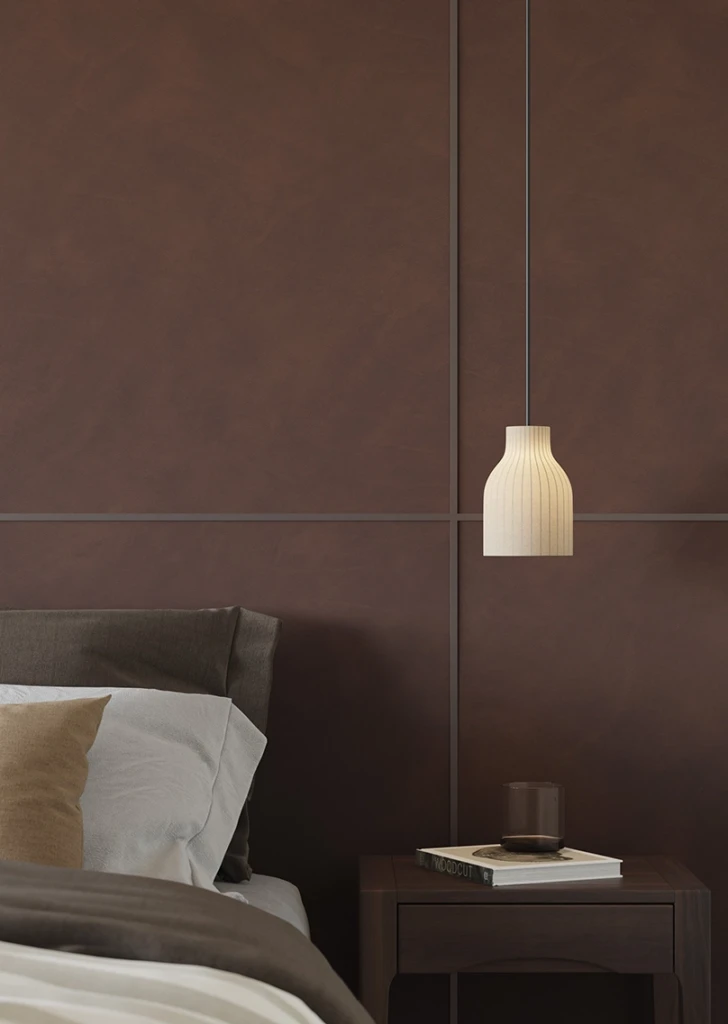
One example is Pelle, the new finish developed by Finsa from recycled leather. The material reuses scraps from the leather industry to create a decorative surface with a natural texture and applications in architecture and interior design. Beyond the aesthetic result, this type of development reflects a profound change within the sector: circularity is beginning to be incorporated from the design of the material itself, not only in the waste management phase.
In this way, new recycled materials are progressively integrated into industrial processes that previously depended almost exclusively on virgin raw materials.
The challenge of textile recycling
However, the transformation of waste into new materials also highlights some structural challenges. The growth in clothing consumption in recent decades has generated an increasing volume of textile waste that puts pressure on collection and recycling systems.
In Spain, various actors in the sector have warned of the risk of saturation of these infrastructures if the financing and management mechanisms are not strengthened. Furthermore, many current garments are made with fibre blends that make them difficult to recycle, which complicates the complete closure of the materials cycle. Faced with this scenario, the industry is exploring solutions such as new recycling technologies, advanced sorting systems, or ecodesign strategies that facilitate the recovery of materials from the source.
A new material culture
Beyond technical solutions, the transition to recycled materials also raises a cultural issue. For much of the 20th century, material innovation was associated with the development of new synthetic substances. Today, however, the challenge is to reimagine the materials that already exist.
At the intersection of technology, culture, and sustainability, a new generation of recyclable materials is emerging, defined by their origin, life cycle, and environmental impact. In this emerging material culture, waste ceases to be the end of one story and becomes the beginning of another.