Some stills are hard to forget. The cultural impact of film and television series shapes the collective imagination and becomes part of our lives in a way that very few cultural artefacts manage to achieve. To achieve that relevance, the images have to reach a certain transcendence and, therefore, audiovisual interior design fulfils an essential narrative function.
It’s not simply about decorating stages. The spaces in which the characters move inspire emotions, ideas, and conflicts even before they speak. What professional profiles are involved? The art director, in collaboration with the director and the director of photography, builds the aesthetic identity of the work: colour palette, architecture, textures, furniture and atmosphere. In the audiovisual universe, every detail has to tell a story.
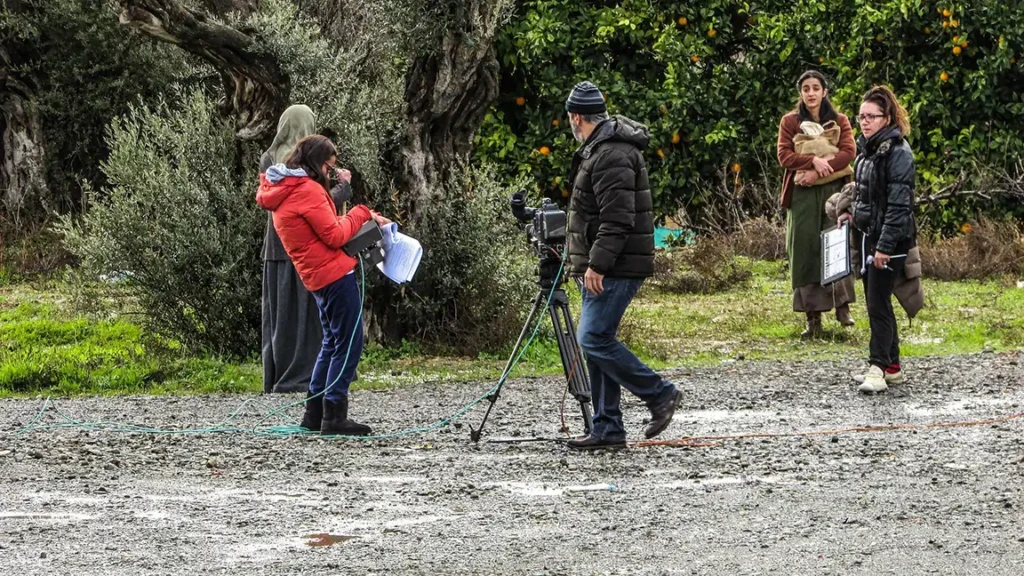
In contemporary series, interior design takes on even greater importance due to the extended duration of the stories. The spaces evolve along with the characters. An apartment can be gradually transformed to reflect social advancement, moral degradation, or a personal crisis. Thus, the set becomes a character that actively participates in the narrative.
The art direction also defines the historical and cultural context. In period productions, the research is rigorous: architectural styles, everyday objects and colour palettes must correspond to real references. “The norm in these productions is to use antique dealers, second-hand shops, auction houses or flea markets”, says Elia Robles Castrillo, art director. In science fiction or fantasy, on the other hand, the challenge is to create believable worlds from scratch, balancing innovation and internal coherence.
Interior designer work in audiovisual media
The work begins in pre-production with script analysis and the creation of mood boards. “Cinema draws from different arts. The first spark is ignited by the script itself, and then by what you can contribute from your cultural background”, says Robles Castrillo.
Next, sketches, plans and models are designed, and the construction or adaptation of locations is coordinated. During filming, the art team takes care of every detail, without forgetting the presence of the sustainability department, responsible for controlling the origin of the wood to ensure it is local and meets sustainability standards.
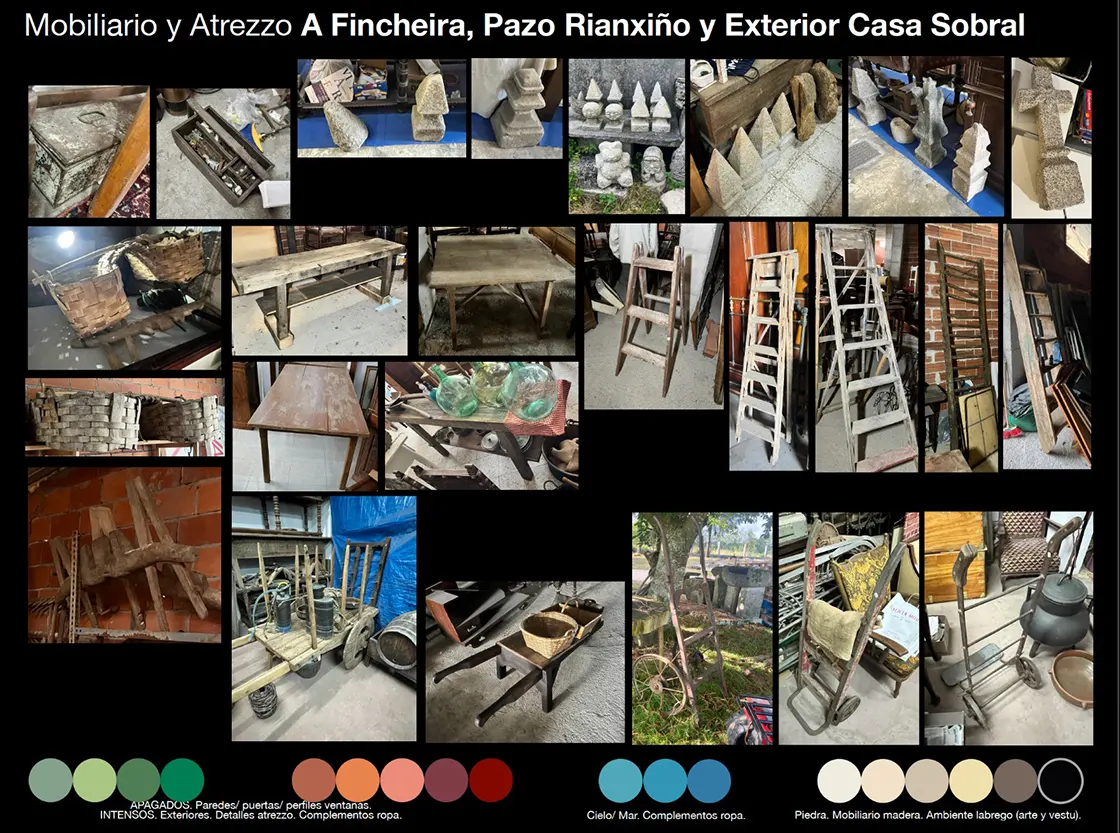
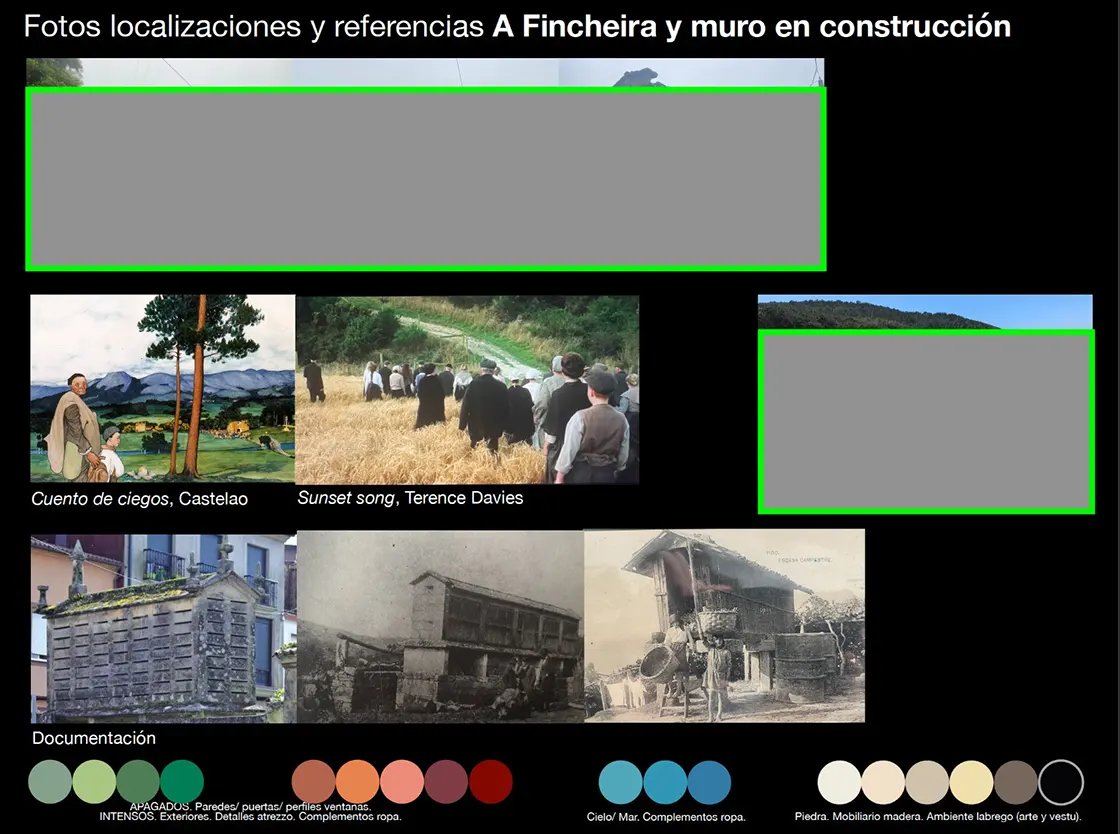
That is why, in period projects, moodboards are made up of stills from old films and historical documents that allow the historical period to be recreated without anachronisms. Among Robles’ works, the film Asteroid City by Wes Anderson stands out, where vibrant colours and artificial textures cater to the particular universe of the American director, carefully choreographed to convey a retrofuturistic and theatrical atmosphere.
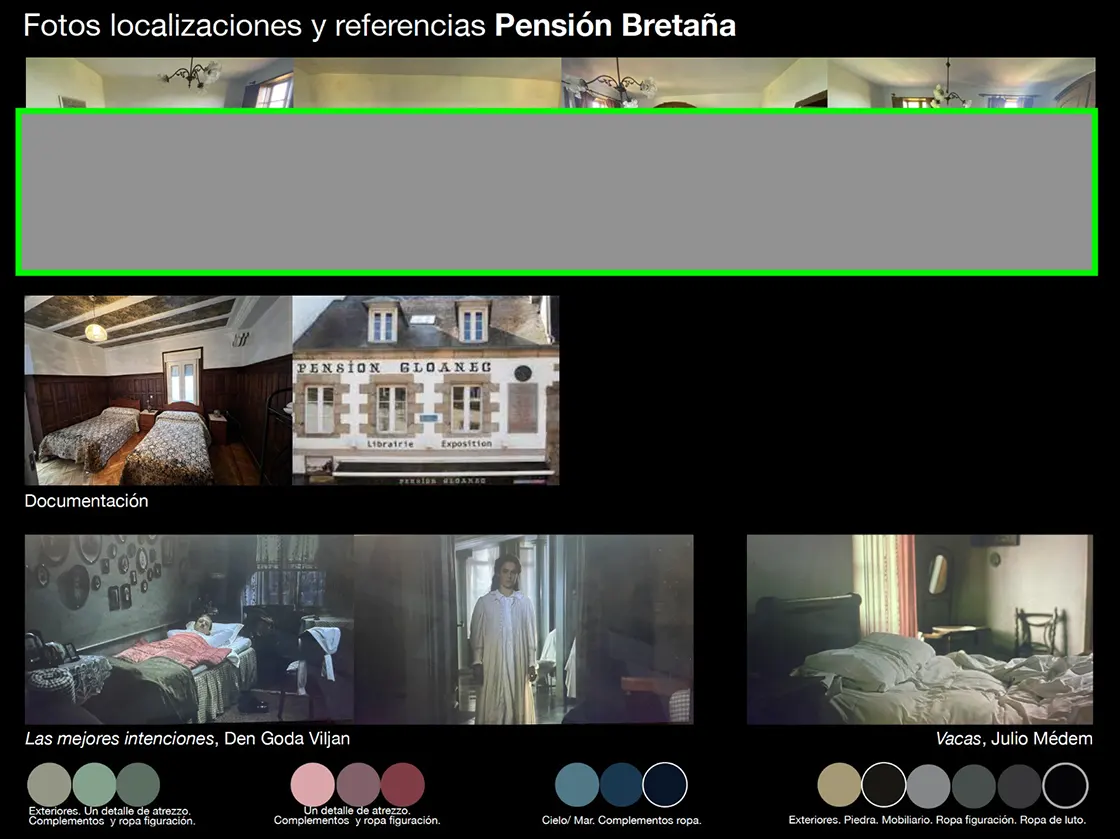
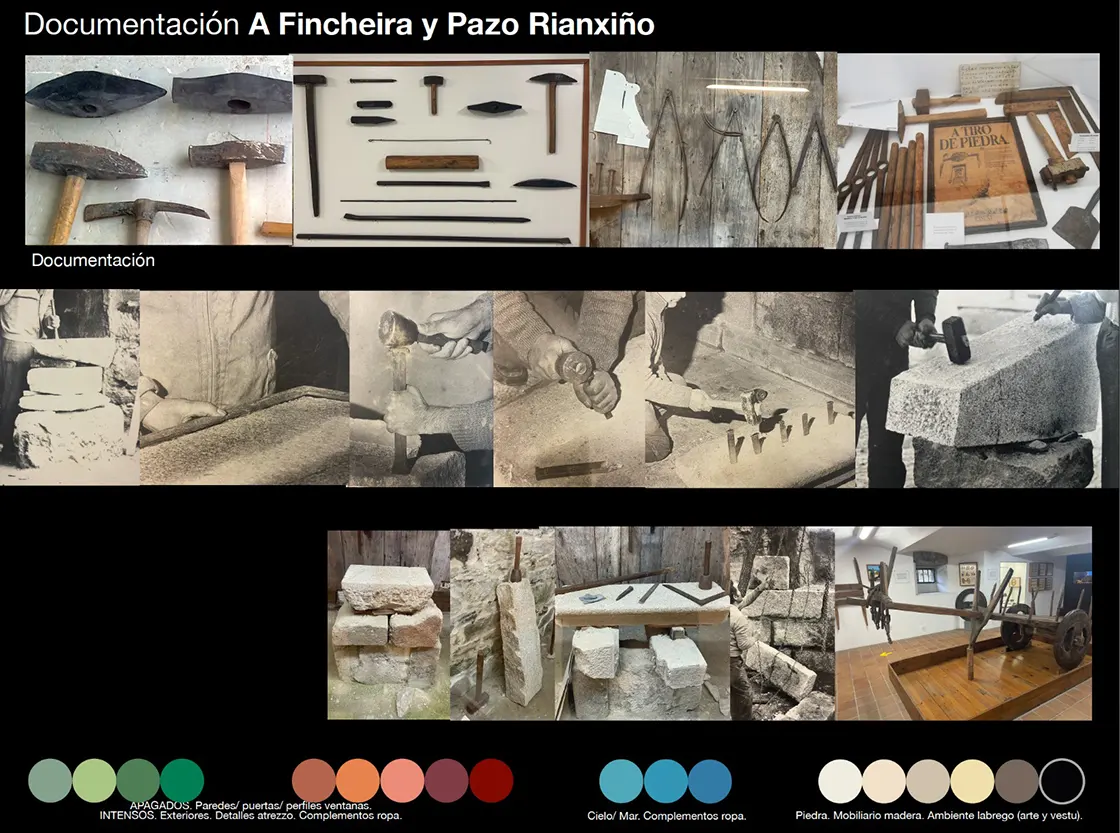
In projects like As Neves, they demand that the art direction move towards a more organic, sensitive and natural aesthetic so that the spaces seem to emerge from the everyday life of the characters and the Galician rural landscape.
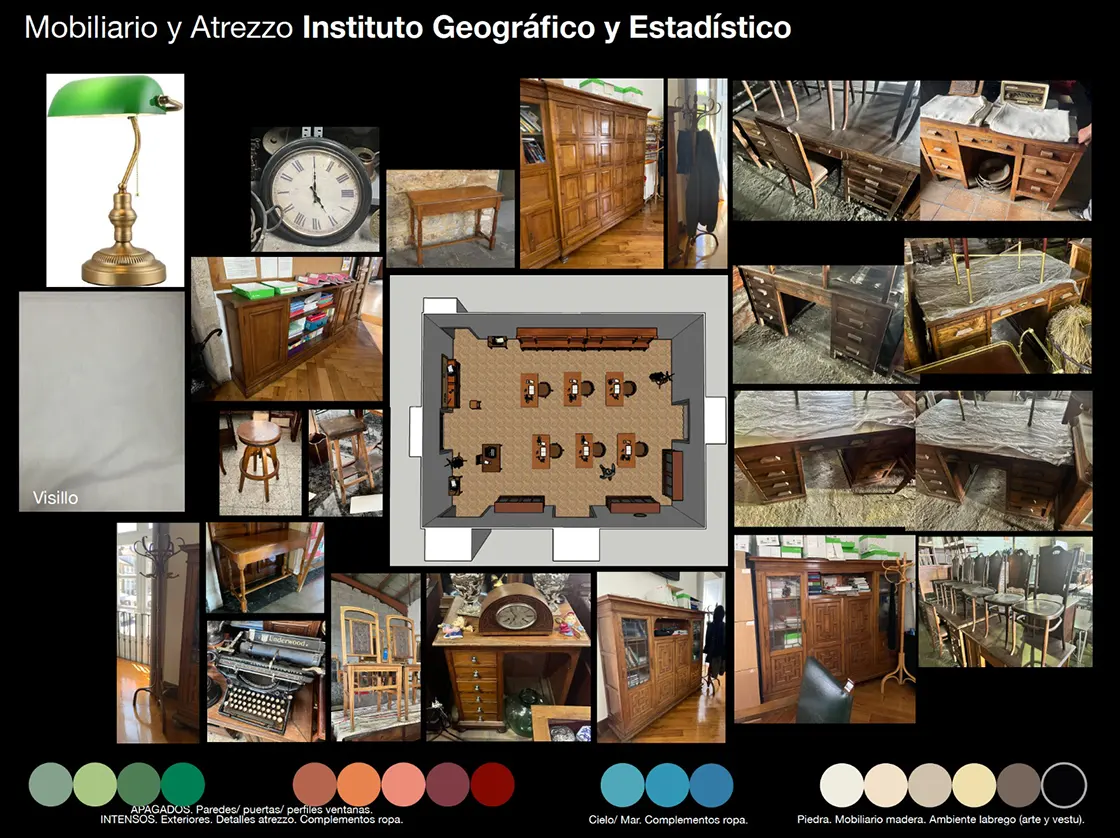
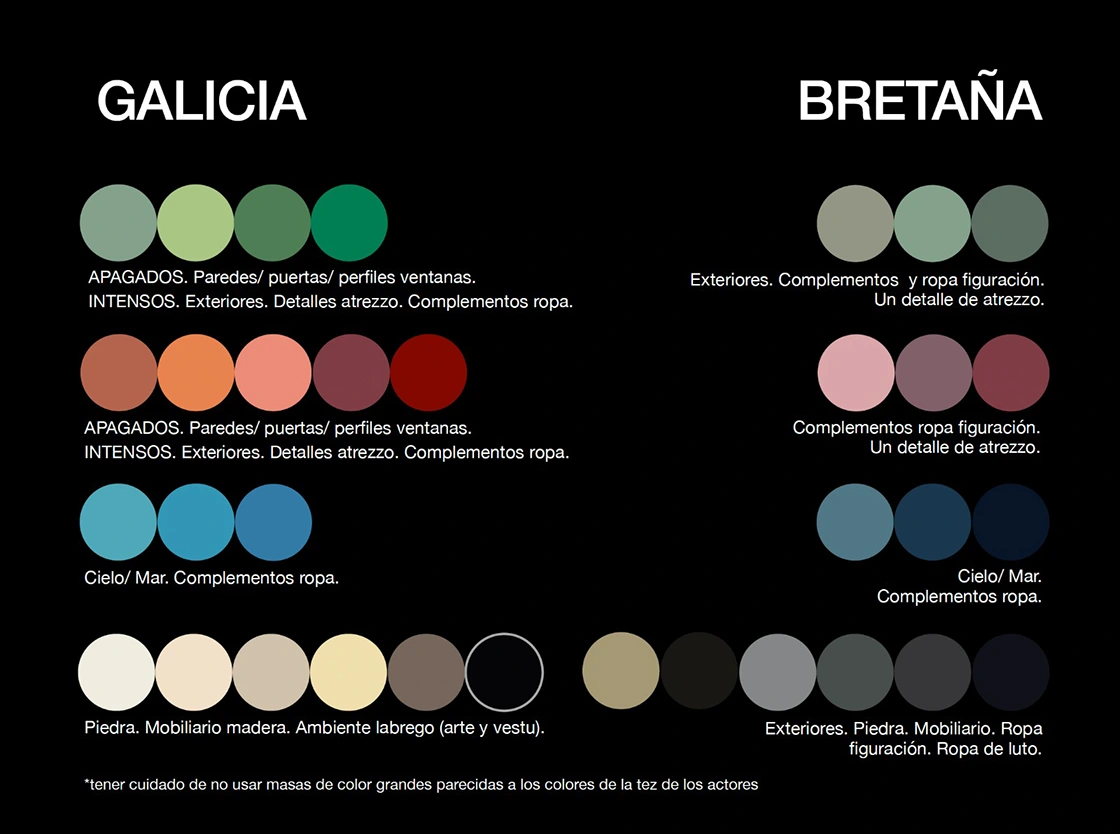
“Cinema draws on other arts, such as literature, photography, theatre and painting”, Robles points out, which is why art direction and interior design become fundamental narrative tools. Through the design of space, film and television construct invisible meanings that the viewer perceives intuitively, but profoundly effectively.