In 2026, interior design enters a stage marked by a more conscious relationship with materials and by the search for well-being through sensory experience. After years of minimalist interiors and uniform surfaces, there is a renewed interest in texture, visual depth, and materials capable of providing character without sacrificing sustainability.
In Connections by Finsa, we have addressed on several occasions the role of CMF -Colour, Material and Finish- in contemporary design. This year represents a natural step forward: an approach that integrates research, sensory perception, and material responsibility.
Industrial designer Noemí Cortizas sums up this change of perspective well: “Research in materials is becoming increasingly transversal. It’s not just about finding what’s new, but about understanding how colours, improved textures, and finishes evoke emotions and respond to an ethical and sustainable context”. Their vision marks the starting point for understanding where the CMF is headed in 2026.
Colour, an emotional tool
The standout shade for 2026 is Transformative Teal, a colour that ranges between deep blue and aqua green. Its immersive nature creates calm atmospheres and allows for more introspective interiors. The interior designer Francesc Rifé confirms this preference for denser, mineral tones: “We will continue to see deep greens, clays, warm greys and, in my case, blacks. These are colours that allow you to create more emotional, deeper spaces”.
Ver esta publicación en Instagram
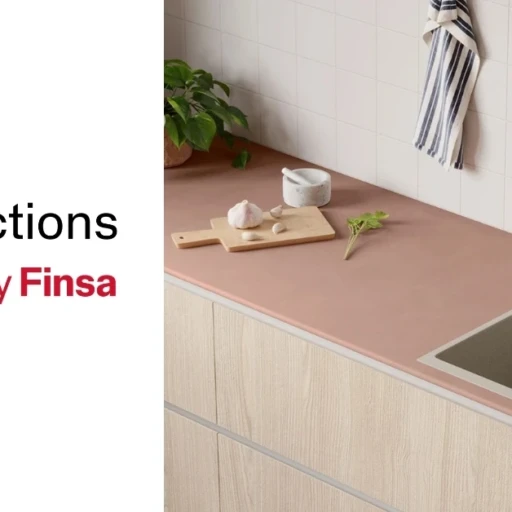
Alongside the trend, the application of colour as an emotional and contextual tool is maintained, as argued by DesignAgency: “Our use of palettes is not governed by time or trend. Right now, we love muted, nature-inspired tones, like terracotta or earthy greens, and how they harmonise with warm, natural woods”.
Ver esta publicación en Instagram
Textures, volume and authenticity
The evolution of CMF in 2026 focuses on materials that have a physical presence, modulate light, and provide visual density. Textured, wavy or hammered glass is becoming established as a sculptural resource in dressing rooms, enclosures and lighting fixtures, offering soft illumination.
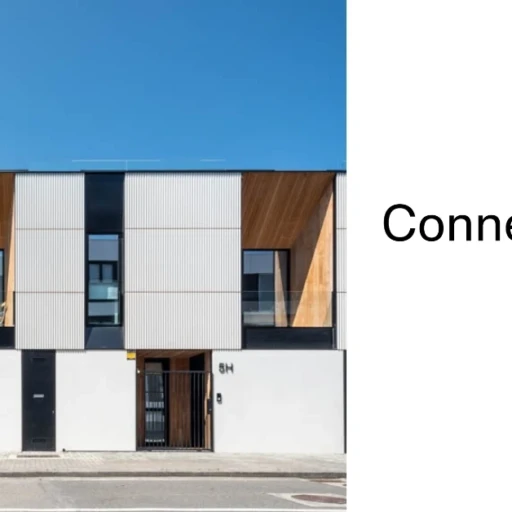
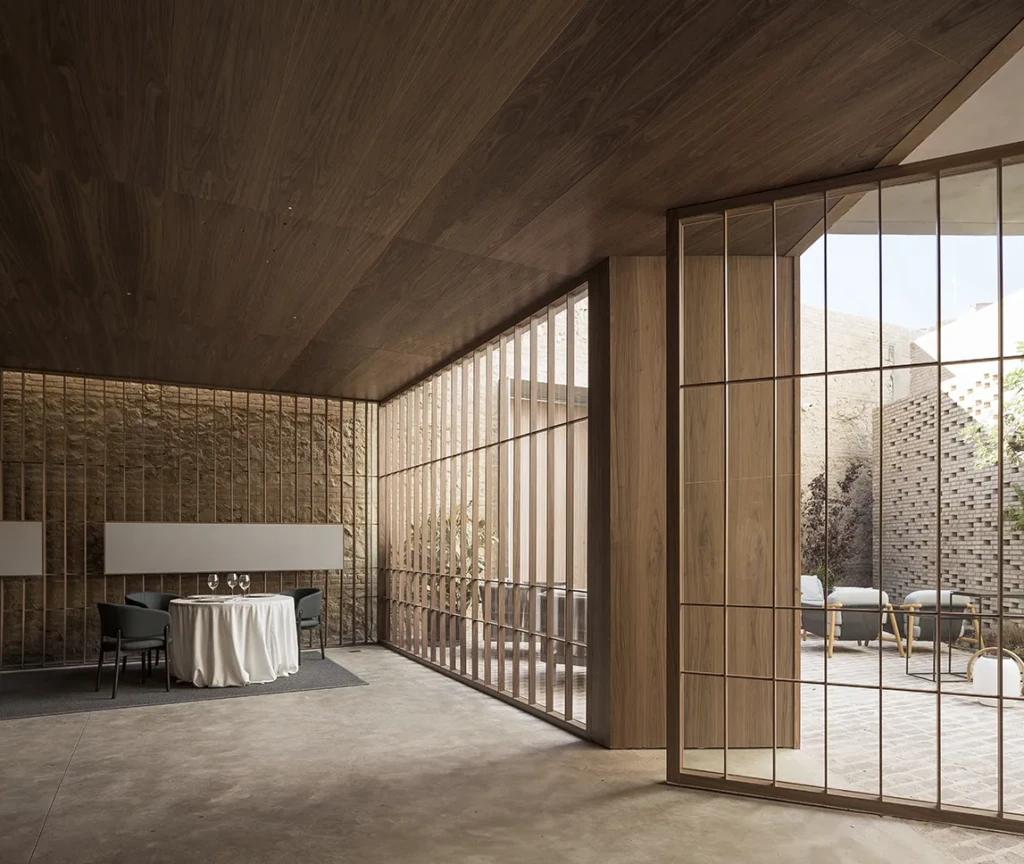
Wood –in species such as walnut, elm, marked oak or worked pine- gains prominence from a more honest logic: visible grains, natural reliefs and finishes that show its origin. Betsaida Curto, architect and founder of Estudio Copla, sums up this approach clearly: “There are materials that never go out of style. We are great advocates of natural products and using the true nature of the material. One of our favourite materials is wood; we believe it will never go out of style because it always provides a warm and homey finish”.
Their commitment to proximity also indicates a relevant nuance for 2026: “We are committed to materials from local resources; therefore, the same ones will not be used in Galicia or in Cáceres; in each place, we have to investigate what the nearby resources are and learn from those that have always been used”.
At these zero kilometres, Baccari brings a perspective focused on personalisation: “We value suppliers who offer personalisation in their standard finishes. This allows us to collaborate on producing exclusive products for our projects”. The handcrafted ceramics, with variations in colour, shape, and texture, complement this search for expressive materials, not from nostalgia, but from uniqueness and tactile quality.
Closing the circle, Rifé is committed to combining wood with stone, fabrics or metal, as well as technical materials with texture and more responsible processes.
Contemporary comfort
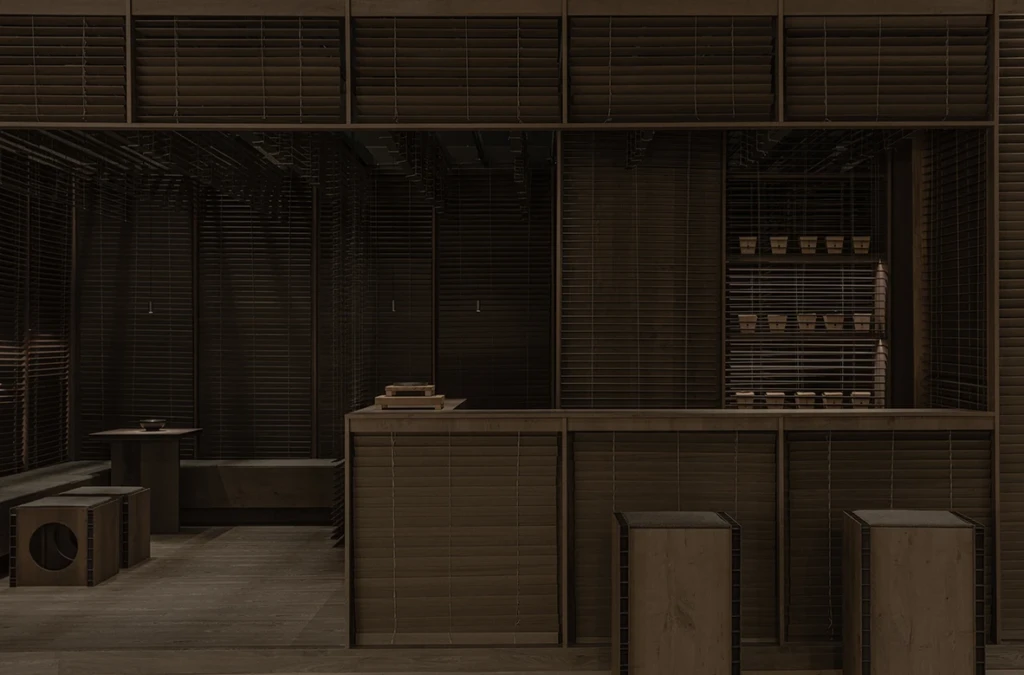
Comfort is redefined in sensory terms. Straight lines lose prominence in favour of more organic shapes: rounded sofas, cocoon-like armchairs, volumes that invite you to linger. This trend extends to tables, lamps, and auxiliary pieces that adopt softer contours.
Textiles reinforce this idea of structured well-being. Bouclé wool, ribbed velvets, heavy linen, or recycled fibres are used for their ability to provide texture, thickness, and warmth without sacrificing elegance.
Rifé once again places sensory experience as a fundamental criterion: “Design is not just visual. Texture, weight, temperature, or the way a material receives light influence how we inhabit a space. I look for surfaces that convey warmth and authenticity, rather than an immediate impact”.
And, for DesignAgency, that sensory experience also has a direct emotional component: “Emotion is key! As interior designers, we are responsible for conceiving the ‘final layer’ of the project”.
Sustainability based on proximity and permanence
Sustainability is understood in two complementary ways. For Curto, the key lies in material proximity: working with local resources to reduce impact and reinforce identity. For Rifé, on the other hand, sustainability is based on real durability: “A sustainable material lasts, ages well and does not require frequent replacement. What is truly sustainable is what withstands the test of time”. Baccari completes this framework with a pragmatic vision: “We accept the challenge of creating solutions that reuse, reinvent, or integrate existing elements to give them new life and prevent them from ending up in landfills”.
This threefold perspective –the near and the lasting– synthesises the maturity of the CMF in 2026: the value lies not in novelty, but in the coherence between material, context and use. The selection is no longer based solely on appearance, but on a surface’s ability to age gracefully, integrate into different life cycles, and maintain its functionality over time. This perspective shifts the focus from ephemeral trends to a more thoughtful approach to design, where every choice also carries a responsibility.
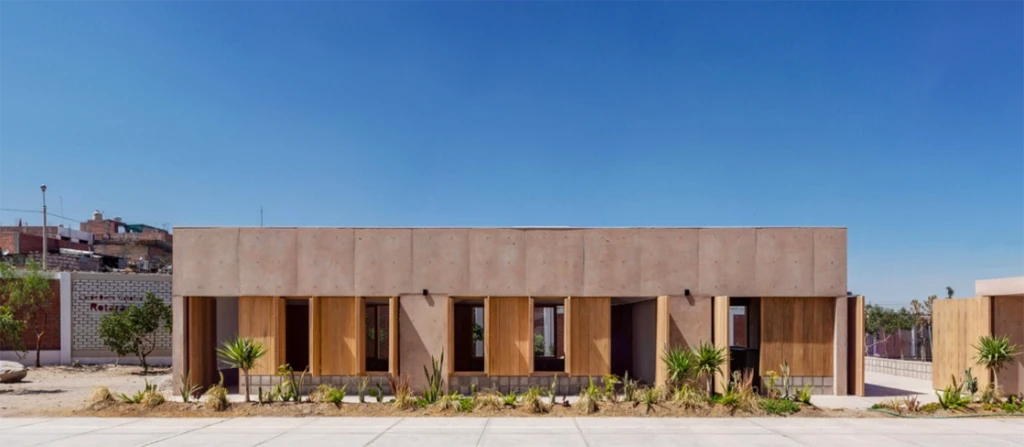
For architecture and design professionals, this combination represents a paradigm shift: it is no longer just about incorporating “the new”, but about deciding what makes sense to maintain, what adds real value to the space, and what contributes to a more conscious use of resources.