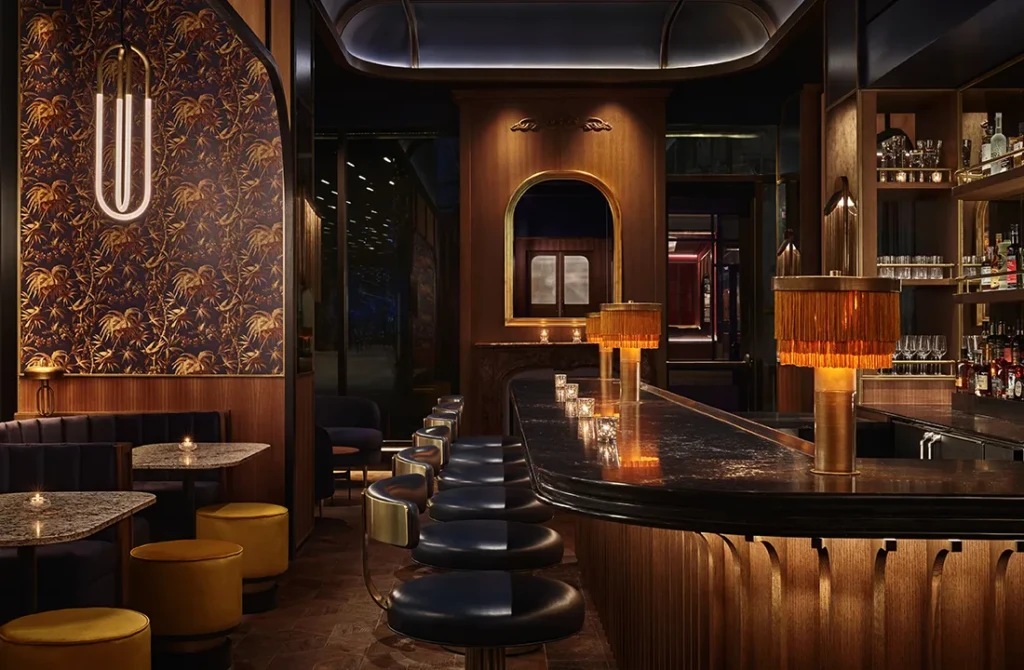
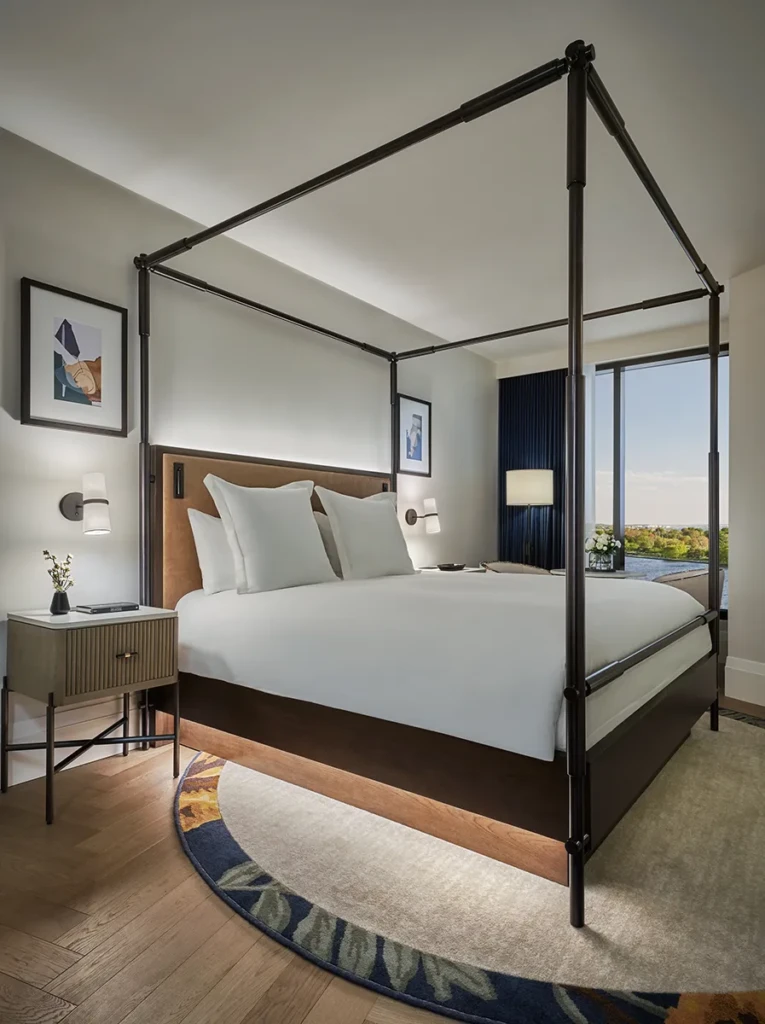
Few studios bring together such a global and multicultural perspective as DesignAgency. They have developed projects in hospitality, retail, and residential areas in collaboration with suppliers, artists, and craft professionals, which also translates into a profound perspective on spatial design. We spoke with its three partners— Matt Davis, Allen Chan, and Anwar Mekhayech —to learn about their motivations and share their vision of interior design and living.
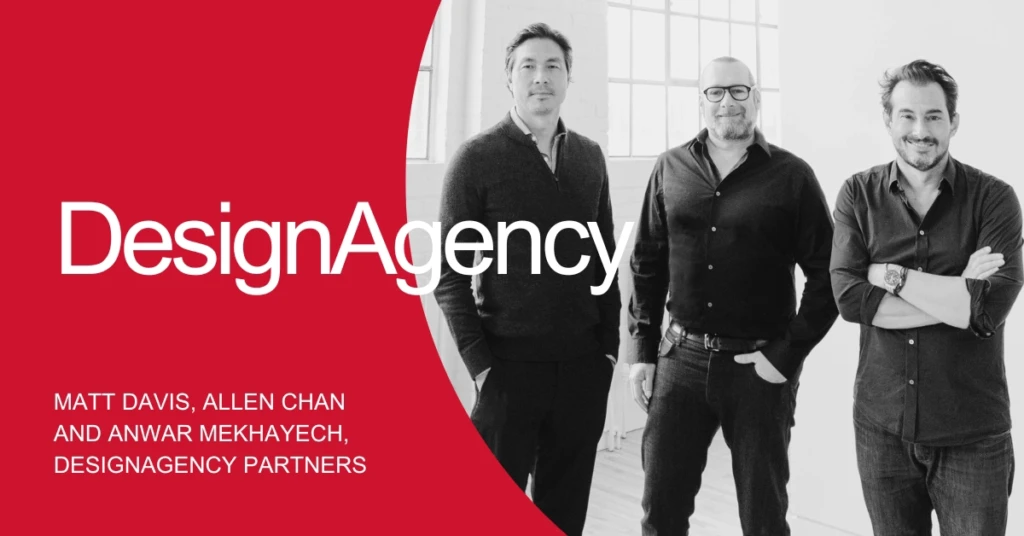
DesignAgency has been in business for over 25 years with offices in Canada, the United States, and Spain. What’s your assessment of these two decades of work, and what does it mean to have teams in these three countries?
MATT: DesignAgency was born in Toronto from the friendship of the three founders and our shared passion for design. We continue to work together every day, driven by the desire to make each project better than the last. The Canadian spirit of multiculturalism is reflected in all satellite studios, creating a larger group of professionals who may be divided by geography but are united in their belief in the values fundamental to our practice: excellence, collaboration and curiosity.
ALLEN: Our studio is global. We collaborate across time zones every day. This helps us understand our customers’ needs regardless of their location and allows us the flexibility to tailor our activities to respond to regional market trends and challenges.
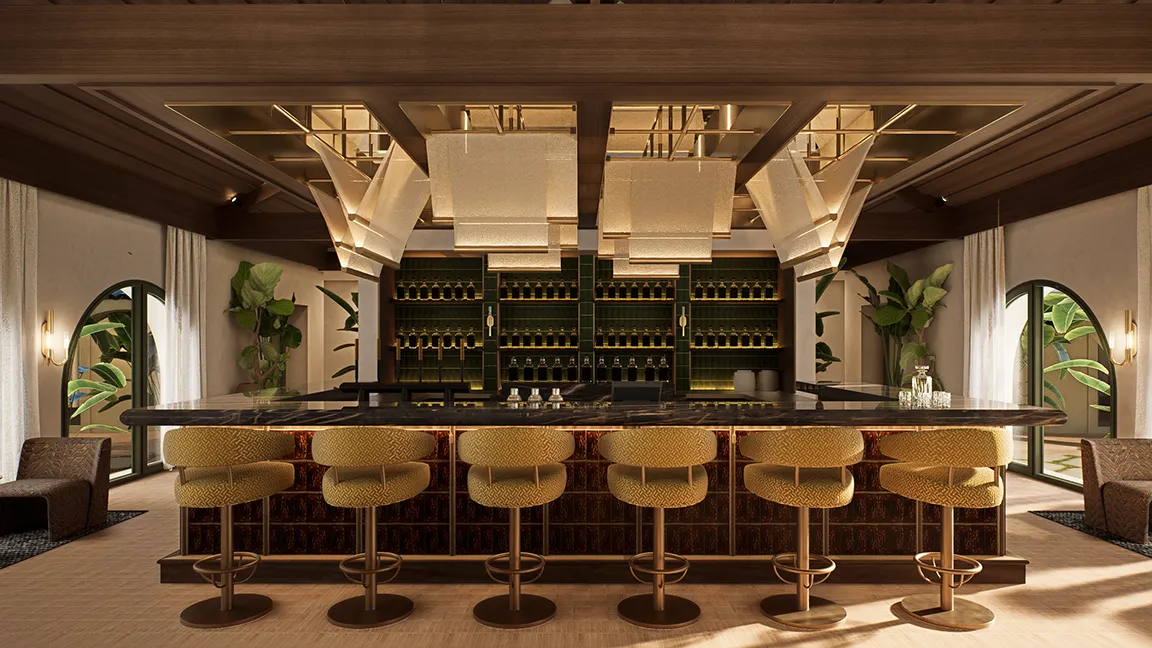
It may be difficult to ask you to highlight any of the many awards you have received …
ALLEN: In recent years, we have been very pleased to be recognised by the editors of INTERIOR DESIGN magazine with inclusion on their lists of the top 100 design and hospitality giants. The publication is highly respected in our industry, and being in such excellent company alongside other global firms on those lists is a true testament to the designers across all our studios.
ANWAR: Without a doubt, the collection of awards we earned for our early work for Generator, creating design-led, affordable hotel experiences that defined the brand across Europe, helped us establish ourselves on a global scale, paving the way for exponential growth. When we received the Architectural Record’s Good Design is Good Business award, it motivated us to leverage this strength within our studio and adopt that mantra as one of our core values.
MATT: The best reward we get is when a previous client comes back to us for their next project, and the one after that, and so on. Some of our client relationships date back more than a decade and have deepened over multiple projects thanks to the collaborative process at the heart of our practice. Sometimes the work itself is the reward.
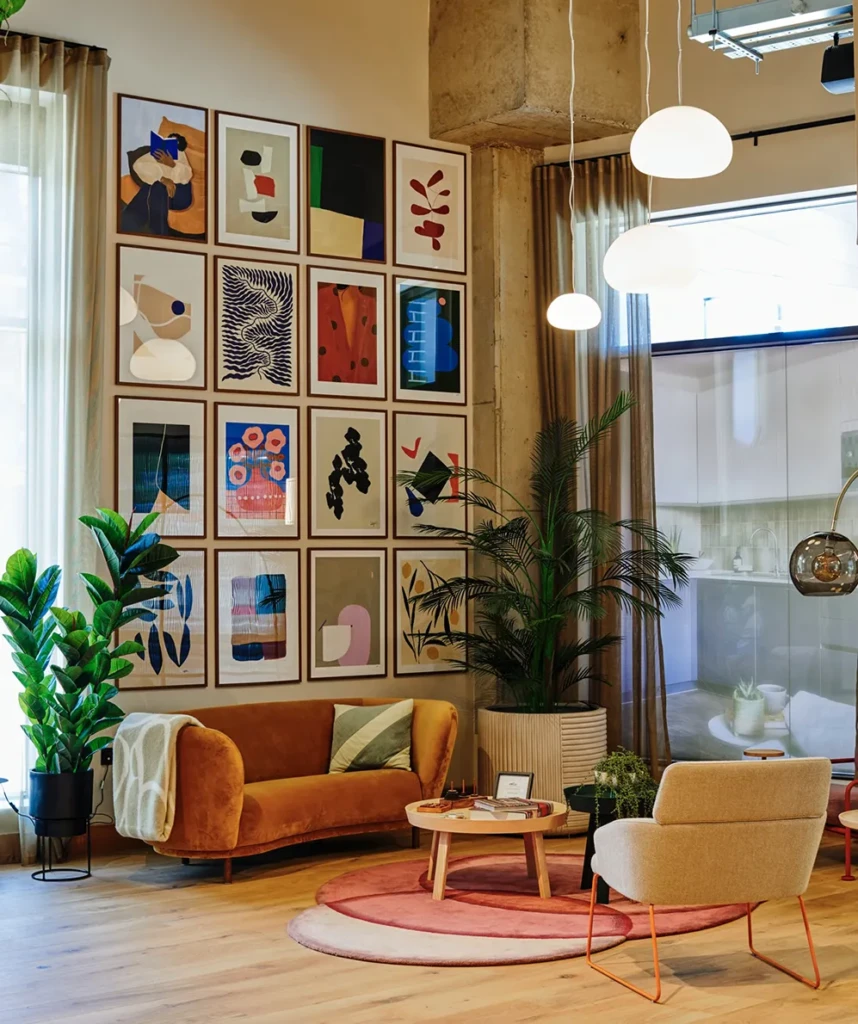
In addition to interior design services, you develop custom objects and installations through a network of collaborators. How do you enhance these highly personalised, almost handcrafted elements?
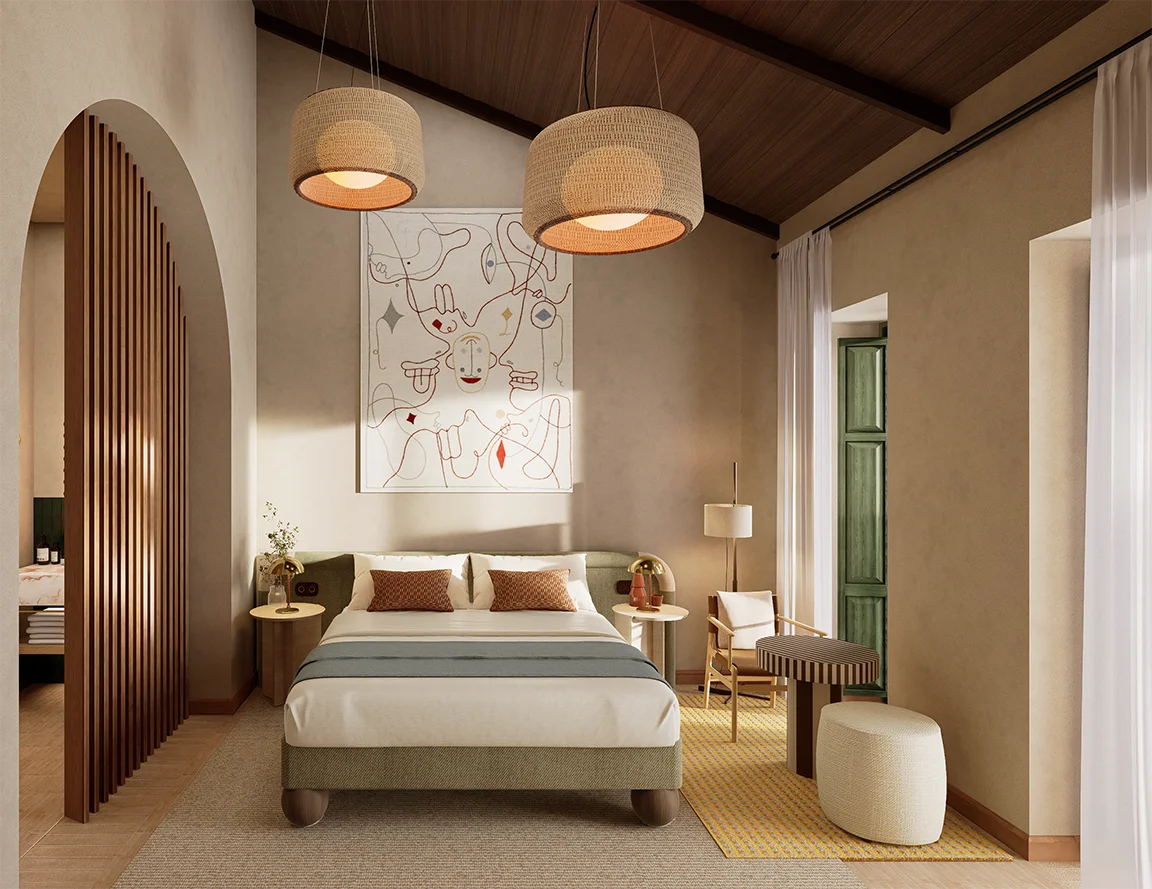
ALLEN: Our clients don’t come to us for predefined designs; they rely on us to deliver highly customised concepts that will help them achieve their business goals. We believe that the path to business success lies through great design. Each project offers a new opportunity for our designers to unleash their creativity and innovate. The structure and processes of our in-house design team encourage exploration of new ideas and experimentation with materials.
From there, we engage our global network of artists, artisans, and makers to work with us to bring the vision to life. These creations become memorable elements that make the environments we create magnetic. Magnetism sparks media interest, which makes projects stand out, inspires return hotel bookings, prompts restaurant guests to tell their friends, goes viral on social media, and prompts people to want to rent or buy the homes we design. These custom elements are integral to the success of our completed projects.
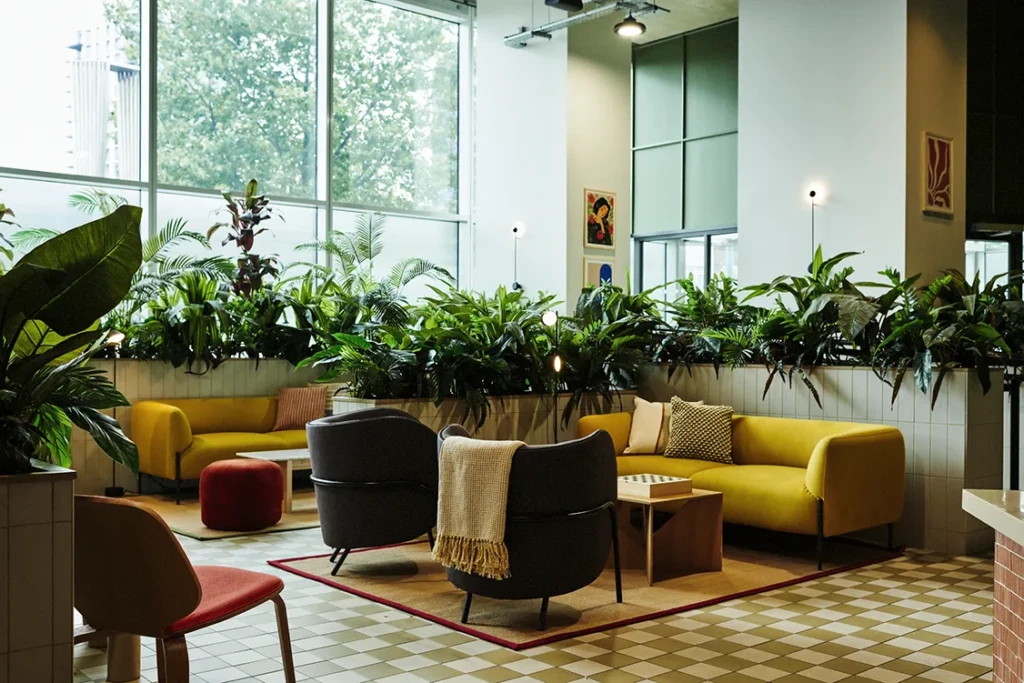
You implement solutions in the retail, residential, and hospitality sectors. Which of these segments has the greatest potential today, and where are you seeing opportunities?
ANWAR: We have always been a global design studio focused on hospitality. We believe that through the design, creation, and curation of hospitality-driven concepts that bring people together, this sector will provide the greatest opportunities as end-users crave connection and experiences.
ALLEN: Because we are a global studio, we are attuned to growth opportunities and challenges that may be specific to each region and can adjust our business development activities accordingly. Additionally, since we operate across multiple industries, we are experts at incorporating concepts and practices from one sector to another to create unique experiences. For example, we leverage our hotel design expertise to include resort-style amenities in our rental and condominium projects, making residents’ daily lives feel like a stay in a designer hotel. In the hospitality industry, we’re creating indulgent environments and experiences that are redefining luxury for today’s travellers. We see great growth opportunities in this area of hospitality and have several projects in progress that allow us to further develop these concepts.
What project has been your greatest pride and why?
MATT: Our greatest pride is the longevity of our firm—more than 25 years—and the significant opportunities for fulfilment and development it has created for our team members around the world.
ANWAR: On the client and project side, we are pleased to have built long-standing collaborative relationships with corporate and development pioneers and giants alike, from celebrity chef David Chang of Momofuku and Soho House founder Nick Jones to international brands such as Four Seasons, Montage, Pendry, Hilton, Accor and Hyatt.
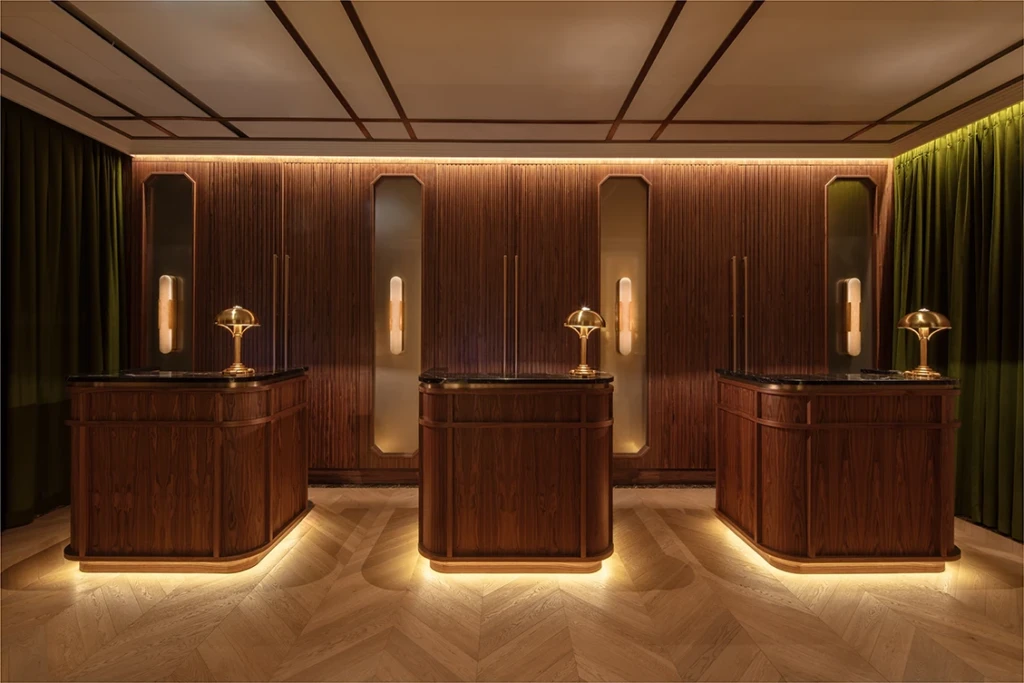
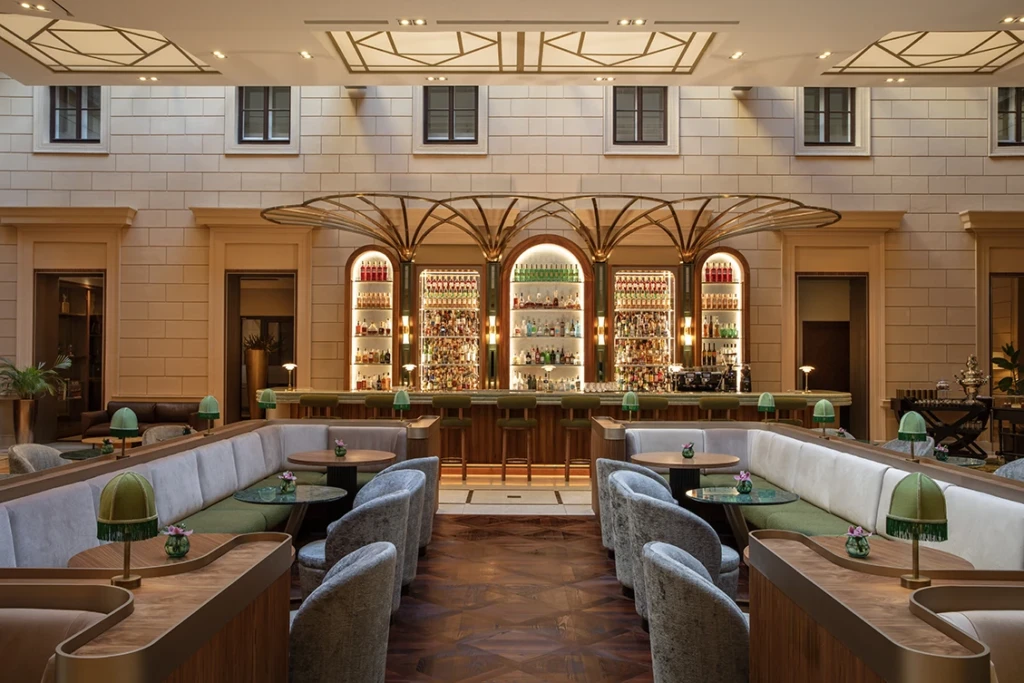
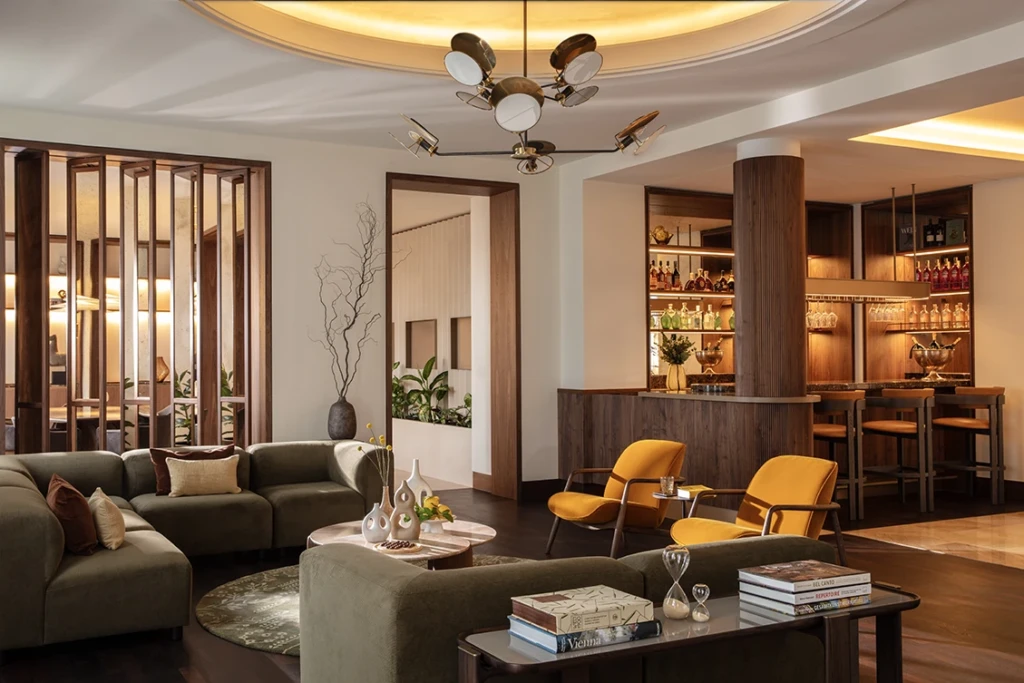
Where is hospitality design going?
ANWAR: We see a trend toward blurring the lines between residential and hospitality design. Remote work is now a possibility for millions of people, giving rise to the digital nomad lifestyle, meaning you don’t have to be tied to one location by home ownership or old-fashioned rental agreements. The inclusion of social, wellness, and workspaces within rental and condominium developments creates many opportunities for residents to connect with their neighbourhoods. On the other hand, many hotel guests seek retreats where they can relax and disconnect from technology while reconnecting with their own sense of well-being and enjoying the ultimate luxuries of time and nature. We deliver these experiences by creating environments shaped by cutting-edge tools (such as lighting design), research into proven spa therapies, and the latest design materials.
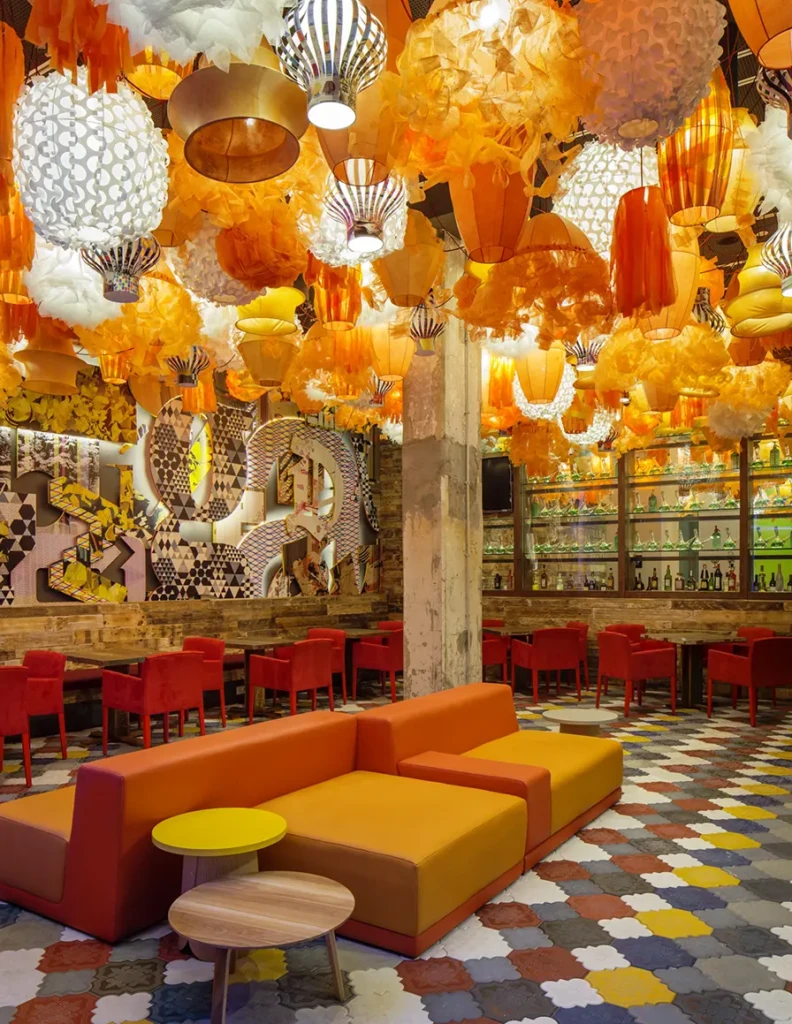
How do you conceive a hospitality project?
MATT: Listening and researching are two of the most important first steps for any project. We listen to our clients’ goals and challenges, we listen to the market, and we conduct research to learn more about the realities and possibilities ahead. The spark that inspires a project concept can come from countless sources. It could be existing architecture, surrounding landscapes, an emotion, a client’s personality, or a combination of these. We approach the design process with an open mind and no preconceived ideas, but we always try to respond to the local context so that the project fits comfortably into its broader community: neighbourhood, city, country.
Our goal is always to offer the best version of our clients’ brand or ideas. Over the years, we found that achieving this goal often led to an expansion in the scope of our projects to include strategic positioning and creative services such as naming, logo creation, and complete visual brand identity packages. These opportunities prompted us to formalise the growth of our service offering with a dedicated team of brand identity creatives within our studio. This capability allows us to create seamless 360-degree brand experiences.
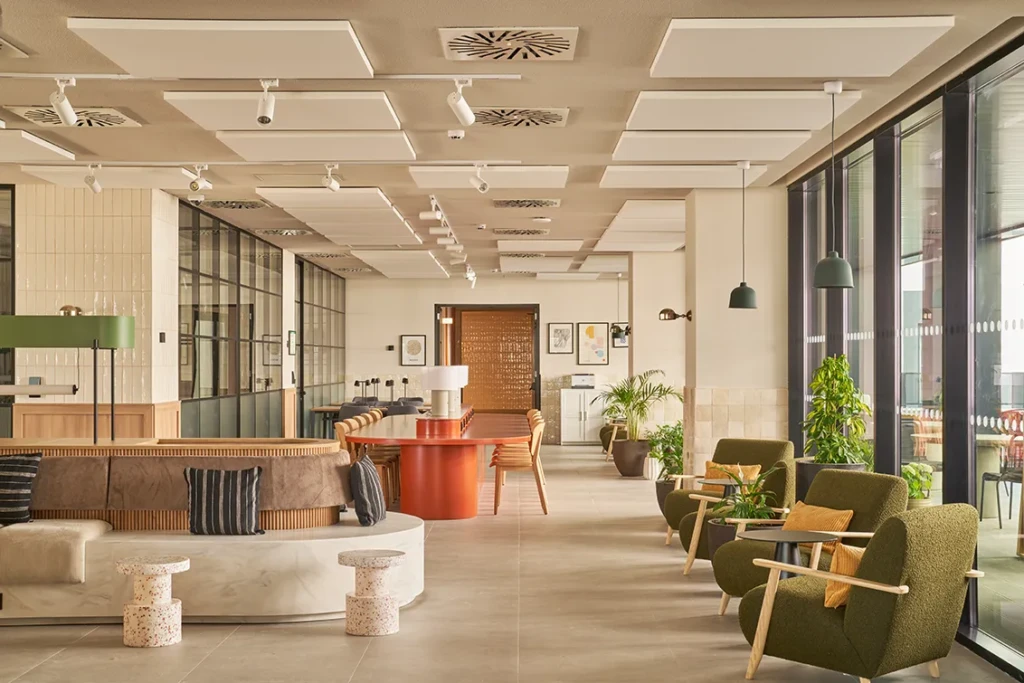
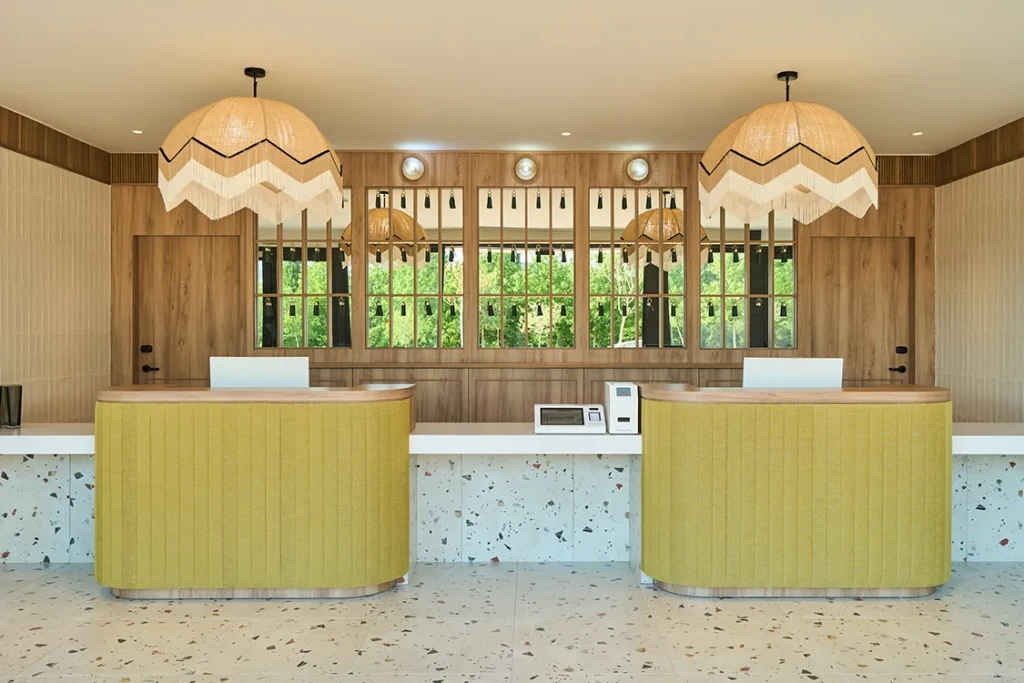
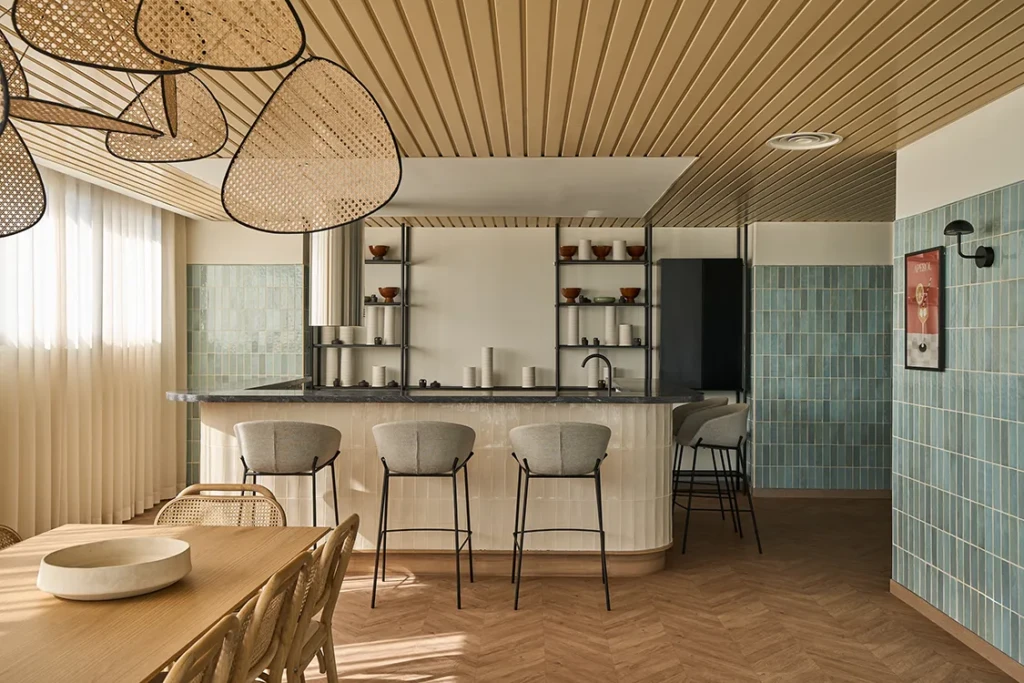
What impact do you hope visitors will have on the Finsa space you’ve designed at Interihotel, and what use of materials would you highlight?
ANWAR: The Finsa pavilion at Interihotel 2025 is a synthesis of many elements. First, we wanted to reconnect with the essence of the brand, wood. That’s why we wanted to reproduce a forest that multiplies thanks to reflective surfaces. Furthermore, considering the latest trends in hospitality, we created a version of a cabin in the woods, a common typology in the Nordic countries, which serves as a tranquil refuge in which to enjoy the purity of the forest. The desire to connect with nature and landscapes is a trend we see growing in future hotel projects. Naturally, wood is the central element of the experience, and our design showcases its multiple shapes, tones, and textures, as well as its life cycle and aesthetic possibilities. We hope visitors feel like they’re forest bathing, even if only for a few moments.
What materials do you consider essential in today’s architecture and interior design?
MATT: While it’s true that we have more high-tech solutions available every day, we’re also seeing a return to the simplicity, integrity, and authenticity of natural materials like wood, especially in more premium projects. As sustainability rises on the list of project priorities, the demand for renewable, biodegradable, and recyclable materials is increasing exponentially.
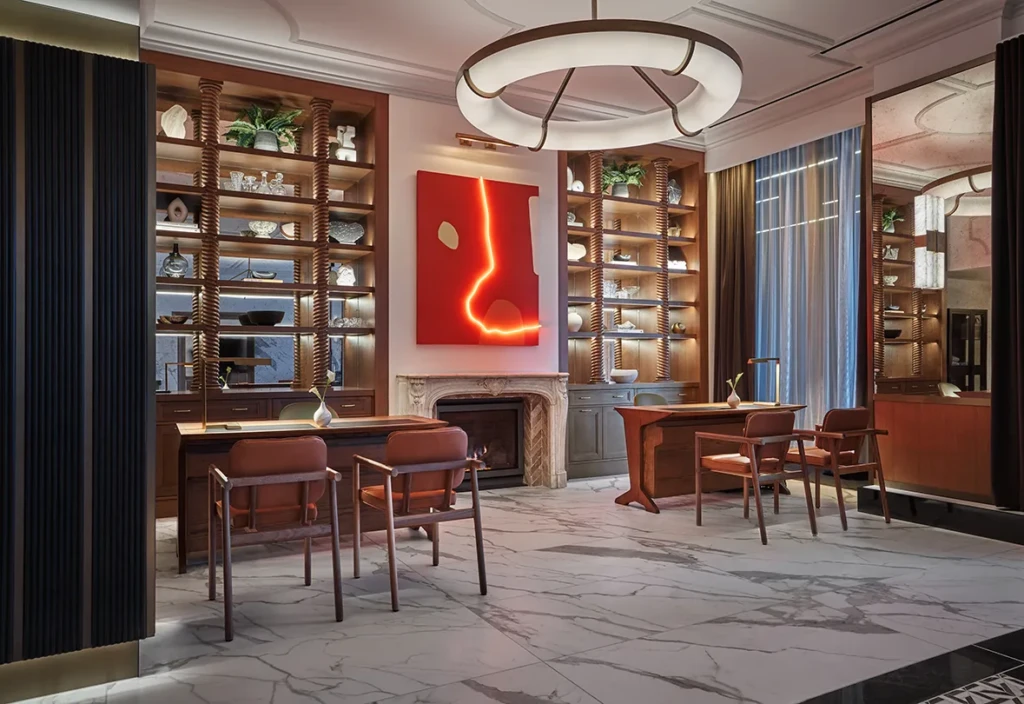
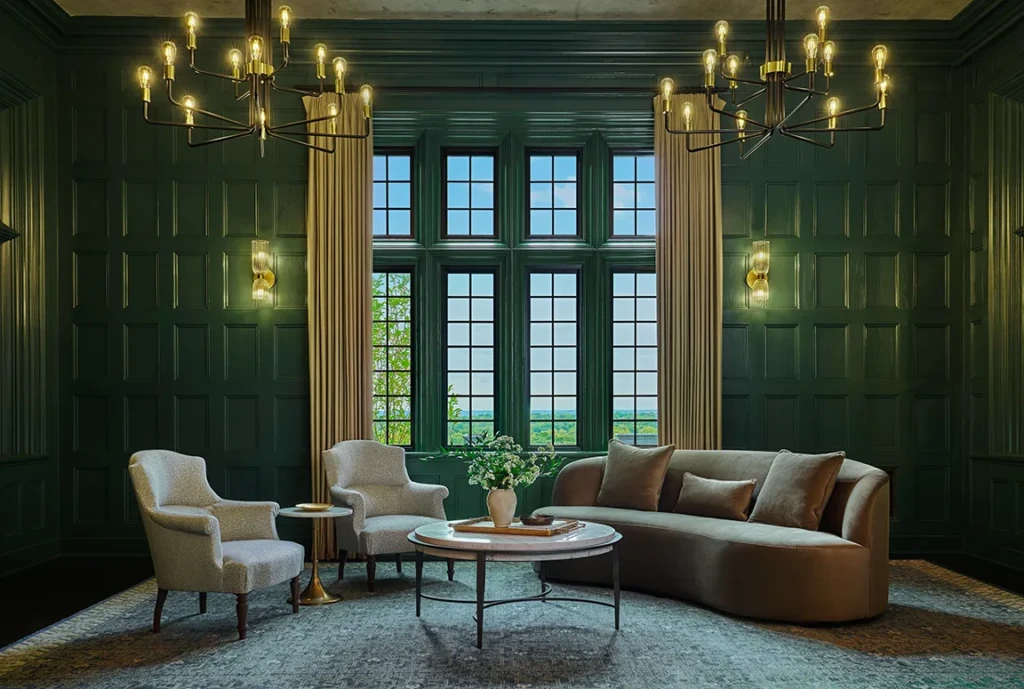
What do you value in a materials supplier? How can it help you design the project you have in mind?
ALLEN: We’re pleased to see many suppliers making progress in sustainable practices, such as limiting water consumption, recycling, and using clean energy sources. These are initiatives that we value and that influence our choice of partners and suppliers. We also greatly value the availability of a variety of materials at different budget levels to suit our diverse projects. And, as we are always interested in creating customised solutions for our customers, we appreciate suppliers who can help us deliver on that promise by adapting existing products to meet our specific requirements or working with us to create new ones.