From nomadic tents to exhibition pavilions or tensile roofs, the use of textiles in architecture and interior design evoked lightweight structures, quick to assemble and designed for a limited time. They were practical, ingenious solutions with a strong cultural component, but they were not associated with the idea of permanence or durability.
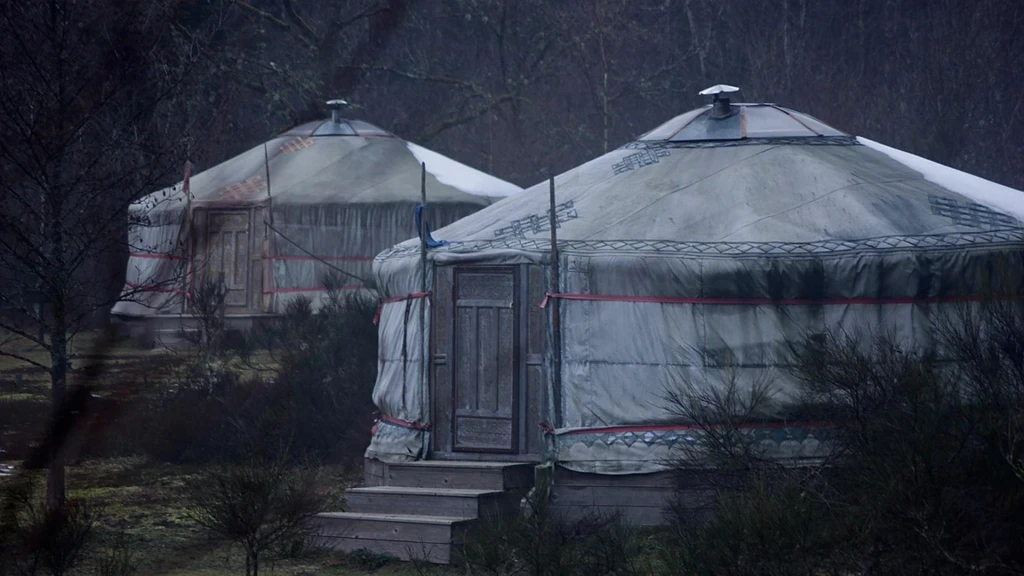
Although it may seem like a recent concept, textile architecture has its roots in history. Ancient civilisations already used skins and fabrics as construction resources: Mongolian yurts, for example, were light, easy to assemble and transport, and adapted to an itinerant lifestyle. The essence was the same as today: versatile structures, lightweight per square metre, and capable of responding to changing needs.
That perception, which associated textiles with the ephemeral, has changed radically in recent decades. Textile architecture is no longer understood as a modality capable of transfiguring spaces in a stable, sustainable and aesthetic way. It not only protects, but it also defines and has gone from being a marginal speciality to occupying a growing place in residential, corporate, and commercial projects.
The evolution of architecture and textile interior design
The transformation of textiles into habitats has been progressive. Initially, fabrics were incorporated into large, unique structures: stadium roofs, open-air auditoriums, and exhibition spaces, among others. Technical advances in tensioned membranes, high-strength fibres, and waterproof coatings made it possible to create icons that demonstrated that fabrics could compete with steel or glass in lightness and versatility.
The arrival of modern textiles, such as synthetic fibres and high-tech coatings, has consolidated this evolution. ETFE stands out as a transparent, resistant, and lightweight compound that has revolutionised the design of roofs and facades. These materials not only withstand the elements better but also allow for complex and flexible geometries, opening a range of creative possibilities.
The qualitative leap came when textiles were introduced into everyday life. Homes, offices, hotels, and even educational spaces began to incorporate textiles not only in soft elements such as curtains or upholstery, but also in architectural surfaces: panelling, cladding, headboards, closet interiors, and even ventilated facades.
From furniture to textile architecture
Nowadays, textiles in architecture and interior design are used in multiple contexts:
- Interior coverings: provide visual and tactile warmth to walls, headboards or wardrobe backs.
- Integrated furniture: a wardrobe or drawer can be finished with a textile surface, creating aesthetic continuity with other upholstered elements.
- Collective spaces: hotel lobbies, waiting rooms, and coworking areas use technical fabrics to improve acoustics and offer a much more welcoming feel.
- Facades and roofs: technical textiles are used as membranes or solar filters, creating second skins that control radiation and reduce energy consumption.
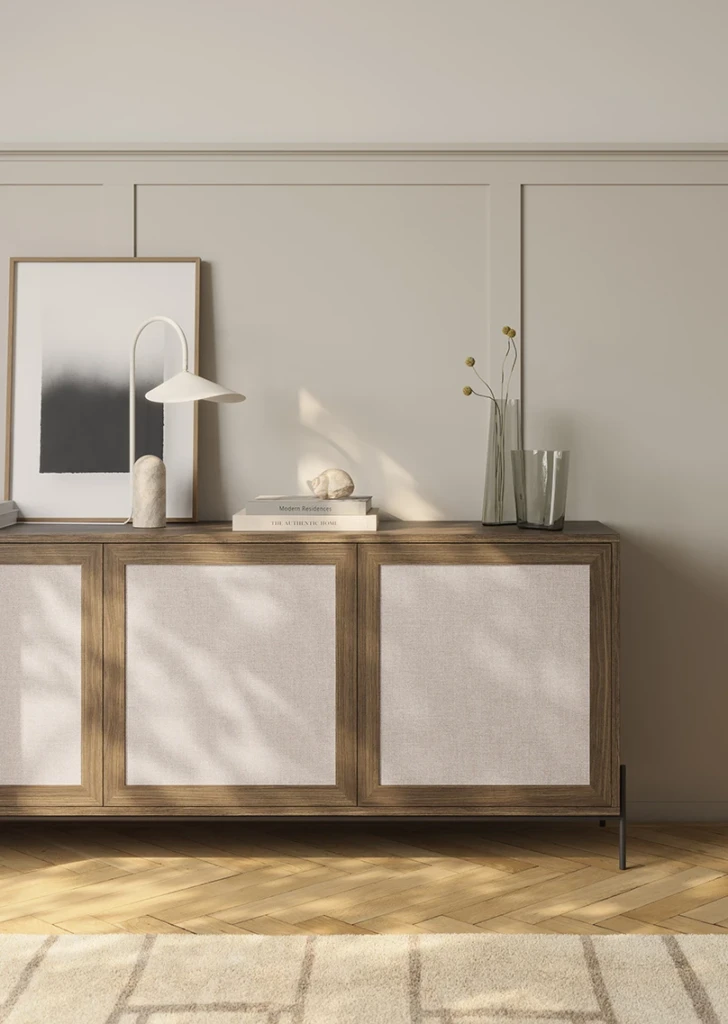
One of the latest developments in the sector is the arrival of the Habitat 360 ecosystem, a solution that integrates the new Fabric range. This range includes textile and recycled leather finishes already applied to the board, allowing the warmth and texture of a fabric to be brought to surfaces such as wardrobes, headboards, bathroom vanities, or even furniture pieces upholstered in the same material.
Within Fabric, Linum stands out, a textile finish from the world of upholstery. It provides a unique sensorial character, with applications ranging from dressing room interiors to decorative panelling and furniture. A proposal that illustrates how textiles have become materials capable of uniting design, comfort, and sustainability.
Claiming sensoriality
At a time when spaces are expected to convey comfort, textiles offer a unique advantage. A board finished in textile offers a more human experience, linked to everyday life: reminiscent of a sofa at home, the upholstery of a chair, the texture of a garment. Precisely, something that the Fabric range allows you to do: request the material to upholster any element.
In addition, they can change the atmosphere without the need for complex work; a textile covering can improve the acoustics of a meeting room or transform a bedroom into a warmer, more enveloping space.
Be very tactful with sustainability
Recent innovation has gone beyond the sensorial. The great revolution of architectural textiles is their connection with sustainability. The industry has learned to recover recycled fibres, to reconstruct leather from waste from sectors such as footwear, to use plant-based adhesives and to reduce unnecessary chemicals in the dyeing processes. This completes a virtuous circle: materials that were previously considered waste are now transformed into surfaces with high aesthetic and functional value.
Its ability to be disassembled and reused makes textiles one of the most sustainable disciplines. Just remember the London 2012 Olympic Games: many of the textile structures erected for the event were dismantled and subsequently recycled or relocated, generating minimal environmental impact. In this way, textiles contribute to reducing the ecological footprint of construction and interior design.
International examples of textile architecture
Textile architecture has given rise to iconic projects that have marked the evolution of this discipline. The Allianz Arena in Munich, Germany, is one of the best-known. Its facade is covered with inflatable ETFE cushions that can be illuminated in different colours.
Ver esta publicación en Instagram
Another example is the Eden Project in Cornwall, UK, where several ETFE-coated geodesic domes house ecosystems from around the world. In London, the Serpentine Pavilion, designed by Spanish studio SelgasCano, explored a colourful and immersive use of ETFE, generating a temporary structure that became a symbol of creativity.
In Spain, there are also significant examples, such as the Setas de Sevilla, a wooden structure protected with a polyurethane membrane that protects it from the elements and enhances its durability.
All of them demonstrate that textiles are not a minor resource, but rather a contemporary architectural language.