
Reforms are always a challenge where we combine the new with what we preserve. The case study we analyse in this article starts with a brutalist building from the sixties and transforms it into an execution that integrates vegetation and natural materials such as wood.
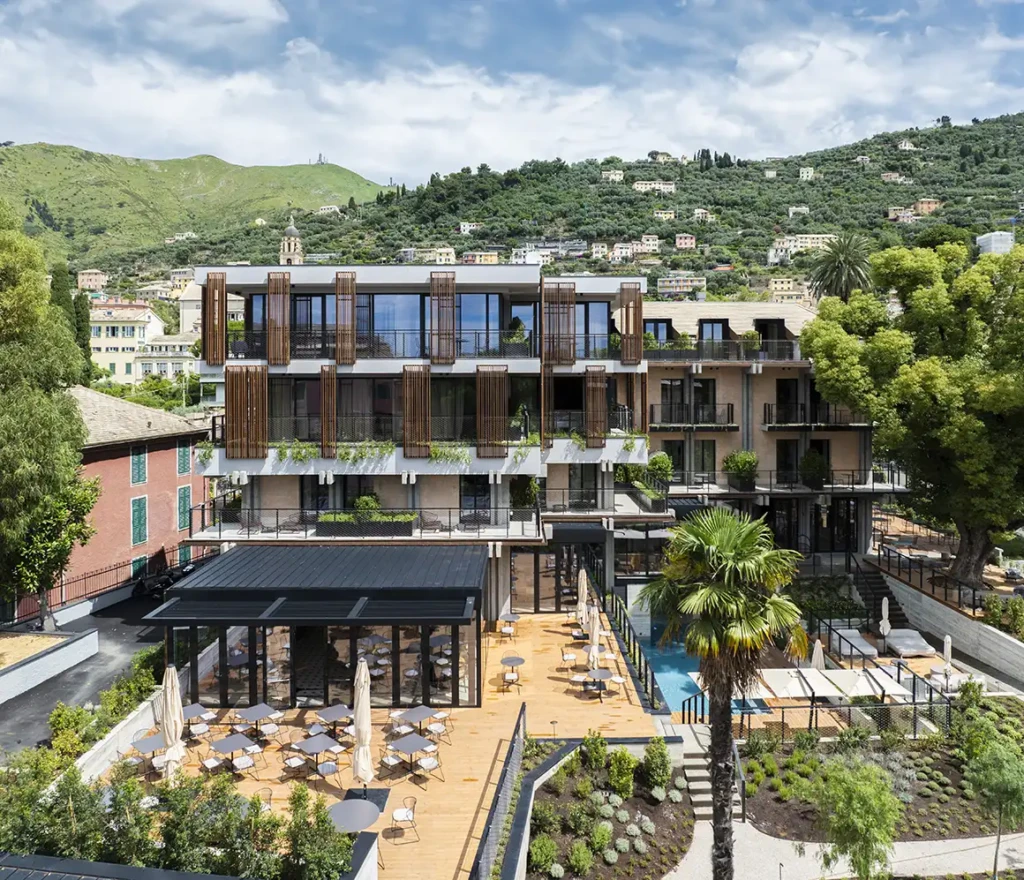
The Capitolo Riviera hotel, located in Genoa (Italy), was renovated in 2025 following a concept that embraces the surrounding park, creating a green oasis by the sea, with spacious terraces where Gradpanel Thermopine solar control is applied, which provides lightweight filters to rooms and suites.
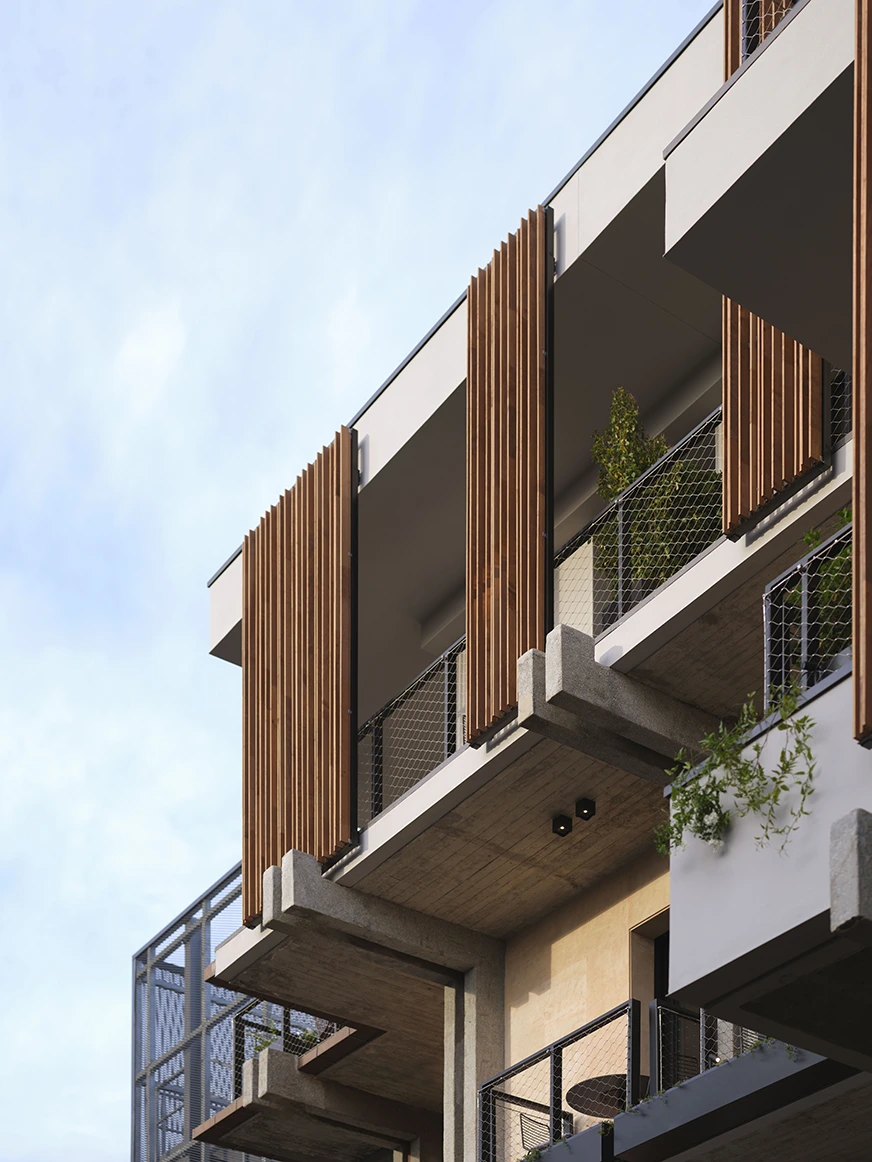
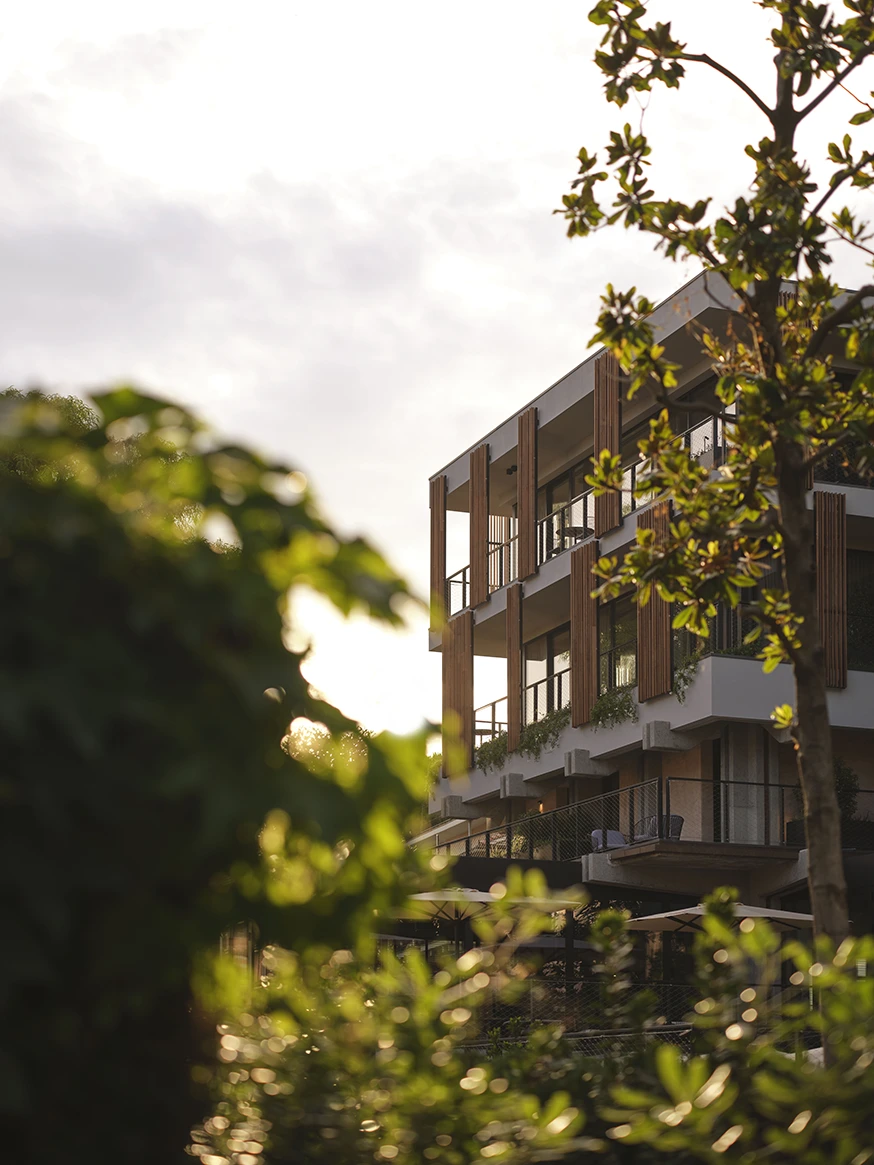
“From the first visit, we fell in love with the building”, confesses Parisotto+Formenton, the studio in charge of the execution of the project. “We focused on the relevant features of the original architecture, such as the exposed concrete of beams and pillars, which we completely uncovered to leave it visible, and the local pinkish stone used in the cladding of the terrace, from an already exhausted quarry, which makes it unique”, they explain.
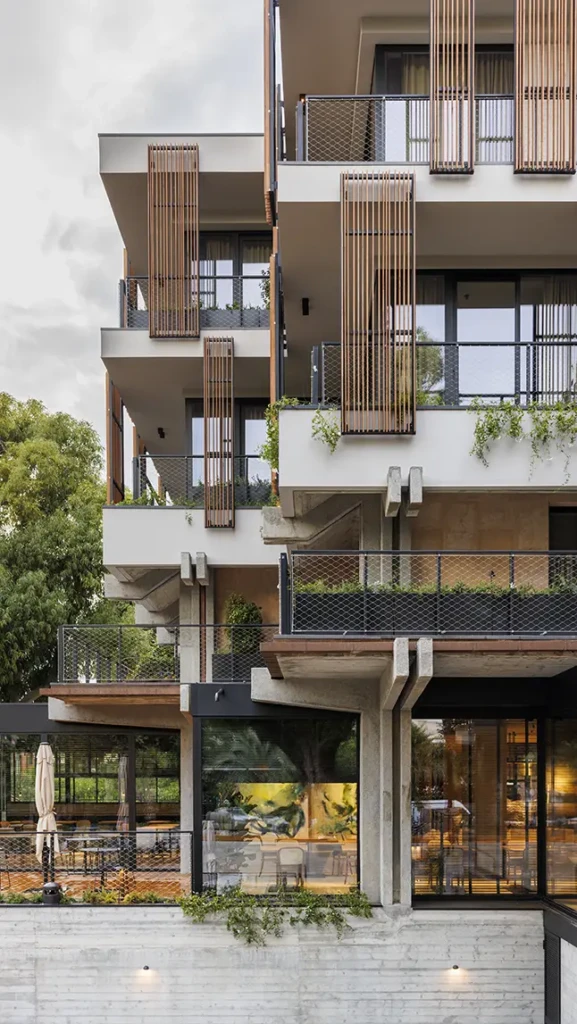
The integration of nature is another strong point of the reform. “At first we thought of <a hotel with a park>, but we realised that the lush vegetation was the star, so we kept the trees and planted some new ones, letting them gently slope down towards the pool and spa, so that this plant is perceived as integrated into the park”, they explain.
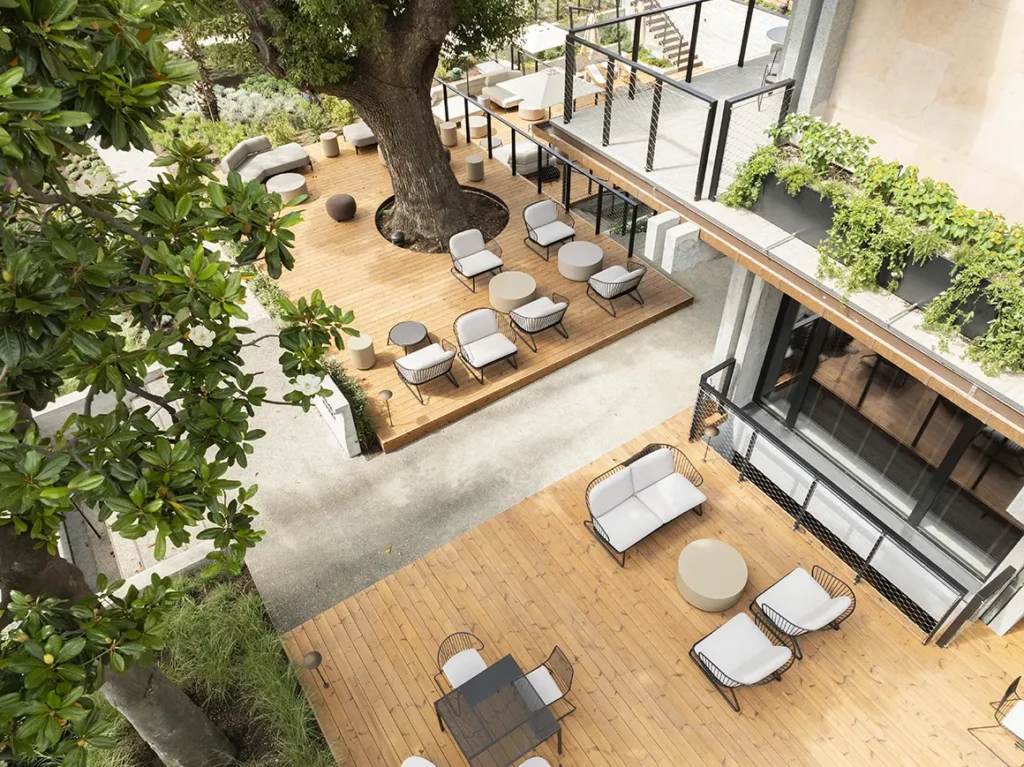
Also noteworthy is the wooden terrace system with Thermopine decking from Savia, “which creates a new multi-level landscape, offering multiple opportunities to enjoy the outdoors, from breakfast to after-dinner moments”. Regarding the choice of this material, they emphasise that they were looking for a solution “that was natural and capable of ageing gracefully within the surrounding vegetation”.

Although they say they are not “the type of architects who seek to leave a signature that will be recognised“, they emphasise that they have “a precise DNA and certain values appreciable in all our work, because we approach projects from a coherence with the context and the territory“, they conclude.