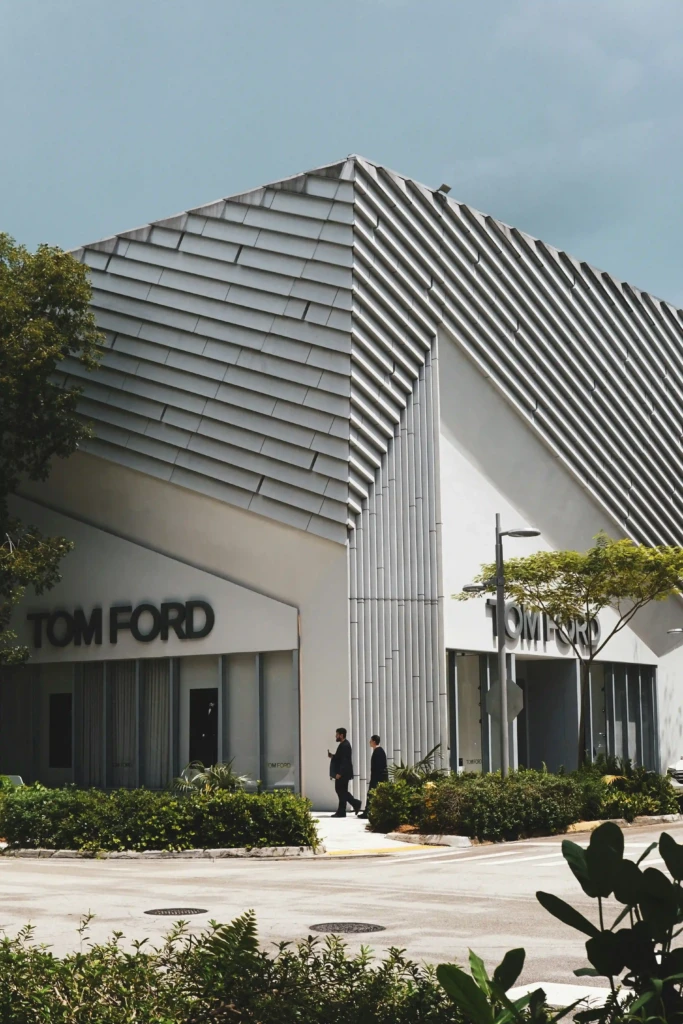
Without abandoning their obsession with form, volume and proportion, more and more architects, after training among models and concrete, are finding in fashion a new territory to explore their gaze towards other worlds. These are the names responsible for leading the world of fashion through their architectural training:
Paco Rabanne
Paco Rabanne, trained in architecture at the École Nationale Supérieure des Beaux-Arts de Paris, brought to fashion the structural and experimental perspective characteristic of architecture. Before founding her house in 1966, he worked designing accessories for firms such as Dior and Givenchy, where he already showed his interest in unconventional materials. His proposal broke with traditional sewing by incorporating metal, plastic and assembled plates, blurring the boundaries between body, object and building.
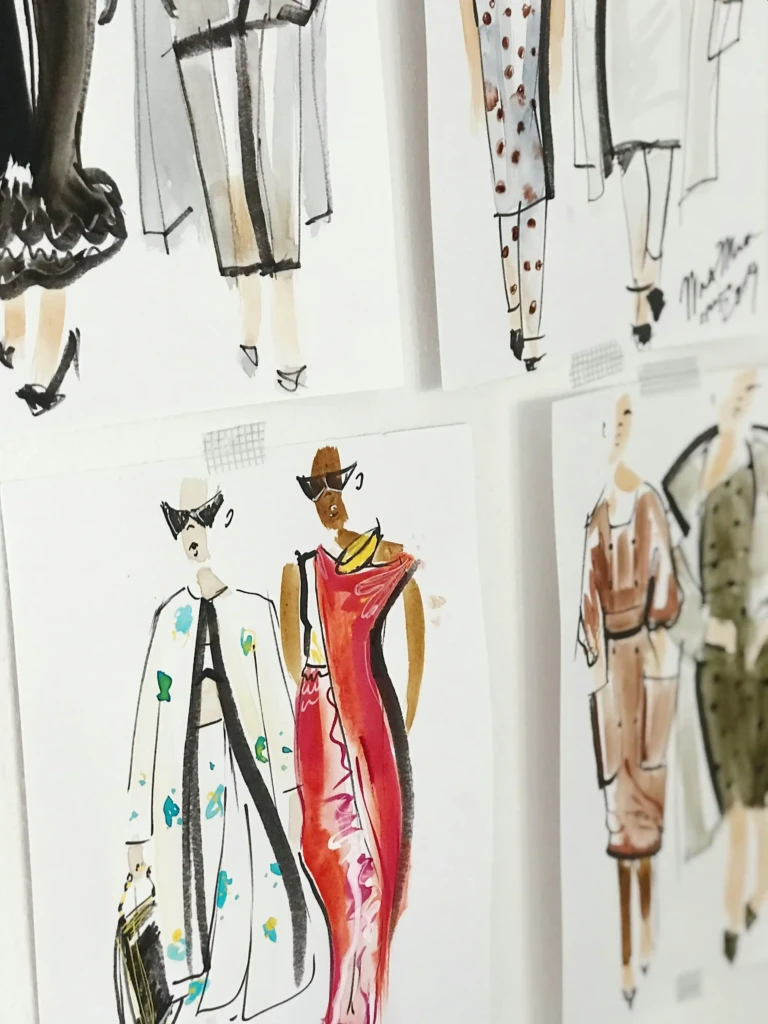
Gianfranco Ferré
Nicknamed “the architect of fashion”, Gianfranco Ferré conveyed to his designs a vision based on proportion, geometry, and the construction inherent in architecture. His approach, deeply influenced by the architectural discipline, conceived of the dress as a volume that dialogues with the body through precise lines and meticulous attention to technical detail.

Hussein Chalayan
Hussein Chalayan, trained in design at Central Saint Martins in London, has developed a practice that engages closely with architecture by conceiving fashion as spatial and structural research. His collections explore the relationship between body, environment and technology, which places his work in a hybrid territory where fashion design adopts strategies typical of architectural projects.
Ver esta publicación en Instagram
Virgil Abloh
Designer Virgil Abloh, who received his architectural training at the University of Wisconsin-Madison, incorporated his vision of structures, spaces, and proportions into fashion design. Founder of Off-White and artistic director of Louis Vuitton, Abloh understood garments as conceptual constructions, playing with volumes, transparencies and references to urban engineering. His disruptive and multidisciplinary approach applied architectural principles to streetwear and haute couture, transforming the body into a building that dialogues with culture, art and the spaces we inhabit, consolidating a style where fashion becomes a laboratory of spatial and graphic ideas.

Tom Ford
Tom Ford, who trained in architecture before turning to fashion design, has brought his understanding of space, proportion, and structural aesthetics to every collection. His work at Gucci and his own brand reflects an approach where silhouette and cut are conceived almost like architectural plans, constructing garments that wrap the body with precision and elegance. Their designs perfectly combine functionality, balance, and sophistication.