Fifty years ago, waiting for a train at a station was a very different experience from what it is today. Over time, transit spaces have been conceived as single-purpose environments: train or bus stations, office lobbies, rest areas, or gas stations that were passed through quickly and without looking. However, the concept has evolved, and it is increasingly common for these transient sites to incorporate elements that make them more pleasant and human. Interior design and architecture have reimagined these enclaves with a human-centred approach, adding amenities such as improved seating areas, ergonomic furniture, cafes, informal workspaces, and even artistic and natural interventions.
How to add quality to a passageway
These transformations respond to an aesthetic but also a functional improvement. Javier Peña, architect and director of the Concéntrico festival, which carries out temporary interventions in cities that force us to rethink the place, clarifies: “There is a tendency to think about cities from the large infrastructure, but often we don’t go down to the small”, he comments. It is at this close scale, he adds, where users find true comfort: comfortable benches, shade, welcoming materials, ergonomics.
Ver esta publicación en Instagram
This can be applied both in a plaza and in an office lobby. In recent years, numerous examples demonstrate how these “passage spaces” are being transformed to offer additional comfort. In train or subway stations, it’s now common to find libraries, pop-up shops, green spaces, and even coworking spaces that allow you to make the most of your waiting time however you want.
This idea of repurposing transit points has been taken very far, for example, in airports like Helsinki and Doha, which have integrated spas, sleeping capsules, cinemas and gourmet restaurants to enhance the traveller experience, to the point where they have become tourist hotspots. In shopping centres, former rest areas have been transformed into lounge-like environments, complete with charging stations, Wi-Fi, children’s play areas, and video call booths. All of this not only improves quality but also extends the visitor’s stay and, therefore, their likelihood of purchasing.
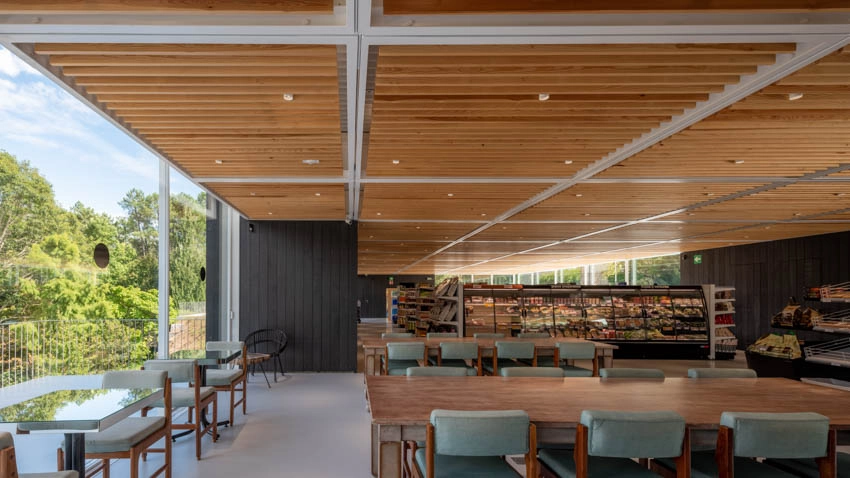
This phenomenon responds to a clear logic: if a place is comfortable, welcoming, and versatile, people stay longer. In a retail environment, this translates into more purchasing opportunities. At a station, in a less stressful experience. And in a city with a better quality of life. “The projects we do at Concéntrico”, Peña explains, “are about transforming existing spaces so that people can rediscover them and make them their own again. The important thing is to adapt them to people’s real needs”.
The role of materials in comfort
Materials also play a key role. At Concéntrico, Peña and his team have worked with recycled wood for their temporary urban interventions. “That improves the approach: materials usually focus only on durability, but we also look for empathy”, he says. Applied to other contexts, such as building lobbies or service areas, this translates into choosing solutions that generate closeness —such as natural woods, warm fabrics, or soft finishes— versus cold and hard solutions like concrete.
The trend is not limited to commercial or transportation spaces. There are small businesses or franchises like laundromats that are incorporating cafes, cultural programming, second-hand shops, or intimate concerts. It is used as an attraction, but also places like some hospitals have redesigned their waiting rooms with biophilic design, natural light, comfortable furniture and mindfulness areas to accommodate the patient and their companions. Even at work, many office lobbies incorporate sofas, art, or cafes to promote interaction and well-being.
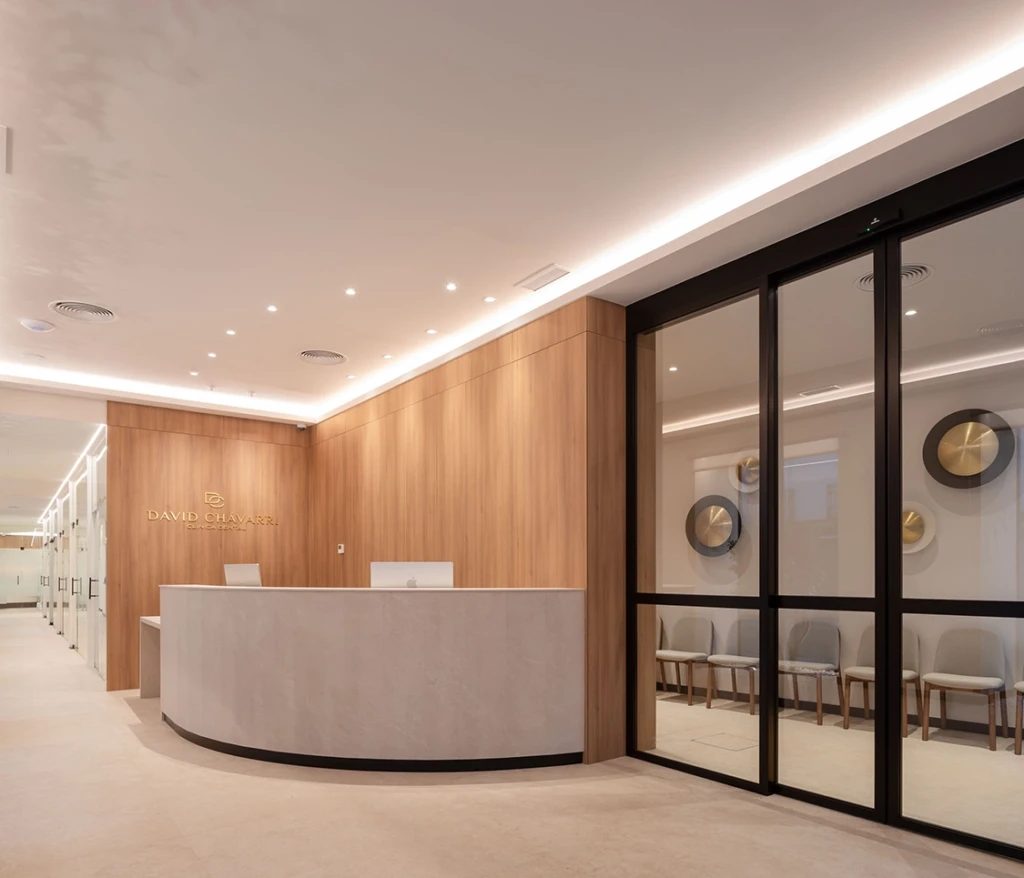
Beyond the visual or economic aspects, there is a profound functional component: these interventions respond to real needs. “Adapting to the climate, for example, is a pending issue in many Spanish cities,” Peña points out. In times of extreme heat, he adds that “we must naturalise spaces, introduce shade, water, vegetation. It’s essential to be able to be there”. In this sense, spaces of passage must also offer decent conditions for living, even briefly.
These improvements do not always require large investments. Peña argues that projects should go beyond the technical: “Public space has many components that are not only addressed by architectural professionals; it also includes social, urban, and anthropological issues. “Many times, it is designed from simplicity”.
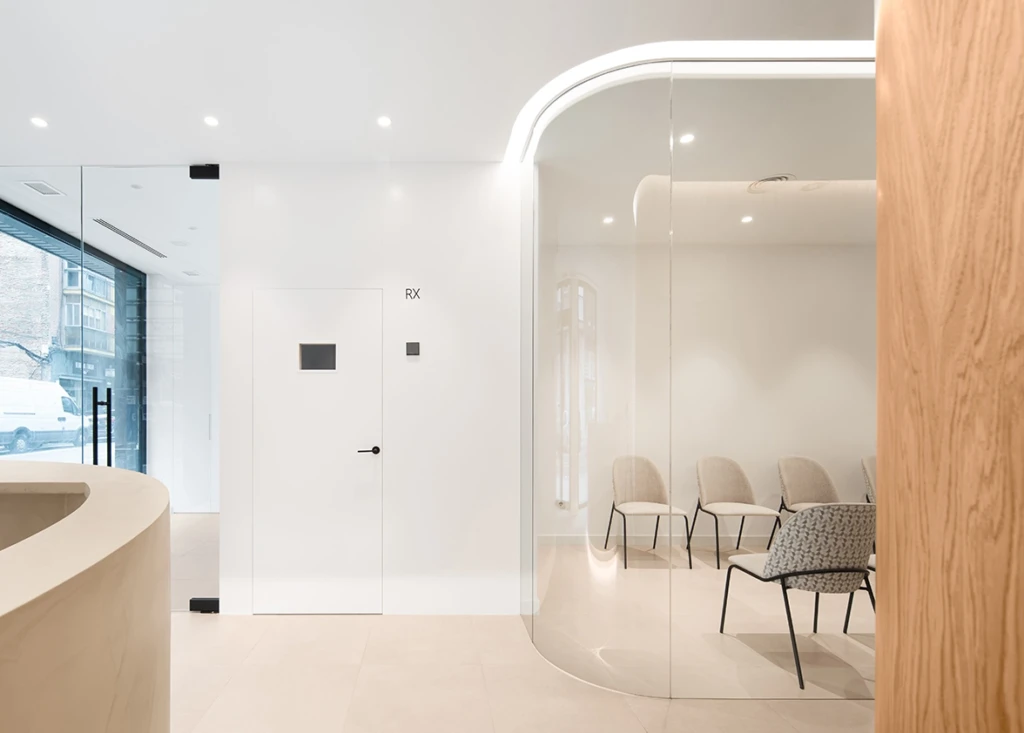
The benefits of accommodating a passage area
In addition to immediate comfort, these hybrid spaces provide tangible long-term benefits. From a mental health perspective, having friendly and adapted environments reduces the stress associated with constant traffic or waiting. A study by the University of Sheffield, funded by the English government, shows that incorporating natural elements —such as vegetation, natural light, or water— into transit areas reduces anxiety levels and improves the mood of users. In terms of accessibility, designing spaces that consider functional diversity (such as ergonomic seating, clear signage, or frequent rest areas) allows more people to enjoy urban space on an equal footing, promoting a more inclusive city.
On the other hand, these types of interventions also reflect a change in social and work habits. Growing job mobility, remote working, and spontaneous cultural consumption require flexible and multifunctional spaces. Hence, office lobbies are becoming informal work areas, and libraries are offering cafes and dining areas. What was once dead space is now transformed into an extension of the home or workplace. The result of this evolution is a city (and everyday spaces) that is more vibrant, more human, and more functional. A shopping centre where you’ll want to stay. A station where you can work or read. A gas station where you can eat well. A laundromat where you can socialise. And above all, an architecture that cares for people even when they are just passing through.