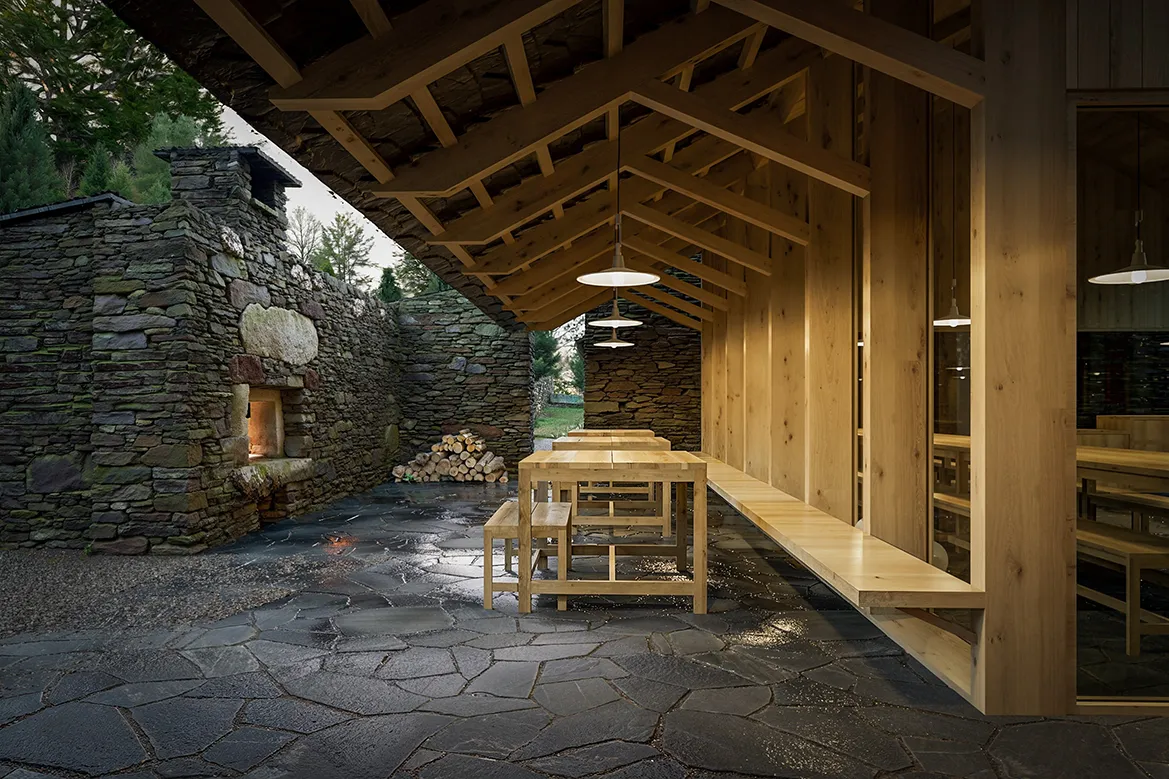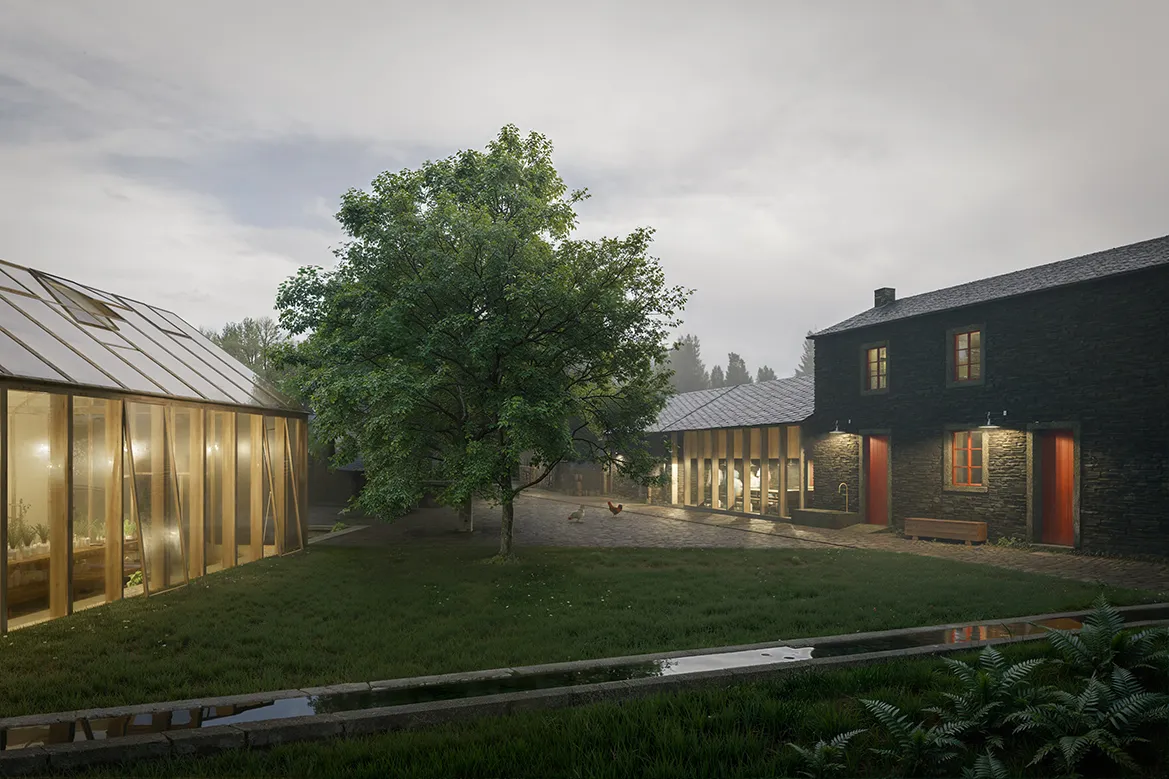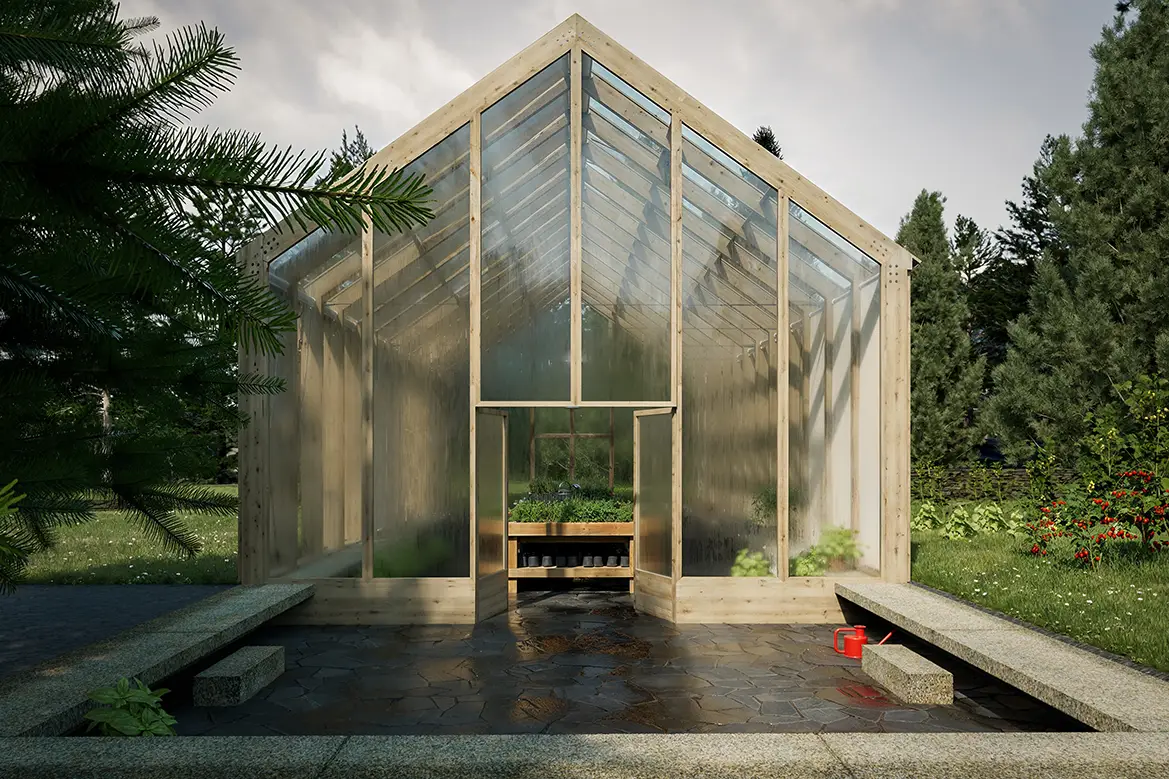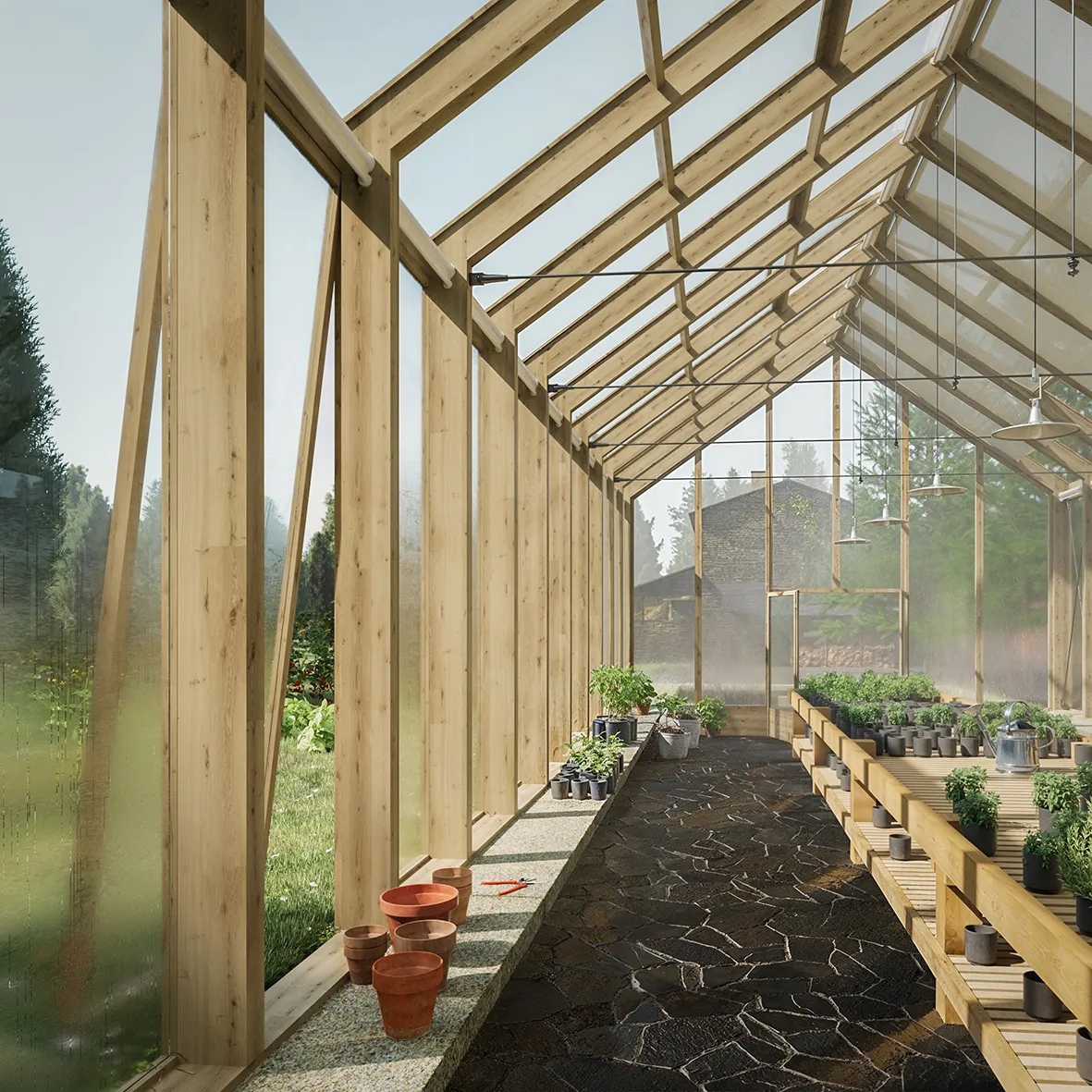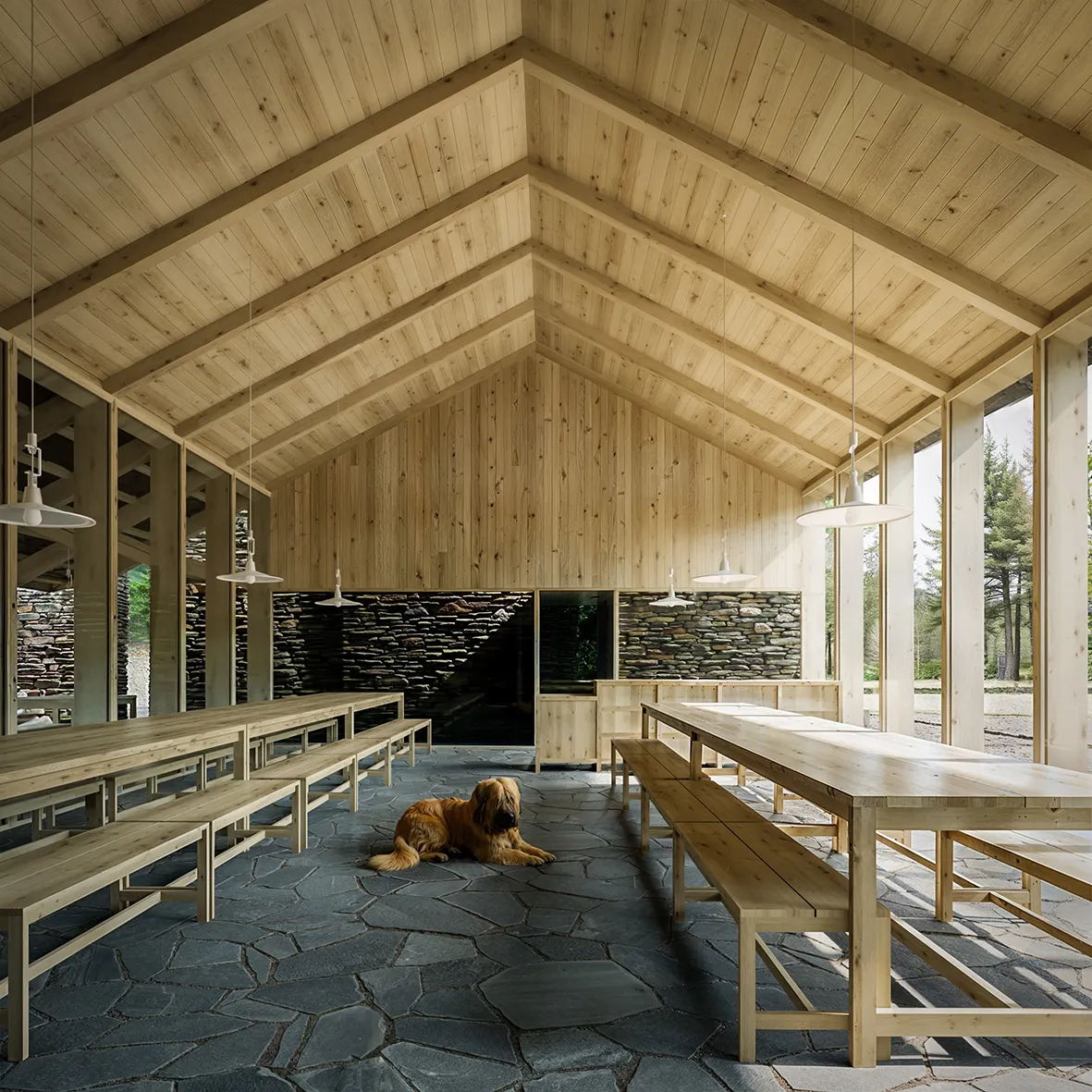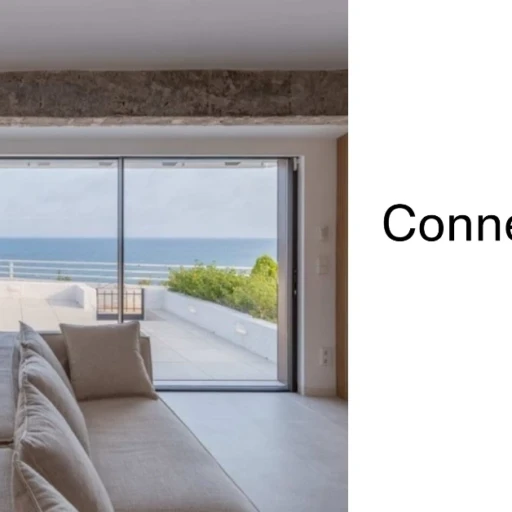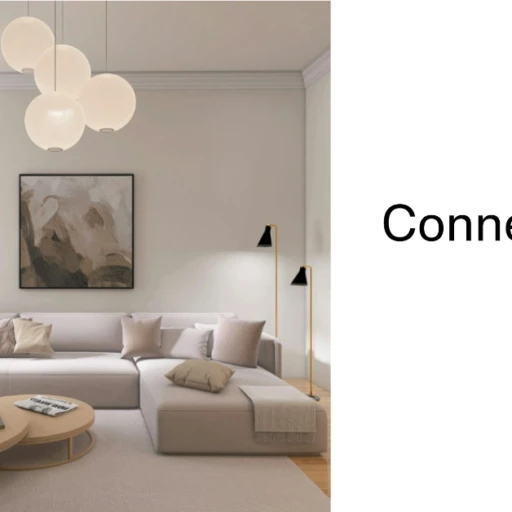
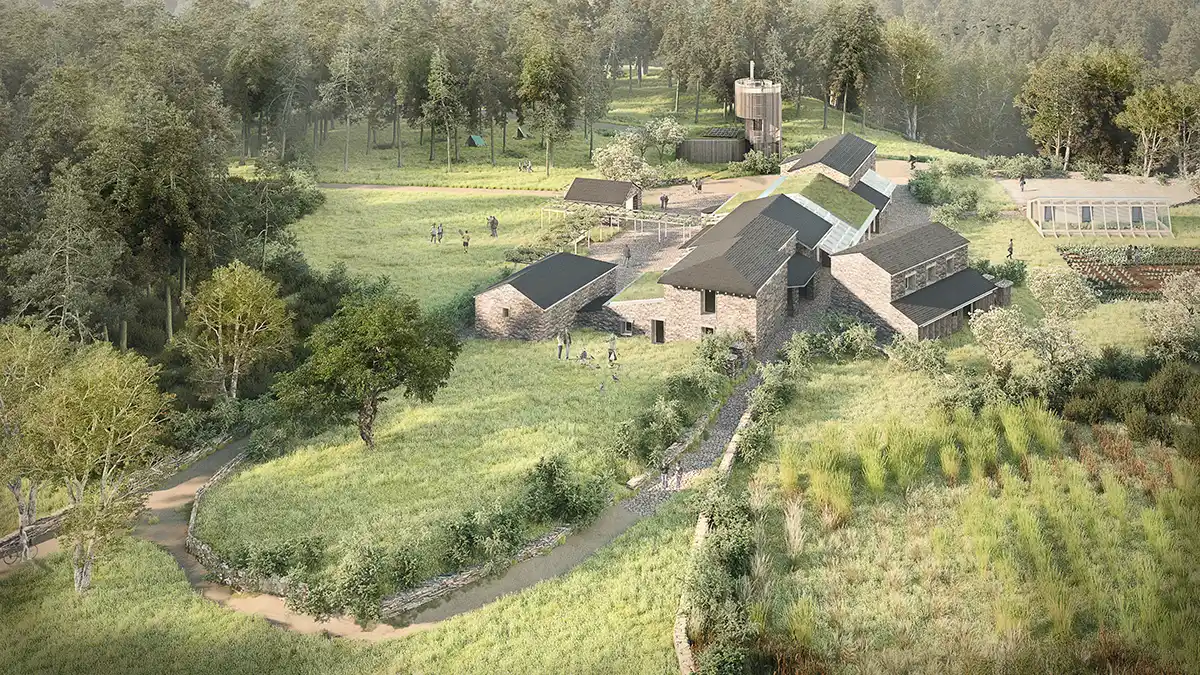
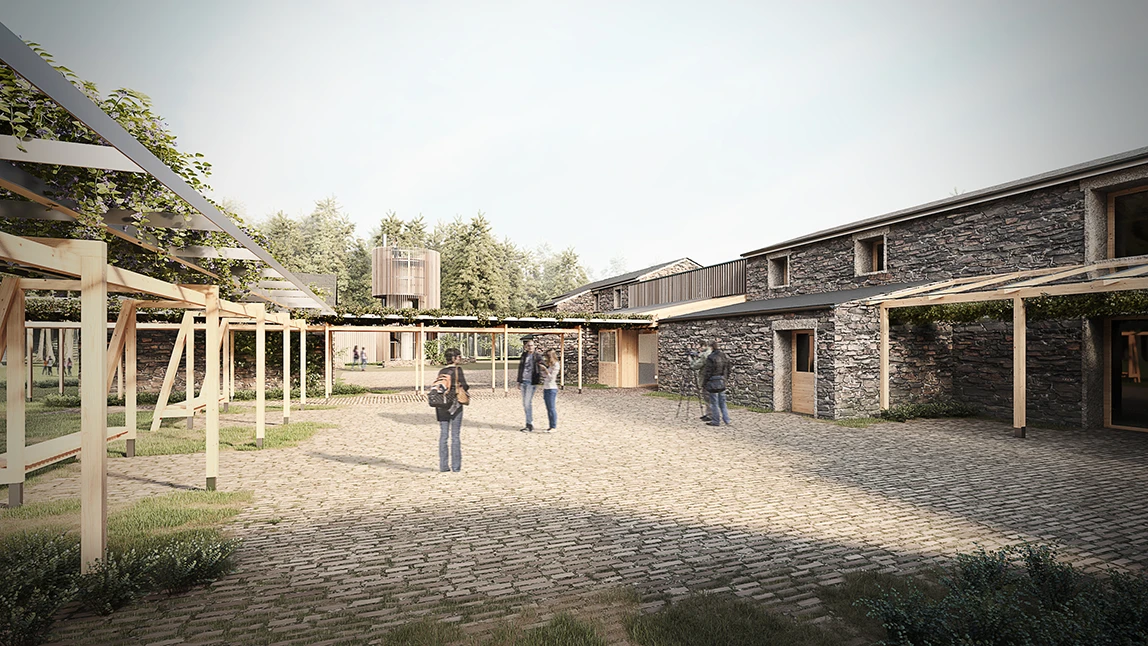
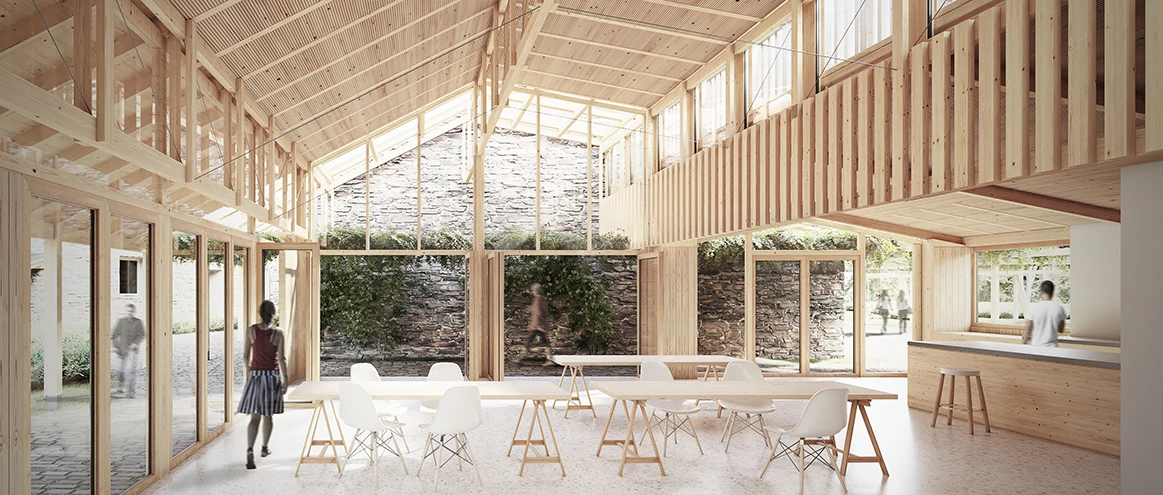
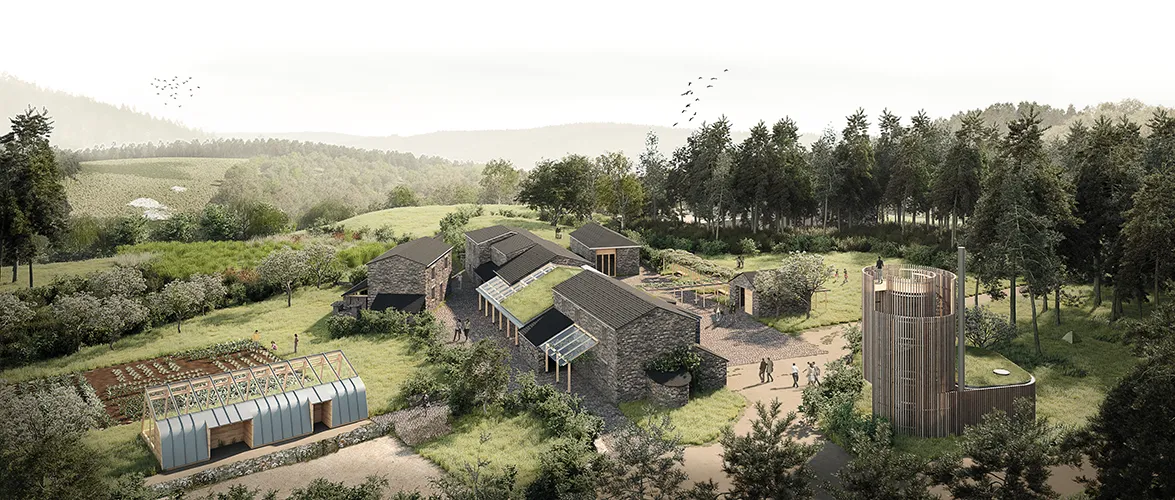
The response to the call for a competition for the architectural renovation of A Panda da Dá was very satisfactory: 54 applications were submitted, of which only one could be the winner. The jury selected the proposal from the team formed by Atelier Ander Bados, Estudio Copla, Bamba Studio, TO and the landscaper Senén Rivero, but the generation of ideas and knowledge that emerged thanks to the competition was transversal to all the candidates. Here we highlight the four finalists’ contributions, in their own words, regarding the strengths of their proposals and their reasons for submitting them:
Arrokabe Architects
Strengths:
Iván Andrés Quintela focuses on “the relational aspect: we have tried to address all the requirements, both those of the territory and the more programmatic and even constructive ones of the village itself, considering the heritage. We tried to provide a response that addressed this complexity”.
Why they showed up:
“The competition addressed issues related to the heritage restoration of traditional architecture, sustainability, and ecology. We’re a studio working in Galicia that’s deeply concerned about these issues, and we thought this would be an opportunity to continue to focus on and reflect on them. On the other hand, since Finsa is the developer and we are specialists in wood architecture, trying to participate seemed almost a necessity”.
Brandão Costa Architects
Strengths:
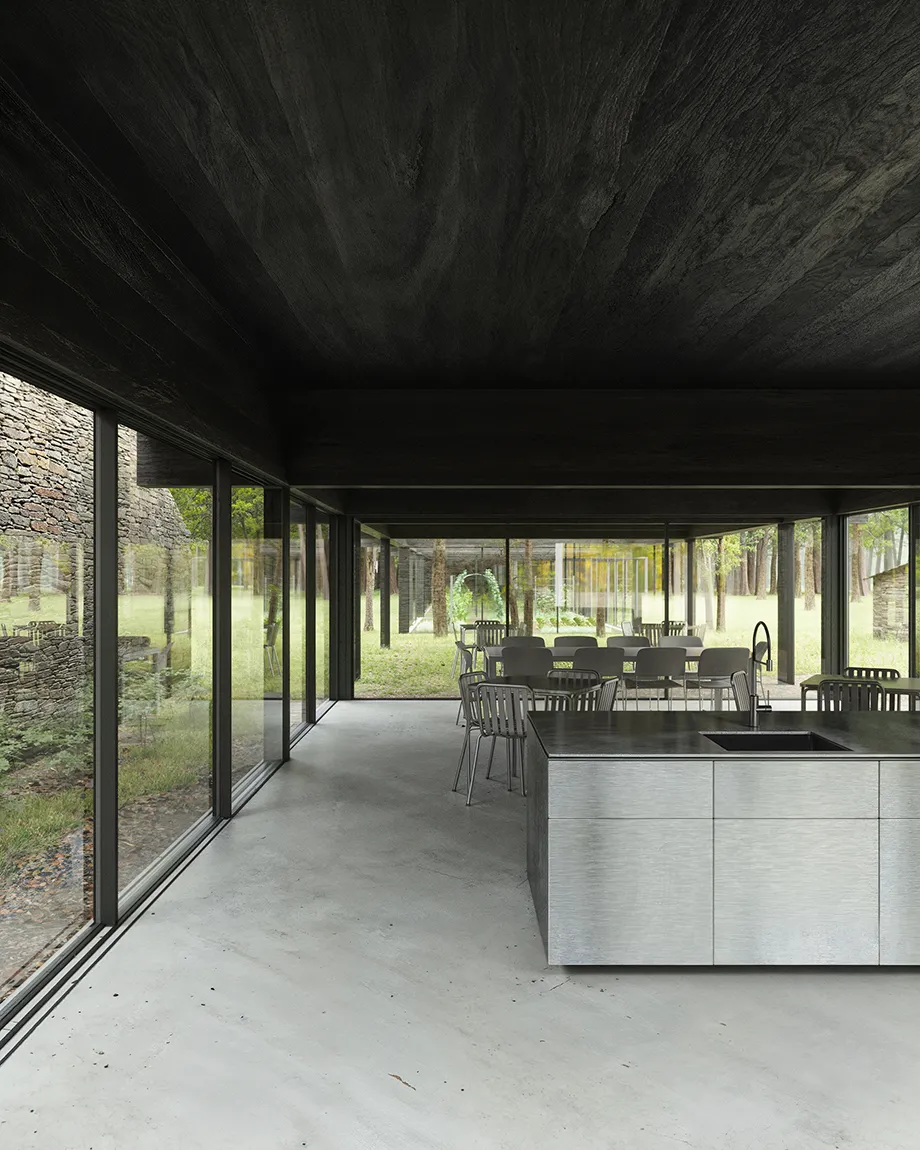
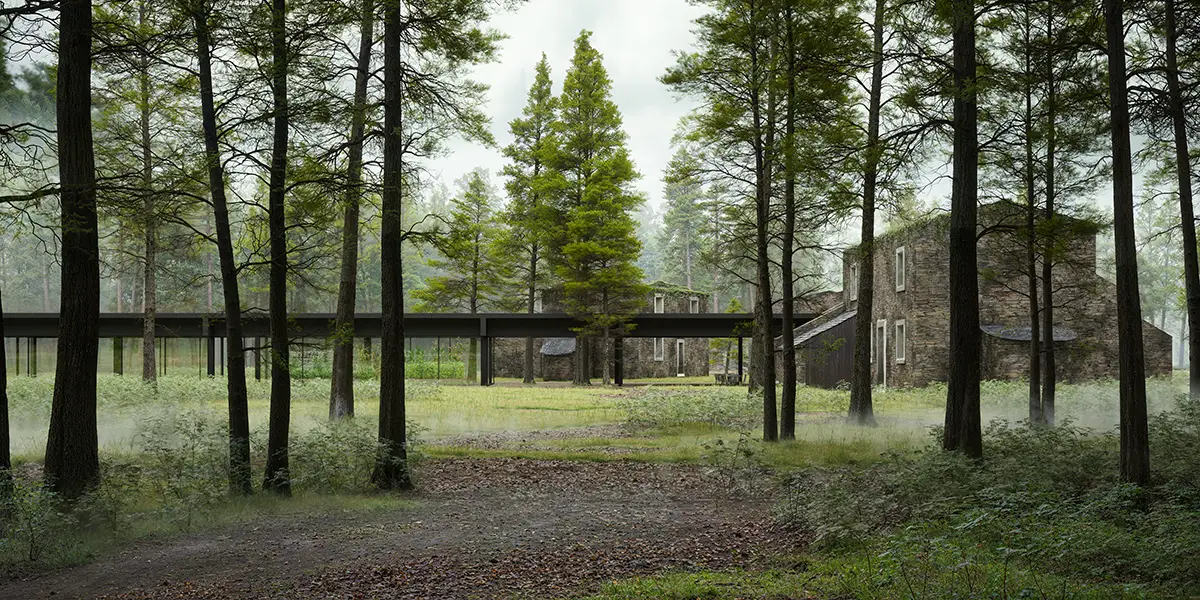
“The strengths of our proposal were the preservation of the nature of the existing buildings and the ambience of the site. Furthermore, the choice to organise the entire proposal on a single floor allowed for a high spatial quality in a continuous relationship with the terrain”, say Brandão Costa Arquitectos.
Why they showed up:
“We were thrilled by the beauty of the location and the charisma of the existing buildings. We found the proposed program very interesting and a challenge to develop a contemporary architectural proposal”..
CoLab + Assemble
Strengths:
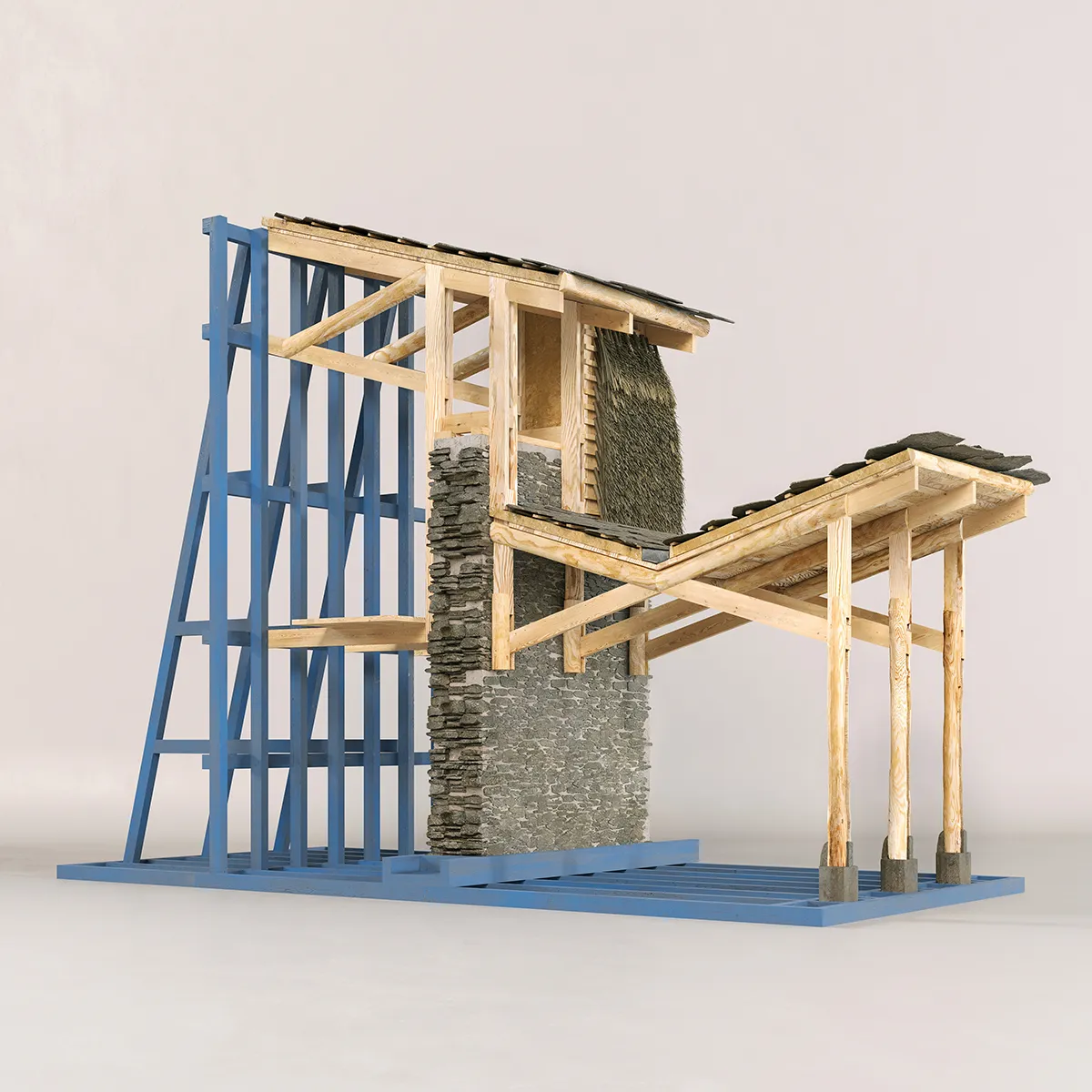
“Our proposal conceived A Panda da Dá as a sustainable construction laboratory, understanding this quality as something multiple: situated in a context (we would have loved to be able to forge alliances with local artisans and producers), local (understanding that the majority of the project could have been built with wood from A Panda’s own forest, hence the proposal of a construction system with a predominance of solid pine wood with smaller-medium sections and lengths of 250cm) or circular (mobilising existing resources and promoting energy autonomy). We also felt that a strong point was the ambition of a project that was carefully studied in terms of its implementation in phases, trying to respond to both immediate needs and a complex territorial program. Both strengths connect with one of the key challenges we considered with the proposal: that A Panda da Dá would not be merely an interesting space, but that it could be a de facto space for innovation and research for the company Finsa, and an incubator where alliances could be forged with architecture schools, trade schools, companies in the construction sector or agents linked to forestry”, describes Enrique Espinosa, one of the team members.
Why they showed up:
“It seemed like an excellent opportunity to combine research and practice on issues that interest us at Colab: sustainable construction, technical research, and the reactivation of pre-existing assets”. Furthermore, the possibility of collaborating with Assemble, a team with whom we share our approach and whom we admire, seemed irresistible to us”.
João Mendes Ribeiro + Luísa Bebiano
Strengths:
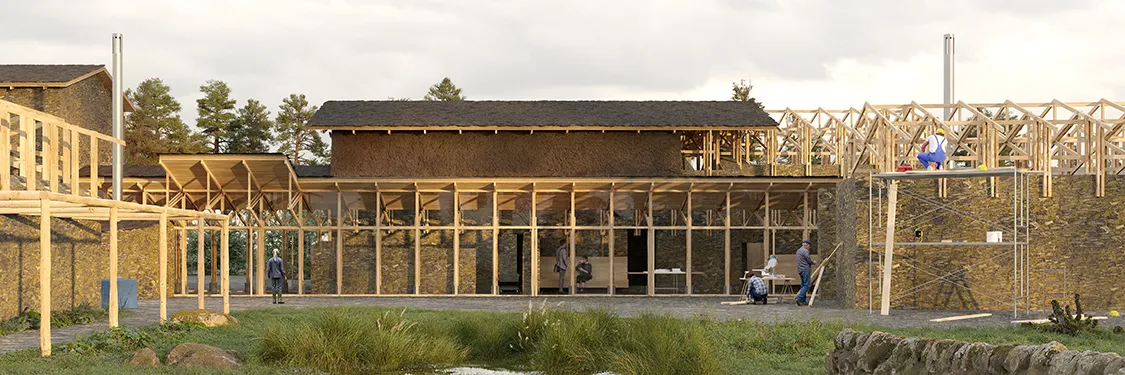
In the words of Luísa Bebiano, the strong point was “redesigning the town without making unnecessary breaks, requalifying two public spaces: the triangular plaza and the patio (through which you cross the dining room). For us, it was important to maintain the human scale of the building complex while maintaining the same traditional construction systems. It was also important not to transform the A Panda da Dá complex into a single building, but rather to maintain the idea of several houses, like those found in a village. Placing the dining room in that location, with that height of eaves and ridge, allows us to introduce a sense of unity into a complex rich in diversity. This provides continuity across the facades, reinforcing the idea of a plaza (surmounted by a greenhouse) and a courtyard (as a more informal space). We are committed to meeting the previous program, while also ensuring energy and water sustainability”.
Why they showed up:
“We believe it’s a very well-developed competition, with well-defined data, in a very beautiful location, and on a scale we’re very interested in working on”.