Climate change is a worrying reality for the planet. In a context where record temperatures are being reached across the globe, energy efficiency and sustainable construction have become urgently needed to reduce the environmental footprint. Beyond the known major enemies of climate change, such as fossil fuel consumption, the European Union’s housing stock, according to its own data, is responsible for 40% of energy consumption and generates around 37–39% of its CO₂ emissions. Given this reality, various sustainable construction certifications have emerged that certify that a building has been designed, constructed, and managed with criteria that respect the environment, human health, and economic efficiency.
These certifications are not just a label; they also provide tangible benefits, such as energy savings and property appreciation. They also act as a transformative tool for cities and communities, as they constitute a structural and unified response to the challenge of decarbonization. Among the most internationally recognised seals are LEED, BREEAM, WELL, Passivhaus or the Spanish VERDE, as well as new proposals such as EDGE, ISO 50001 or the recent AENOR Sustainable Building certification.
Sustainable construction certifications: learn about the most relevant ones
LEED, the most widespread
Within all these distinctions, there are differences: LEED (Leadership in Energy & Environmental Design), developed in the 1990s by the US Green Building Council, is probably the most widespread system worldwide. It evaluates aspects such as energy efficiency, responsible water use, the choice of sustainable materials, indoor air quality, and design innovation. Depending on the level of compliance, a score is awarded, which translates into different categories: Certified, Silver, Gold, and Platinum.
BREEAM, the oldest
BREEAM, for its part, was born in the United Kingdom in 1990 and is considered the oldest environmental assessment system. Its criteria focus on nine categories, including transportation, waste management, and occupant health and well-being. Levels range from “Pass” to “Outstanding”, and its use has spread widely throughout Europe and Latin America.
WELL, assessing health and well-being
The WELL Building Standard takes a different approach than other certifications, as it focuses directly on the health and well-being of building users. It assesses elements such as natural lighting, air quality, acoustic comfort, nutrition, and the emotional state of occupants —in other words, it goes beyond the building itself. This more humane approach to sustainability is increasingly valued, especially in offices, educational centres, and healthcare settings.
Passivhaus, almost zero consumption
On the other hand, Passivhaus (or Passive House), of German origin, guarantees buildings with almost zero consumption thanks to strategies such as extreme thermal insulation, building airtightness, and ventilation systems with heat recovery, and achieves up to 90% energy savings compared to conventional construction.
VERDE, between the social, the environmental and the economic
VERDE system, promoted by the Green Building Council of Spain, integrates social, environmental and economic criteria throughout the entire life cycle of the building.
AENOR Sustainable Building, the first with ESG criteria
Another local option is the AENOR Sustainable Building certification, the first in Spain to incorporate ESG (environmental, social and governance) criteria aligned with the European Level(s) strategy. It is an approach that seeks to reduce impacts and also improve urban quality, equity, and the resilience of built environments.
Ver esta publicación en Instagram
How to obtain a sustainable construction certification?
On a practical level, achieving one of these certifications requires planning and commitment from the design phase. The first step is to select the most appropriate certification based on the type of project (residential, commercial, institutional), its location, and the desired sustainability goals. From there, it is essential to involve all links in the chain —architectural and engineering professionals, developers, and specialised consultants— in meeting specific criteria: use of renewable energy, efficient lighting and air conditioning, selection of materials with low environmental impact, water management, indoor air quality, and accessibility, among others. Part of the process involves gathering evidence and technical documentation for analysis by an external auditor and obtaining certification from the appropriate accrediting body (such as the USGBC for LEED, BRE for BREEAM, or AENOR for its own certification).
The benefits are numerous and verifiable. In addition to contributing to the protection of the planet, sustainable buildings enable significant savings in energy consumption and maintenance, increase their market value—studies show that certified buildings can sell for 21% more and achieve 18% higher rents —and improve the well-being of their occupants, which impacts productivity, health, and satisfaction. From an institutional perspective, certification can also be a decisive step in accessing green financing or complying with European regulations, such as the 2030 and 2050 decarbonization guidelines promoted by the European Union.
The push for this type of building in Spain is already bearing fruit. Examples include the renovation of the Faculty of Philosophy and Literature in Zaragoza (BREEAM Excellent certification) or the Villa Miraconcha Hotel in San Sebastián (LEED Platinum), which received awards in the latest edition of the 3 Diamond Awards, a prize designed to promote this type of modification in buildings.
Ver esta publicación en Instagram
To achieve sustainable building certification, the choice of materials is one of the most crucial aspects. The certifications positively value the use of materials with low environmental impact, recyclable or recycled, of local origin, and that have been produced responsibly. For example, opting for thermal insulation made from natural fibres (such as cork or cellulose), FSC- or PEFC-certified wood, paints without volatile organic compounds (VOCs), bamboo flooring, or recycled materials can add key points to systems such as LEED, BREEAM, or VERDE. Additionally, some certifications require a complete life cycle assessment (LCA) of materials, measuring their impact from raw material extraction to disposal or recycling. This requires more stringent traceability and close collaboration with certified suppliers.
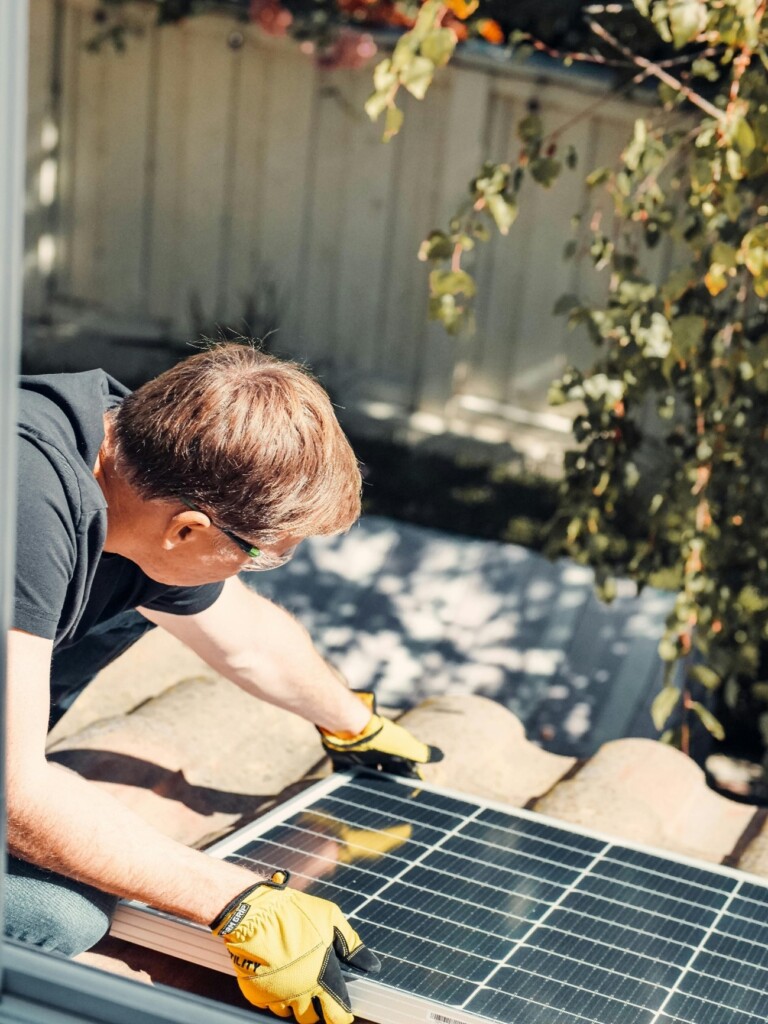
Another essential path to achieving certification is the integration of energy optimisation solutions, which can range from high-efficiency air conditioning systems and condensing boilers to the use of renewable energy sources such as solar panels, aerothermal energy, or geothermal energy. Water management is also crucial: installing low-consumption faucets, rainwater collection systems, or greywater reuse systems, which allow for proper resource management and earning points in the various evaluation schemes. Intelligent monitoring and control of energy consumption through home automation technologies is also gaining importance. Implementing these measures is a competitive advantage and an urgent necessity in the face of climate change and today’s society.