More than 30 years of responsible forest management, combining timber cultivation with biodiversity conservation, have made the A Panda da Dá farm a small oasis that shows that things can be done differently. For this reason, and due to the opportunity that the farm represents, various activities have been carried out there since 2021, opening the doors of the space to people and groups interested in the origin of the wood, contact with nature, and the exchange of ideas. The 2025 edition, held on June 25 and 26, was an immersive experience within the RIA Foundation’s open program related to A Panda da Dá and offered to explore the environmental, economic and social aspects through the environment itself and the proposed activities.
“We wanted to do something different this year because of the current situation at the farm”, explains Andrés Arias Pampín, industrial design engineer and coordinator of innovation projects and consulting at Finsa. It refers to the artistic nature of previous editions of these days at A Panda da Dá. In 2021, it was an individual artist residency, the following year a more collective one, in which the space was inhabited by developing workshops with people of reference in their fields. From the third onwards, the experimental nature was expanded with artists developing their processes in an open manner based on the chosen themes. As participants began to inquire, eager to learn more, a day dedicated to forest management was organised, with various stakeholders from the value chain and the sector explaining the most cutting-edge projects under development.
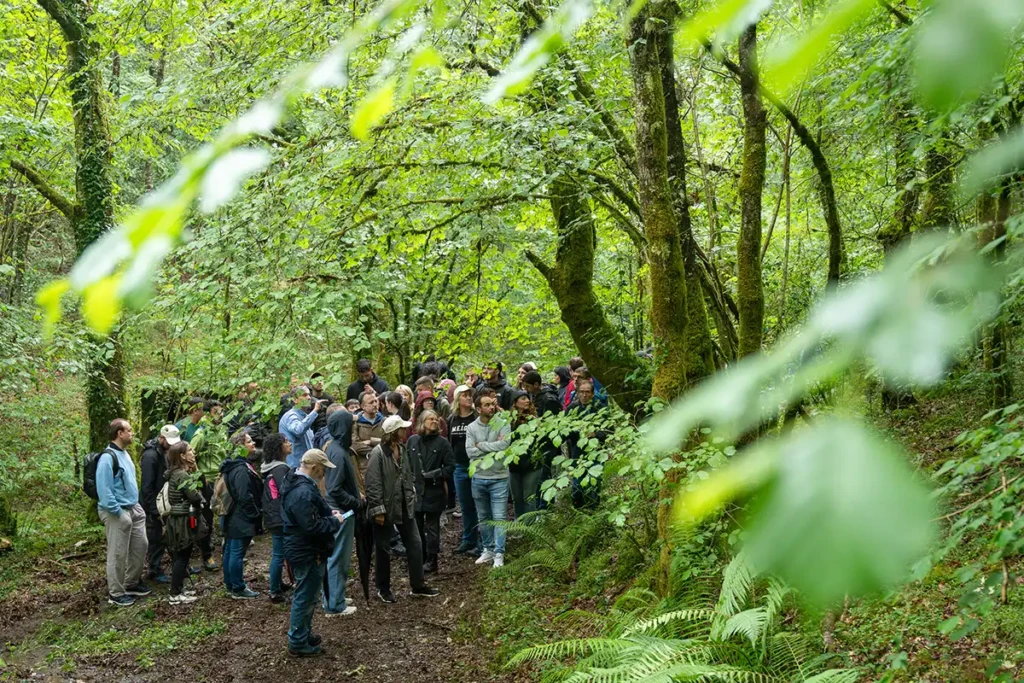
This planted the seed to guide the 2025 edition, a year in which the architectural competition for the estate was also held and in which the ecosystem services certification was achieved. “We did two days of immersive experiences in which we intended to extend the forestry day that we did every year. We wanted both days to include something that would allow us to learn about forest management and the farm, while preserving participatory and creative notes”, says Arias Pampín. For his part, Carlos Iglesias Dapena, from Finsa ‘s forestry department and one of those responsible for the guided tour on the first day, highlights the importance of the event “focusing on the management of the farm from three different perspectives: social, environmental, and economic”. They are three legs of a stool, and if one is missing, “it might still stand, but it’s not stable”.
Guided tours, logging demonstrations and bee experiences
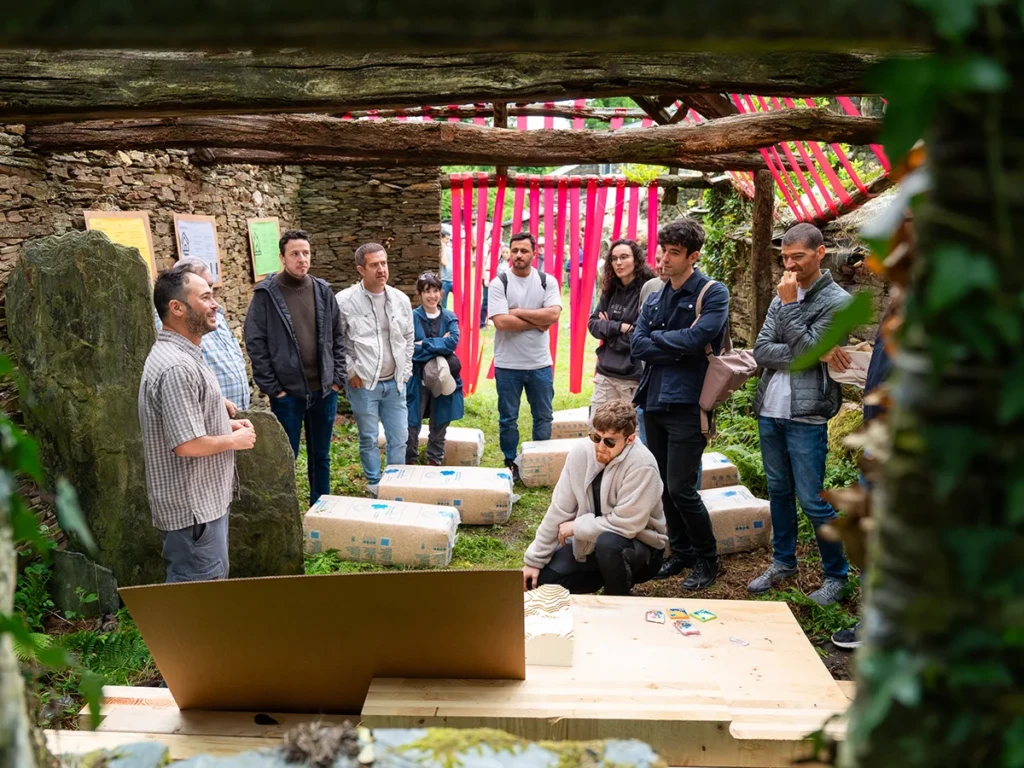
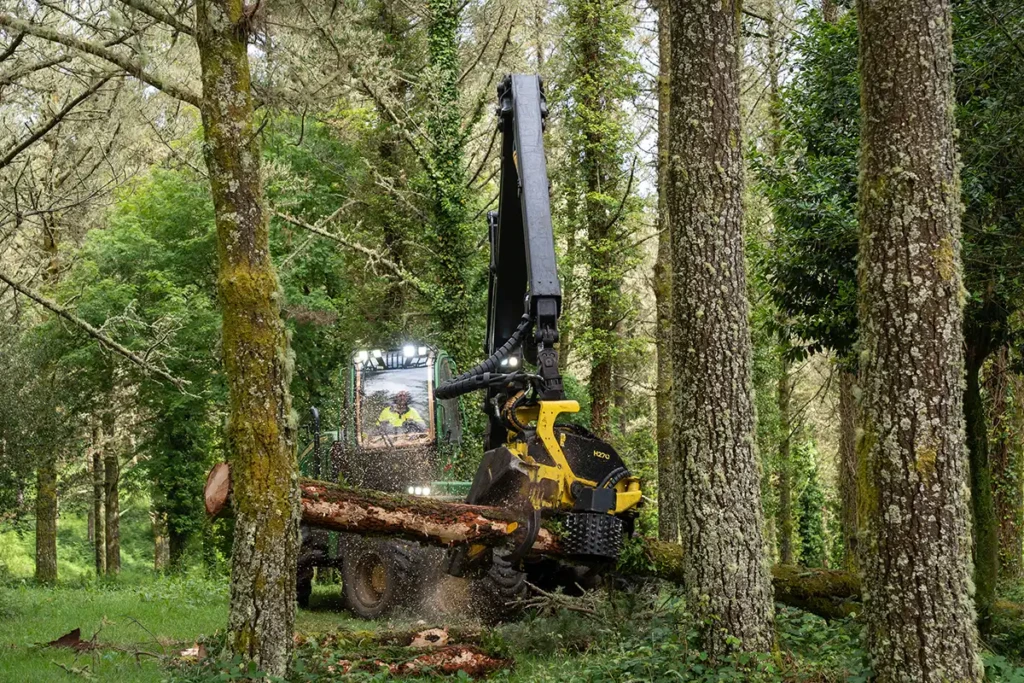
The immersive experience involved two days filled with activities, but also marked by the flexibility and opportunities that emerged during the process. “When we go to A Panda da Dá, the dimension of time finally falls aside and possibilities begin to emerge”, says Arias Pampín. Thus, on Wednesday, June 25, the experience opened with a tour of ecosystem services and their certification, guided by the people involved in the work carried out to obtain the certificate: Iglesias Dapena himself, from Finsa; Miguel Ángel Direito Caamaño, forest certification auditor; Manuel Beiro (Mincho), from Asefor, a consulting firm specialising in forest certification and ecosystem services; and Juan Picos, from the University of Vigo. “We had a guided tour explaining how the entire certification process was carried out, from the beginning as an idea, the development phase, the inventory phase and the certification itself”, says Carlos Iglesias Dapena. After a relaxed lunch in the space itself, there was a felling demonstration by José Manuel Insua Bermúdez, from Servicios Forestales Bermúdez SL, and Iván Parga Cousillas, from Alpenholz Garpa SLU, and a presentation of the wood-based products of the Chilean startup Strong by Form, which allowed us to close the day by imagining the potential of this raw material.
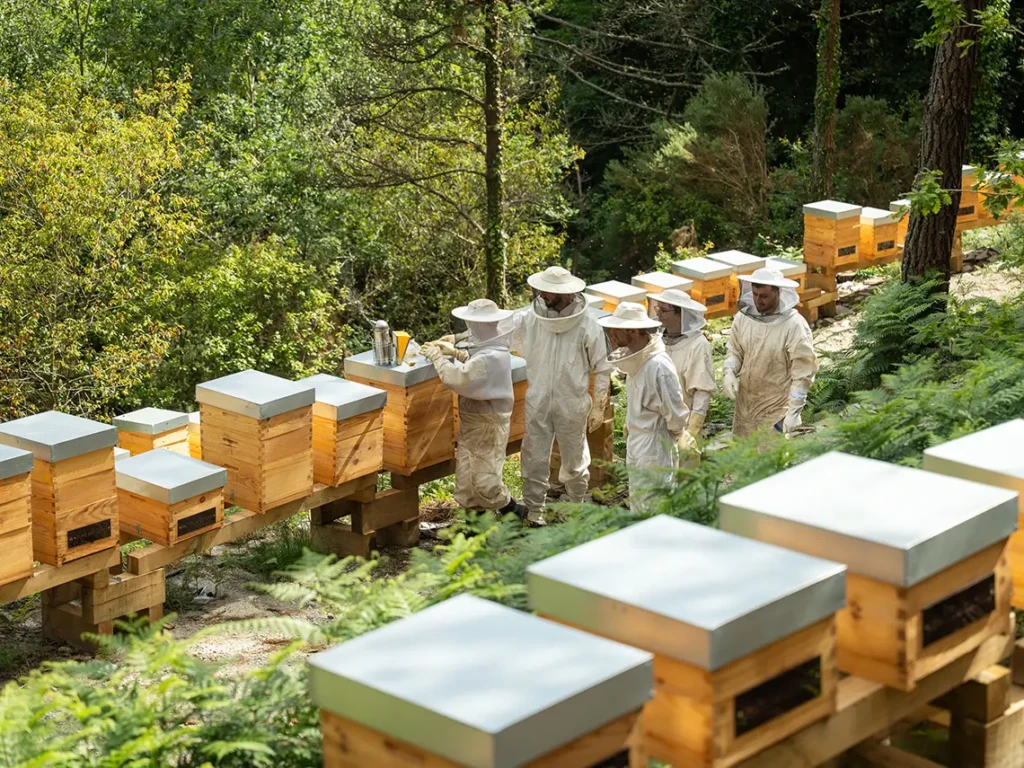
Thursday began with a participatory dynamic for the architectural proposal for A Panda da Dá by the winning team of the competition, in a simulation format of the architectural competition itself in which they were able to involve the people who use the property, incorporating new ideas and putting them in the shoes of having to develop a proposal for the space. In the afternoon, the plan continued with a trip to the apiary to learn about its construction, how it works, and how honey is produced. The presentation was led by José Manuel Fernández Sande, of Miel Manuel Sande. After all the discussion, seeing how the hives work, how they’re cared for, and how they’re built, the possibility arose of taking turns wearing special suits so we could get up close and personal with them and practice routine tasks.
Both Wednesday and Thursday featured musical performances of varying genres. On Wednesday, the Pardavila Bagpipe Group (related to the Montes de Valladares Community) provided entertainment during the breaks between activities, and on Thursday, the closing session was enjoyed with a session by Señora DJ.
Among the approximately 175 people who attended the workshops, there were many Finsa staff from different areas, businesses, and work centres. Marta Aguirre, one of the organisers of this year’s event, highlights its importance from a team-building perspective. “These are days that serve as a way to disconnect from the day-to-day work at Finsa, to connect with the origins from which all our work comes, which many people are unaware of. For those of us who aren’t in Santiago, it helps connect with the essence of the company, with other experiences, and to meet colleagues from other parts of Spain”, she says.
In addition, attendees included forest owners and mountain communities, professionals from the forestry sector, architecture and design, and cultural management. The academic and local community was also present, along with participants from previous editions and residents from nearby villages, reflecting the diverse and open nature of the event. Of this entire representation, more than half were visiting the estate for the first time, which provided a good opportunity to establish new connections and gain fresh perspectives.
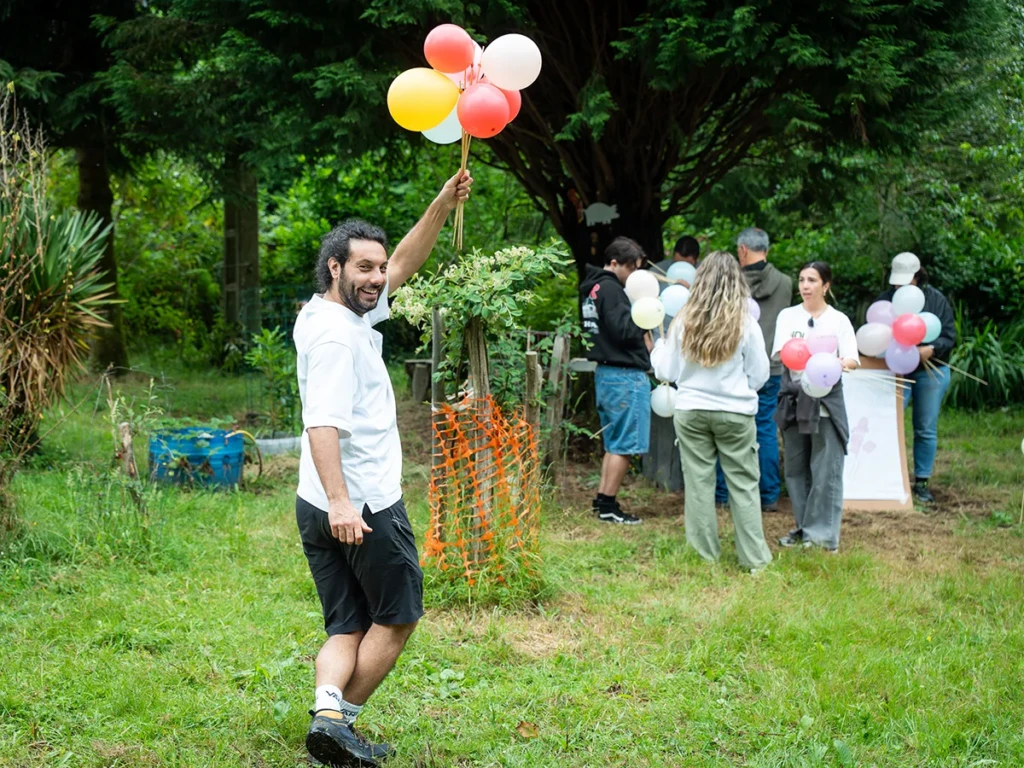
Both this year and in previous years, they have noticed that the exchange of ideas and the mixing of different stakeholders build a sense of community and belonging. What will be done next and in the future? What the combinations of people, synergies and the enormous possibilities that open up as soon as you enter A Panda da Dá dictate.