
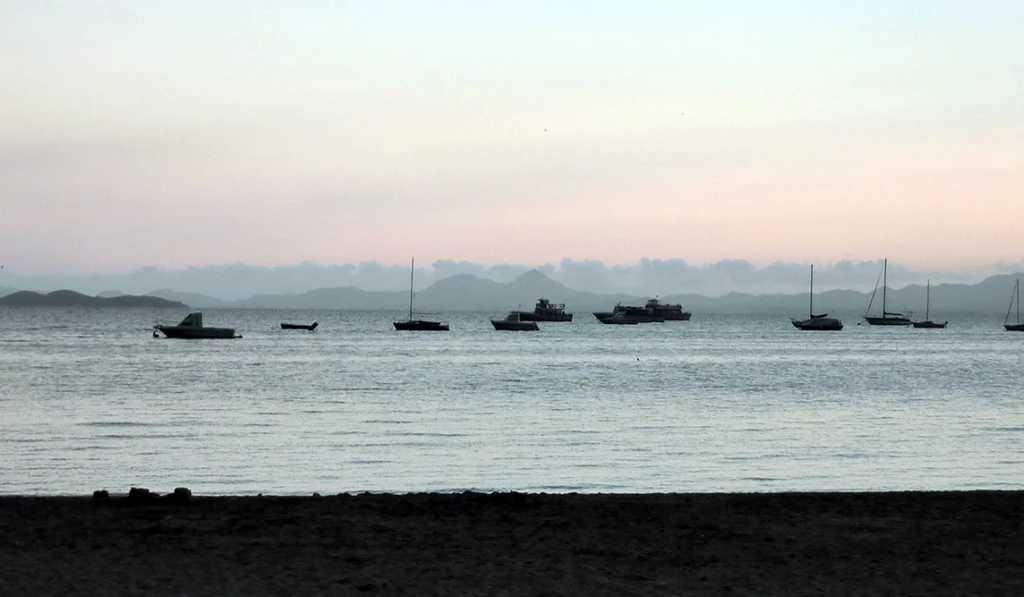
In 2022, the Spanish Parliament passed a law recognising the legal personality of the Mar Menor lagoon and its basin, a rule that was upheld by the Constitutional Court in late 2024. For those who don’t know much about law or aren’t up to date with the movements defending nature, the news may have gone unnoticed, but its importance is enormous: the Mar Menor now has rights, just as if it were a person. And this recognition goes far beyond what was proposed by traditional environmental law.
What is legal personality?
The first step in understanding the importance and magnitude of this development in Spanish law is to understand exactly what it means for a natural area to have legal personality. “Legally speaking, it is the recognition of the intrinsic value of nature. Granting it legal personality means that it is a person, understood as something that is entitled to rights and obligations,” explains Susana Borràs, professor of Public International Law and International Relations at the Rovira i Virgili University and an expert in environmental law. “In this case, we’re talking more about rights than obligations, because we understand nature as the source of rights; it’s what gives them to us. It is something that goes a little beyond legal conceptualisation, it is recognising the life of nature and that it does not depend on human beings, but rather we, the people, depend on it“, he adds.
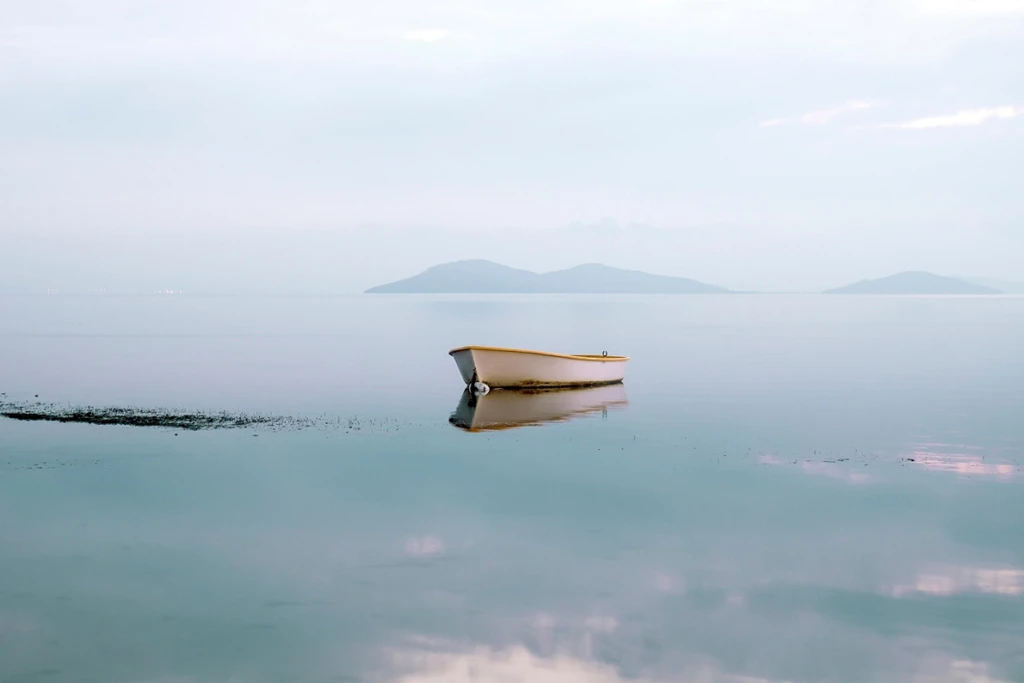
The concept itself is revolutionary. “It is a transformative trend of traditional law and reconceptualises classical environmental law. This was based on a utilitarian view of our relationship with nature, considering it as an object. Now we begin to consider her as a subject of rights simply by the fact of existing”, he adds. Like every person as soon as they are born.
The rights of nature
What rights are granted to a natural entity that acquires legal personality? It depends on the case. In the Mar Menor basin, which is the closest to us, the law establishes that it has “rights to protection, conservation, maintenance, and, where appropriate, restoration, under the responsibility of the governments and coastal inhabitants”. Furthermore, “it is also recognised the right to exist as an ecosystem and to evolve naturally“, which includes all the natural characteristics of the water, the communities of organisms, the soil, and the terrestrial and aquatic subsystems.
Susana Borràs explains that, generally, when recognising rights to nature, the starting point is the experiences rooted in the indigenous cosmogonies of the original peoples. “We talk about the right to exist, the right to maintain our life cycles, the right not to be contaminated, the right to claim our rights, to defend ourselves. This list of rights has been expanded to a greater or lesser extent depending on the different cultural and territorial realities that exist, but they basically respond to the objective of guaranteeing the life of nature”, he notes.
Recognising all of this doesn’t mean that these places can no longer be touched or entered for social use or even as a source of income. “It means learning to live with nature, to truly take what we need, while also rethinking all the economic structures and ways of life we’ve built outside of it”, he explains.
A particularity of this figure is that, if someone (or something) has rights, they must also be able to claim them or defend themselves when they are violated. How can a mountain, a forest or a river do it? “Just like with minors, having rights is one thing, and the ability to exercise them and claim them is another”, the expert explains. The solution, in the case of natural entities, is the establishment of the legal fiction of “a guardianship or a representation”. In the case of the Mar Menor, three guardians were established in the form of three committees at the end of May 2025.
This is also one of the differences concerning traditional environmental protections. “Environmental legal protection systems only established the obligations of individuals about the protection of nature, which is insufficient to recognise their rights, make their importance visible, and explain our dependence on them”, says Borràs. But environmental law should not be replaced by legal entities. “The complementarity of the two legal branches is desirable: the recognition of the rights of nature through a more psychological perspective of law, and the recognition of the rights of nature through a more anthropocentric perspective, which is also necessary because it strengthens its protection, whether through administrative, civil, or even criminal sanctions”, he acknowledges.
Other natural entities with rights
The case of the Mar Menor basin is not unique in the world. In fact, the history of this legal recognition of the rights of nature dates back to 1972, when the American Christopher D. Stone, a law professor, published an article in which he raised the question of the possible legal rights and legal personality of natural entities such as trees. Currently, according to the database compiled by researcher Alex Putzer, there are more than fifty places around the world that have been recognised as persons in some law or declaration.
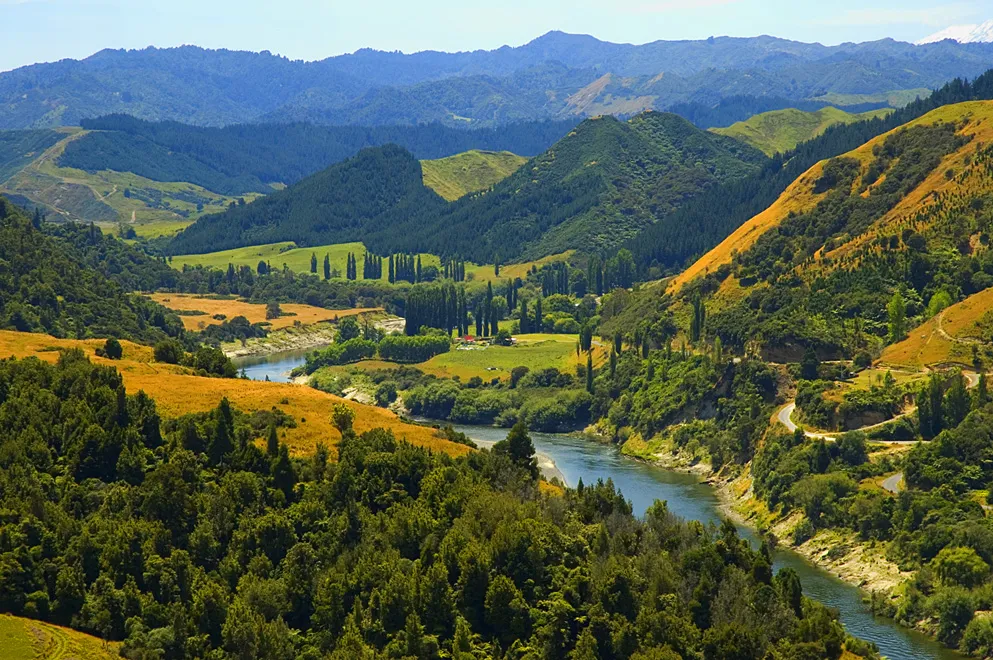
Whanganui River (New Zealand)
The recognition of the Whanganui River as a legal entity in 2017 was the culmination of a struggle lasting more than 160 years. The initiative’s promoters, the Whanganui Māori tribe, had been seeking legal recognition of the river as a living entity since the late 19th century. Chris Finlayson, the minister who led the negotiations, mentioned that when the legal status was approved, the contradiction of believing that a natural resource cannot have this status, while a company can. Susana Borràs also refers to this common argument among critical views. “These legal entities have been widely disparaged, but we don’t question the idea that a company can have rights when it isn’t even a living entity”, he reflects.
Amazon ecosystem (Colombia)
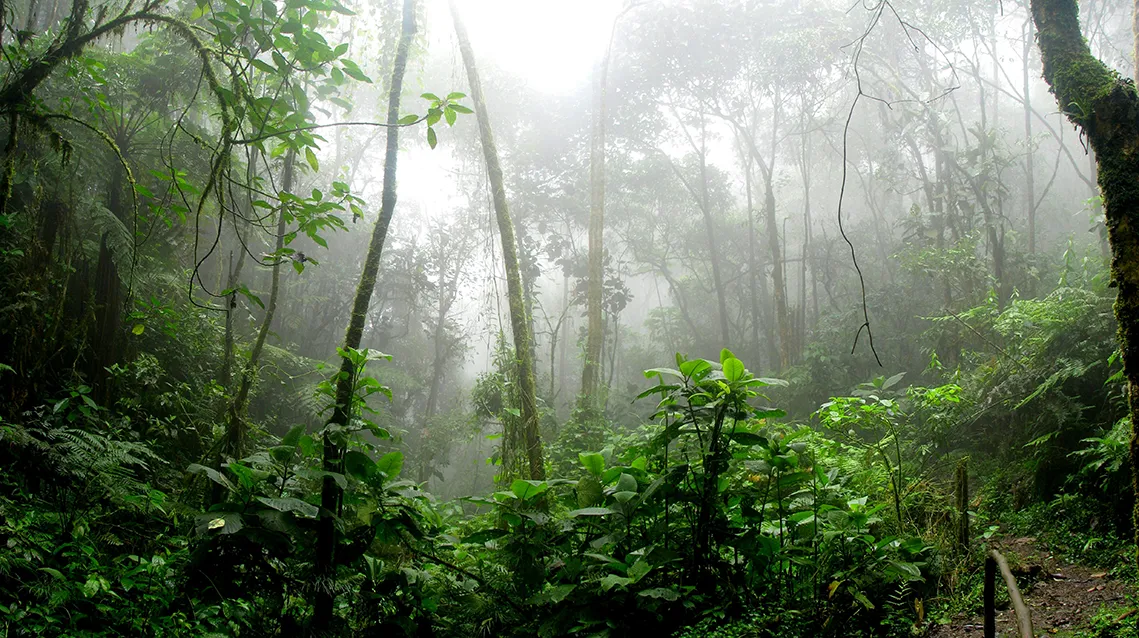
In the case of Colombia, it was not a law that recognised rights to a natural resource, but rather the courts establishing jurisprudence. In 2017, the country’s Constitutional Court, in a historic ruling, recognised the Atrato River, its basin and tributaries, as an entity subject to rights to protection, conservation, maintenance and restoration. This decision set a precedent for other cases, such as the one in 2018 involving a group of 25 young people who sued the State for failing to guarantee their rights to the environment and life. The court ruled in their favour and, in doing so, recognised Amazon as an “entity with rights”.
Will it be more common in the future for various landscapes (but also elements of fauna and flora) to be recognised as legal entities? Susana Borràs admits that it’s a complex issue, with a lot of opposition also in the legal world, but she’s optimistic. “The case of the Mar Menor is inspiring and hopeful. We need to evolve; we can’t remain stuck in nineteenth-century law,” she says. Meanwhile, encouraged by the success of the Mar Menor, other initiatives (such as the Ebro Valley) continue to work towards a nature with recognised rights and legal personality.