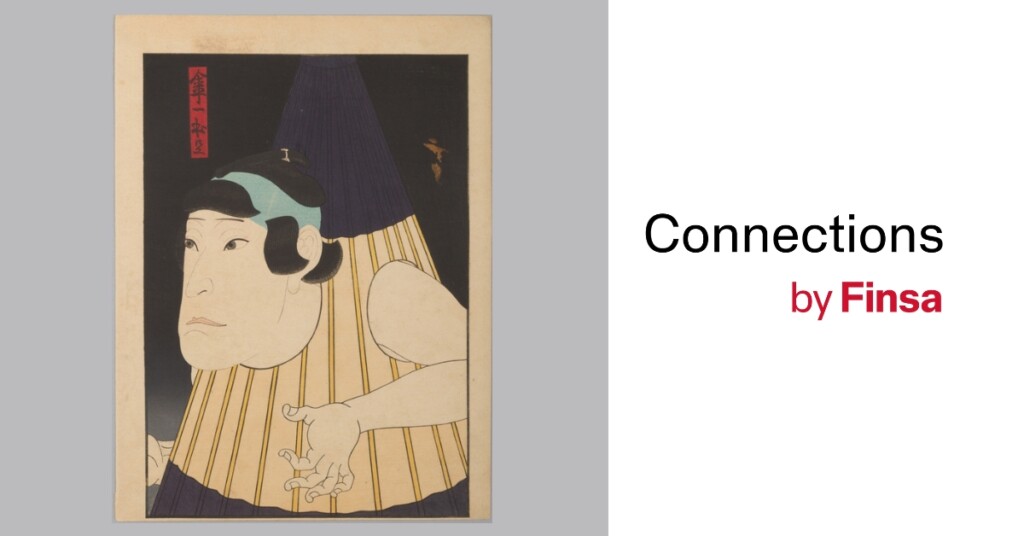
Japanese mythology tells that objects, after almost a century of life, receive a soul. Tsukumogami are those everyday objects that come to life and become yokai (spirits) of their own will. Their manifestations are very varied: umbrellas, musical instruments or kitchen utensils that walk and take on an attitude. These images, documented in texts from medieval Japanese folklore, propose a sensibility that resonates strongly today: objects as bearers of life and memory.
In contrast to the Western tendency to use and discard, the tsukumogami tradition proposes an aesthetic of care. It values visible repairs, the fact that a well-used and maintained object accumulates history. It highlights this biography to make it a bearer of ornamental and symbolic meaning. Many stories depict tsukumogami enraged because they were discarded or mistreated. They are allegories about negligence, rapid consumption, and the loss of the bond between person and thing.
Tsukumogami and interior design
Applying this sensitivity to interior design means designing with memory. Choose noble materials that age gracefully, think about their future, how they will be displayed, repaired or reinterpreted in 20 or 30 years.
This philosophy encourages the creation of spaces where repairs are visible and the history of each piece becomes part of the home’s story. Incorporating restored furniture or pieces keeps the history of this home alive, turning it into a living archive.
Tsukumogami invites you to design with the object’s biography in mind. An example would be promoting the art of kintsugi, promoting repair as part of the design, not as an accident. Instead of hiding, highlight the value of what was experienced. And this is not only an aesthetic choice, but also a commitment to sustainability.
In this regard, Finsa ‘s Fabric range stands out for its recycled materials, as well as products from other sectors, contributing a sustainability component to the final construction of the range.
Tsukumogami teaches us to live with things, not just to possess them, to recover the soul of objects to confront the logic of waste. Adopting this perspective means designing homes that are richer in memory, more sustainable, and more humane.