Hospitality is experiencing an explosion of new typologies that adapt to uses and social changes: digital nomads, family experiences… By 2025, three vectors will be consolidated: operationalising digitalisation (BIM + data + AI for better decision-making), personalising with meaning (tactile luxury and micro-segment solutions), and closing the loop (circularity and second life through design).
For architecture and interior design teams, the competitive advantage lies in orchestrating the ecosystem —chain, supplier, industry— and in choosing materials that not only dress, but also manage: time, maintenance, sustainability, and return. That will be the new standard of desirable hospitality. Let’s look at it through five trends.
An operational digitalisation
Digitalisation is no longer a mantra and is finally becoming a reality. In hospitality, the real game-changer isn’t queue-free check-in or in-room apps —which are already standard— but how they’re designed.
BIM, Revit, and collaborative platforms have become the new common language among chains, studios, manufacturers, and installers. This shared work ecosystem optimises time, minimises errors, and, above all, aligns materiality with the business: what is modelled is what is manufactured, installed, and maintained.
From searching for products to searching for solutions
As for materials, the fundamental change is in moving from the product to the application. The prescription evolves towards solutions by typology, category and budget. It’s not about “which board” or “which veneer”, but rather what combination of materials, finishes, and processes creates a five-star urban experience versus a family resort or hostel. And do so in collaboration with other agents if necessary.
A one-stop shop approach like the Habitat 360 ecosystem, with a cross-cutting portfolio that integrates wood and derivatives, HPL, edges, textured veneers, decorative papers, textiles, and leather, crystallises this holistic vision and accelerates decision-making without losing aesthetic coherence.
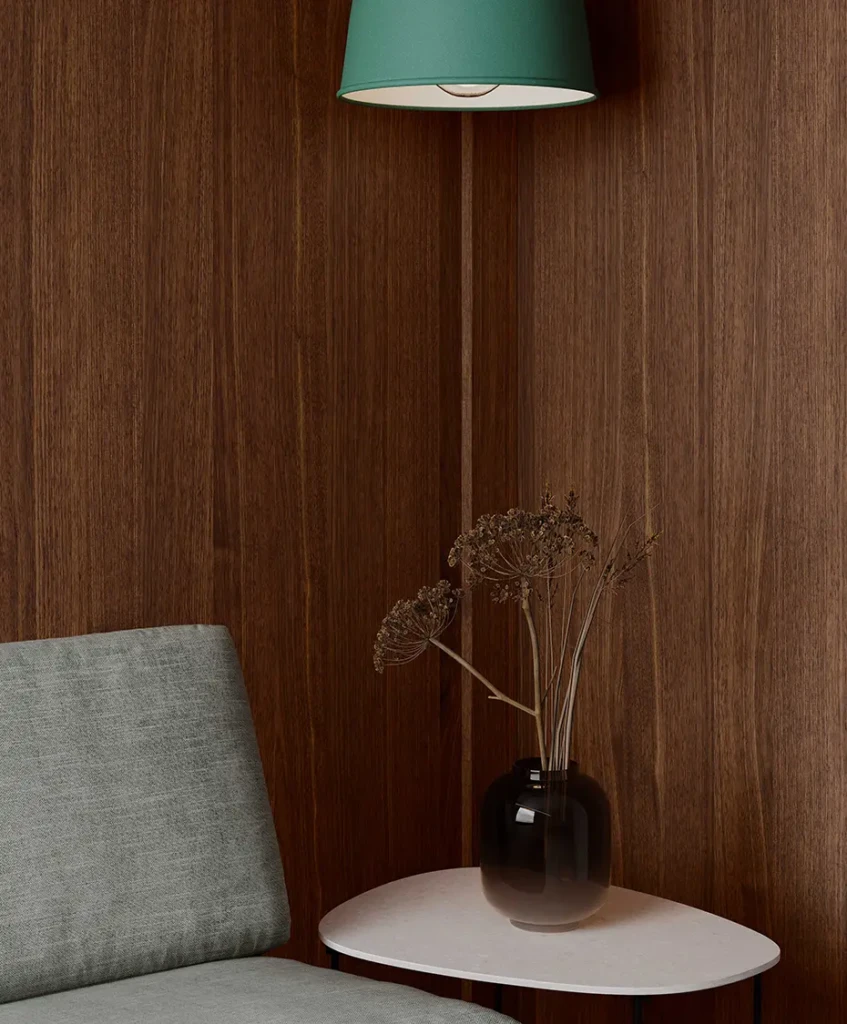
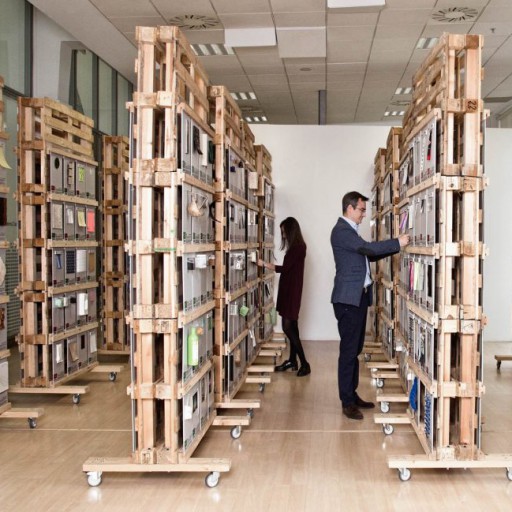
The novelty is not only in what, but in how specifiers are accompanied. Digital libraries, downloadable moodboards, reference portfolios, and segment guides allow projects to be launched with a high level of definition from the very beginning and maintained until installation. When this support is also integrated with manufacturers and distributors, the results are evident in the dashboard: fewer iterations, less waste, greater consistency.
Design as nature would
In sustainability, the discourse is also maturing. Technical data sheets and the certified origin of the wood are not enough. Here, a holistic approach is also needed, which encourages us to talk about circularity, health, and traceability: what certifications are sought (LEED, BREEAM, or WELL), and how are headboards, wardrobes, or doors designed for their second life? What percentage of recycled content is viable for each use? How is renovation waste managed?
The great challenge for the hotel sector —predominantly refurbishment versus new construction— is measuring impact and prioritising; that’s why we’ll see more partial objectives by batch (rooms, F&B, lobby) and material passports that accompany the asset throughout its lifecycle.
Hospitality as hyper-personalised luxury
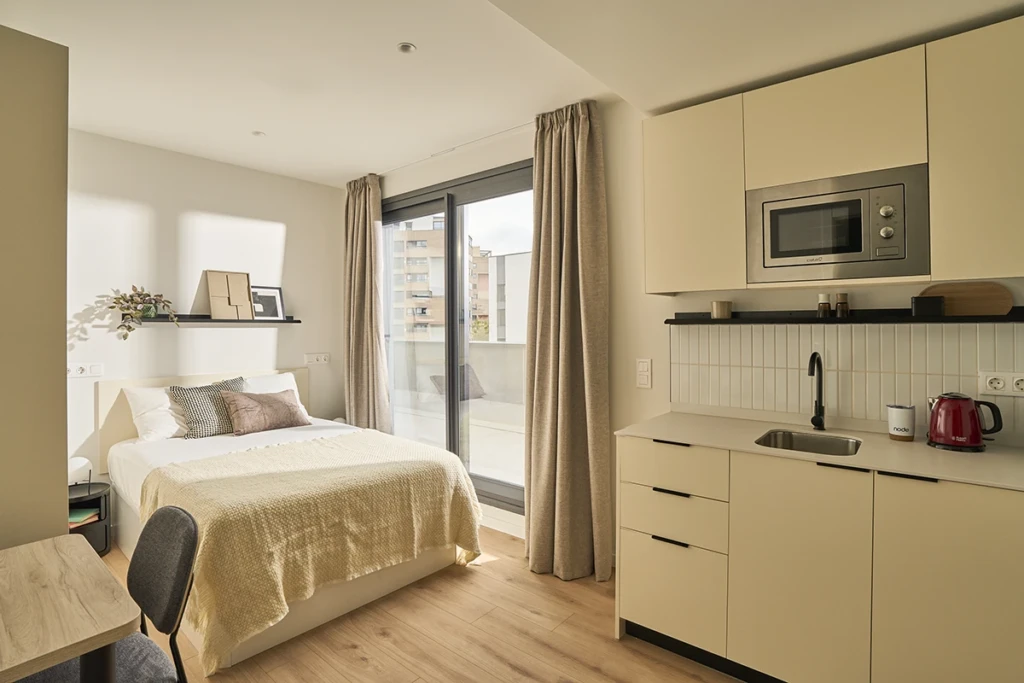
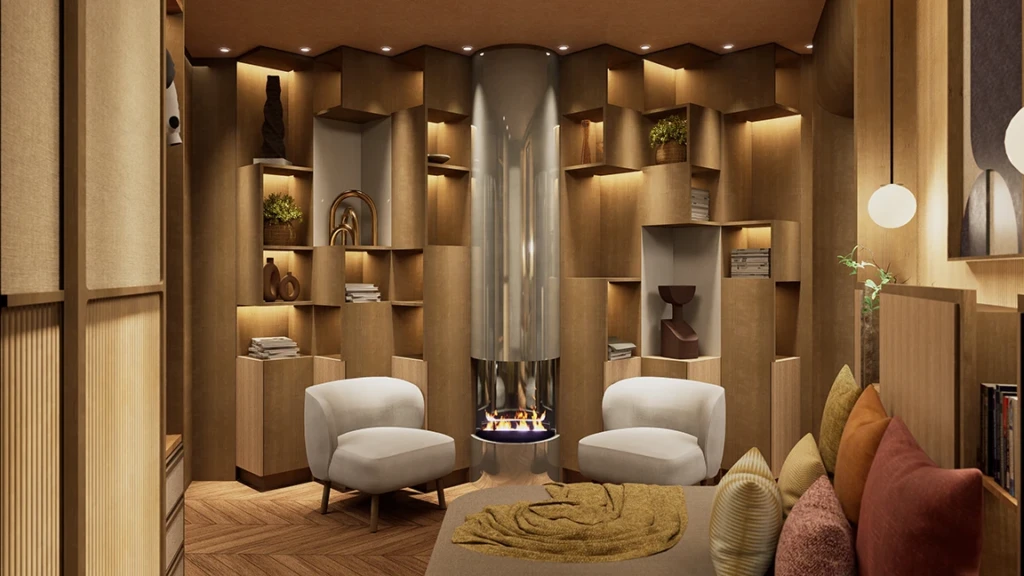
Hyperpersonalisation will be the keyword of 2025. From glamping with a hot tub to small-scale campsites, from family-friendly aparthotels to urban “adults-only” accommodations, the offerings are becoming more fragmented and the level of detail is increasing. This approach requires specific materials (durability, maintenance, acoustics, feel) and catalogues capable of moving easily between the premium and the durable, between the evergreen and the ephemeral.
At the same time, luxury is gaining ground as an attitude rather than a label: tactile qualities, deep textures, ready-to-use finishes that reduce lead times, and industrialised marquetry that allows for graphics, patterns, and brand identity without unaffordable artisanal costs.
Changes in uses in hospitality
The last silent lever that goes hand in hand with hyperpersonalisation: the change of use. The conversion of offices into hotels, hotels into coliving spaces, and residential buildings into entire tourist buildings is intensifying. Here, digitalisation is once again key —precise measurements, technical compatibility, flow simulation— and the materials strategy makes the difference: removable solutions, high-turnover finishes for impact areas, and aesthetic families that facilitate replacements without leaving “patches”.