
From the forest to the living room, the journey of a piece of furniture is much more than a production line: it is a story of responsibility, innovation, and commitment to the environment. In a context where traceability and sustainability are increasingly valued by architecture professionals, interior designers, and developers, certifications play a crucial role in ensuring the quality and environmental impact of each piece that reaches the home.
Responsibly managed forests: the first step
It all starts at the origin of the raw material. The FSC® (Forest Stewardship Council) and PEFC (Programme for the Endorsement of Forest Certification) certifications and the ISO 38200 standard have become international reference standards. They guarantee that the wood comes from responsibly managed forests, following criteria that include biodiversity, the well-being of local communities, traceability, and legality in logging. Furthermore, initiatives like Pine de Galicia guarantee the zero kilometre mark and the cultural and social sustainability of these local communities.
To strengthen the traceability and legality of the supply chain of forest products traded in Europe, regulations such as the EUTR (EU Wood Regulation) and its update, the EUDR (EU Deforestation Regulation) are being introduced.
Using materials certified at source is not only an environmental and legal guarantee but also a tool for reinforcing the project’s value for increasingly demanding clients.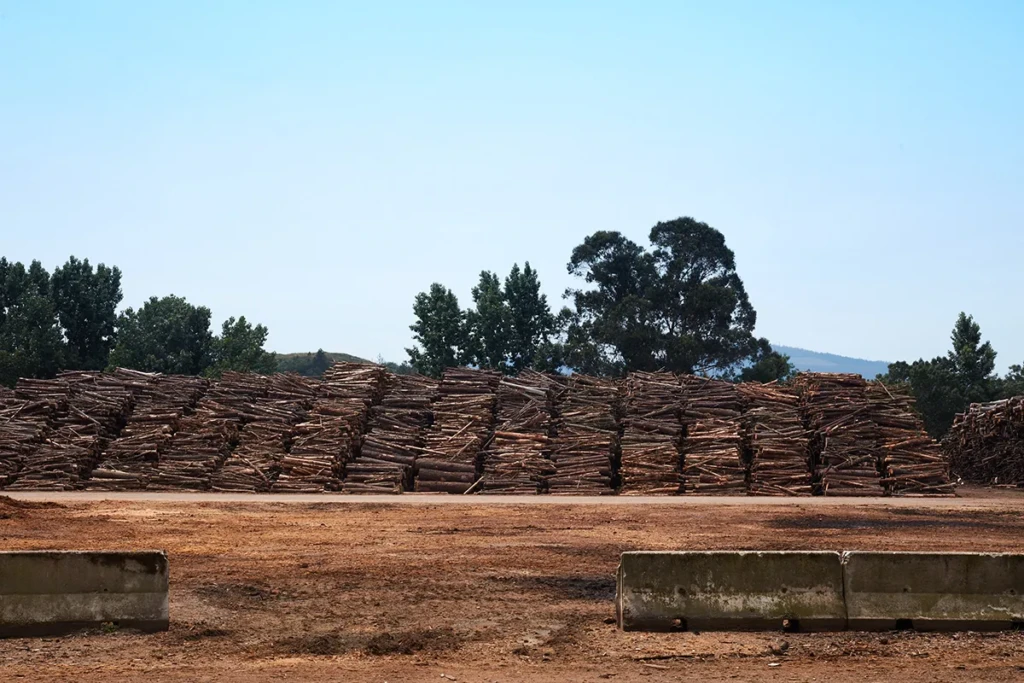
Industrial processes under control: efficiency and low impact
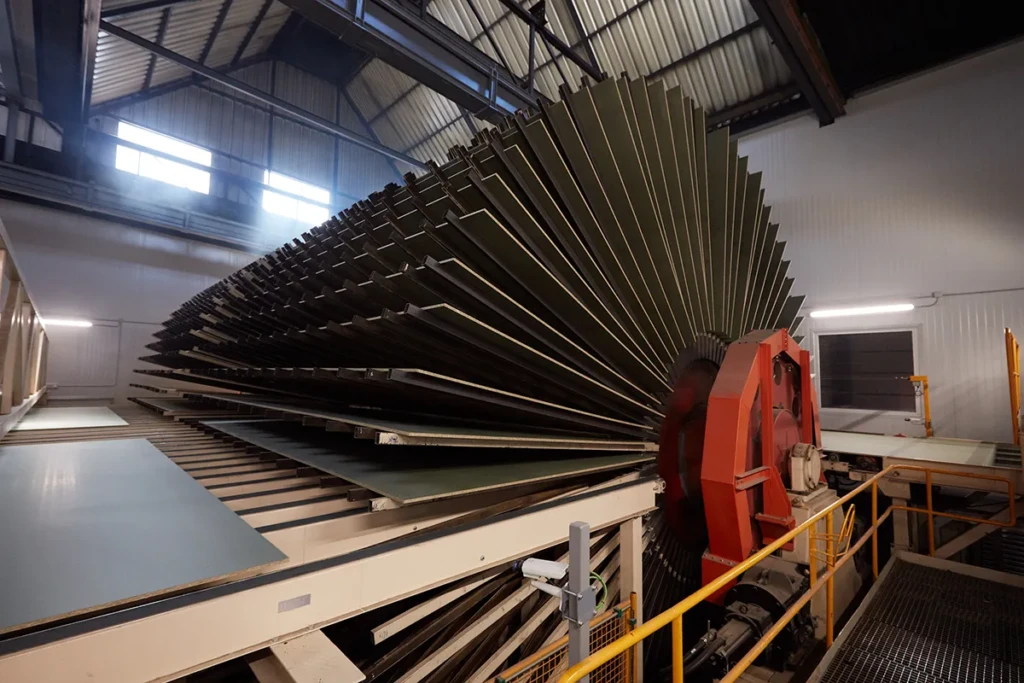
Once extracted, the wood begins its transformation in production centres. This is where certifications such as ISO 14001, which focuses on environmental management, and ISO 50001, which promotes efficient energy management, come into play. These seals ensure that every stage of the process—from drying and pressing to finishing—is carried out with minimal waste, energy consumption, and carbon emissions.
Durability and resistance: beyond aesthetics
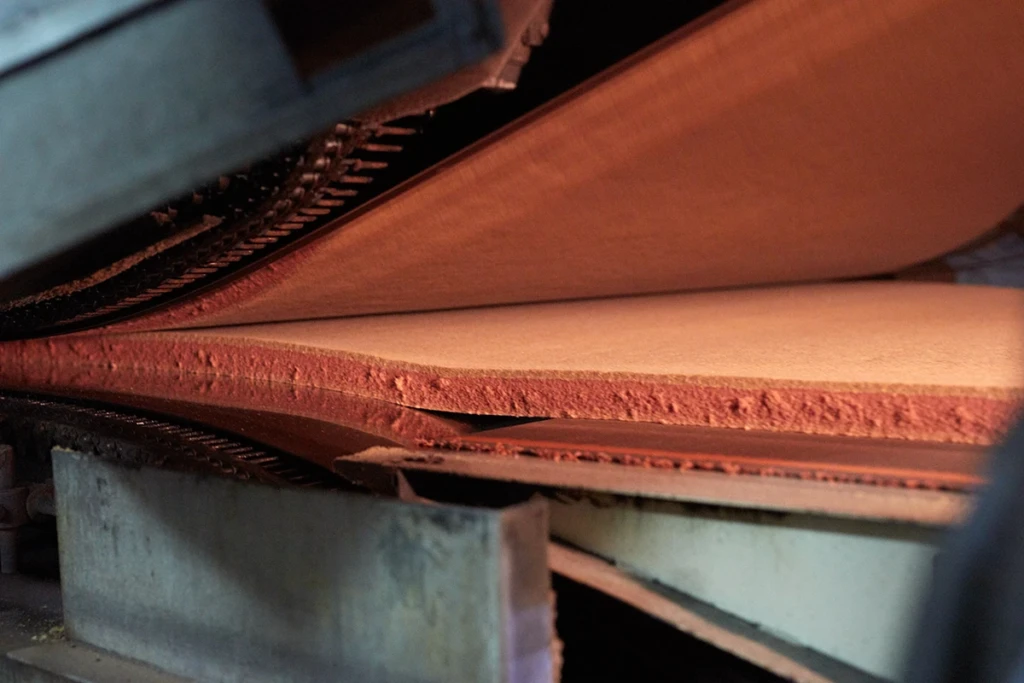
The quality of materials is not only measured by their appearance, but by their ability to withstand the passage of time. Some certifications, such as Tecnalia Certified, based on European standards such as UNE-CEN/TS 15679, analyse the performance of products subjected to treatments that improve their durability and dimensional stability, especially in solutions for outdoors or demanding environments.
This type of guarantee allows manufacturers to trust the longevity of the materials, reducing maintenance and improving the lifespan of the facilities.
Circular economy in products: regenerative design as the new norm
The concept of a circular economy has gone from being a future aspiration to a present requirement. Certifications such as Cradle to Cradle Certified™ or labels such as EPD They evaluate aspects ranging from the safe composition of materials to their reusability, the use of clean energy, and social responsibility in the supply chain.
This comprehensive approach allows for closing the product cycle, promoting more regenerative solutions and reducing the ecological footprint of each project.