
Sustainability is also a rural concept. In the face of mass tourism, more and more people are turning to a different model: that of villages that protect their landscape, culture, and community. Since 2021, the UN’s Best Tourism Villages program has recognised destinations that achieve this balance with fewer than 15,000 inhabitants.
In this edition, two new Spanish towns join a growing list of examples of the future: Aínsa (Huesca) and Mura (Barcelona). What can we learn from them? We present a selection of Spanish towns that participated in this program, highlighting their efforts in sustainability and cultural preservation.
Sustainable villages awarded Best Tourism Villages 2024
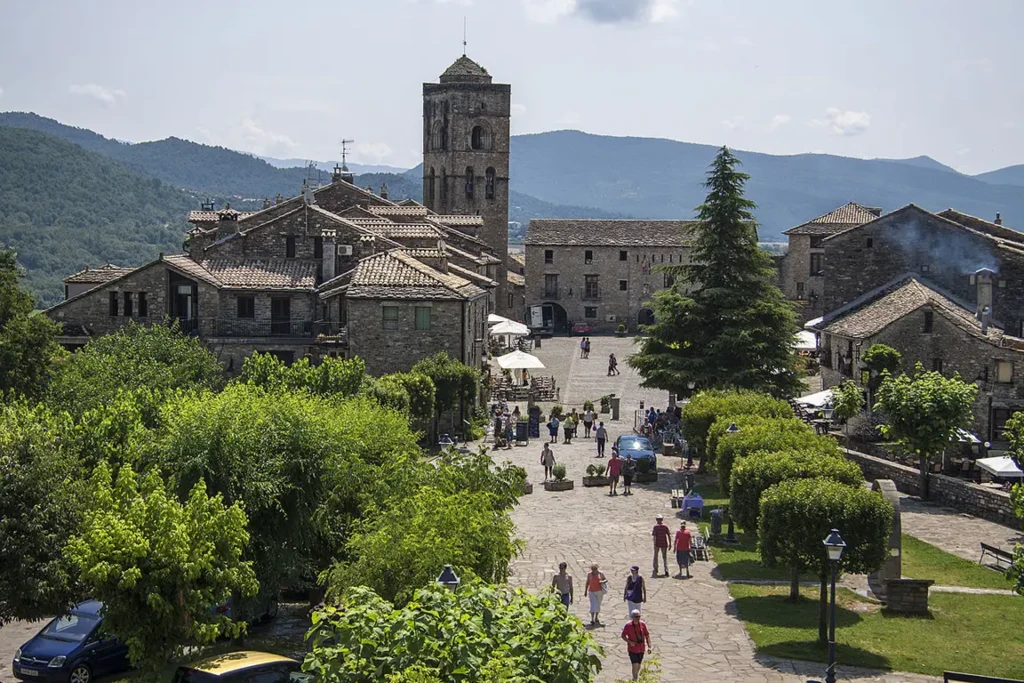
Aínsa (Huesca)
Located in the Aragonese Pyrenees, Aínsa stands out for its well-preserved medieval historic centre and its integration into the Sobrarbe-Pyrenees UNESCO Global Geopark. Its commitment to sustainable tourism and the preservation of cultural heritage has earned it the UN Tourism award.
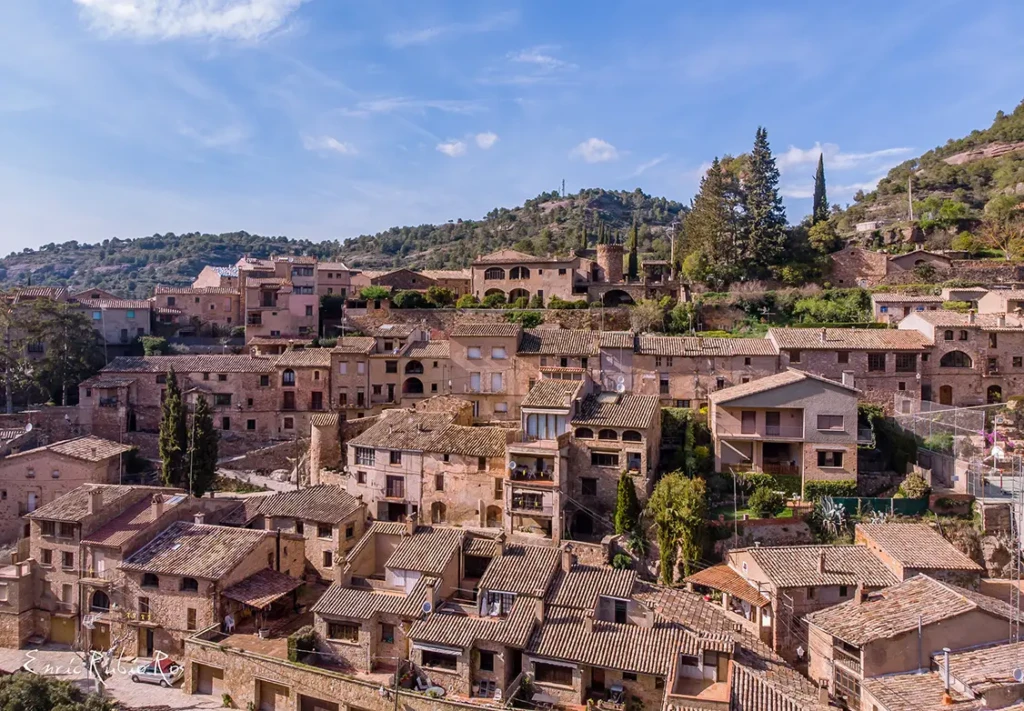
Mura (Barcelona)
This picturesque Catalan village, located in the Sant Llorenç del Munt i l’Obac Natural Park, is valued for its traditional architecture and focus on environmental and cultural sustainability.
Sustainable villages awarded in previous editions
- Morella (Castellón) and Lekunberri (Navarra): Selected in 2021 for their historical heritage and commitment to sustainable rural tourism.
- Alquézar (Huesca) and Rupit (Barcelona): Awarded in 2022, they stand out for their traditional architecture and the promotion of environmentally friendly tourism activities.
- Cantavieja (Teruel), Sigüenza (Guadalajara), and Oñati (Guipúzcoa): Included in the 2023 list, these villages have been recognised for their cultural richness and efforts to maintain sustainability.
Sustainable villages in the UN Tourism Upgrade program
The UN Tourism Upgrade Programme is directed to those destinations that, although do not yet meet all the requirements of the Best Tourism Villages seal, demonstrate strong potential and commitment to sustainability. These villages receive technical support and advice to continue evolving toward an exemplary tourism model.
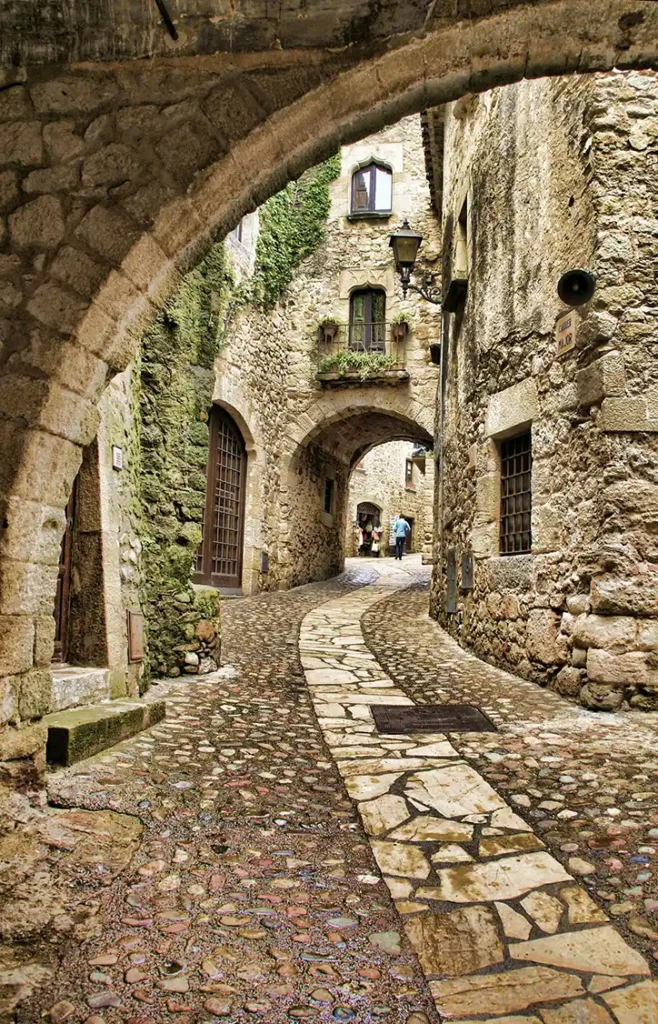
Pals (Girona)
Located in the Baix Empordà region, Pals is one of the best-preserved medieval towns in Catalonia. Its walled old town, cobbled streets, and views of the Mediterranean Sea have made it an iconic destination on the Costa Brava. Although tourism is one of its main sources of income, the municipality has taken steps to mitigate its impact, such as promoting the low season, protecting the agricultural environment, and integrating natural heritage into its offerings. Its inclusion in the Upgrade Program reinforces its strategy of balancing tourist appeal and territorial conservation.
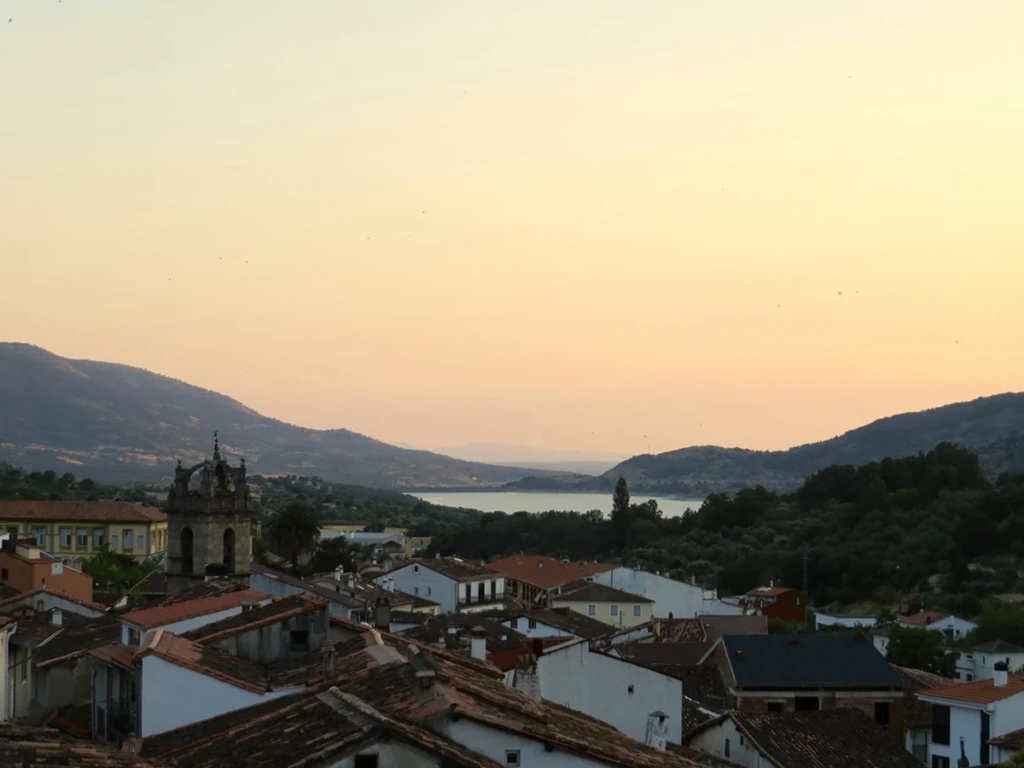
Baños de Montemayor (Cáceres)
Known for its thermal waters, already used by the Romans, Baños de Montemayor has successfully transformed its heritage into a driving force for sustainable development. Located in northern Extremadura, right on the Vía de la Plata, its tourism model is based on wellness, history, and the natural environment. In recent years, it has promoted accessible tourism initiatives, heritage routes, and collaboration with local producers. Its inclusion in the Upgrade Program in 2023 positions it as an example of how a small town can evolve toward regenerative tourism without losing its essence.
These events reflect the commitment of various Spanish cities to a tourism model that values and preserves cultural, natural, and social heritage, promoting sustainable and balanced development.